
Visitors encouraged to take the 'slow road' around Scotland

New maps have been drawn up by Historic Environment Scotland to promote enjoyment of lesser-visited destinations
Visitors are being encouraged to visit lesser-known locations of Scotland and take the “slow road” around the country this summer.
Historic Environment Scotland is urging tourists to seek out routes away from the most popular sites and enjoy more time exploring a broader mix of destinations.
Three three maps have been produced, each which take around four days to complete.
Destinations on the lowlands map includes Dumfries, Biggar, Peebles, Melrose, Galashiels and Tweedbank.
Meanwhile, the coastal map covers St Andrews, Arbroath, Fraserburgh, Banff, Huntly and Elgin and HES’ islands map covers the Isles of Lewis and Harris.
The routes take in some well-known and lesser-known historic sites, offer public transport tips and seek to encourage visitors to spend more time in the communities they visit.


The campaign comes amid well-documented pressures on popular destinations, including those on the North Coast 500 driving route and several historic sites, such as the Ring of Brodgar in Orkney, which has suffered given a surge in visitors driven by the cruise ship market.
Scots TV presenter Jean Johansson, who stars on A Place in the Sun, is heading the ‘Take the Slow Road’ campaign for HES.
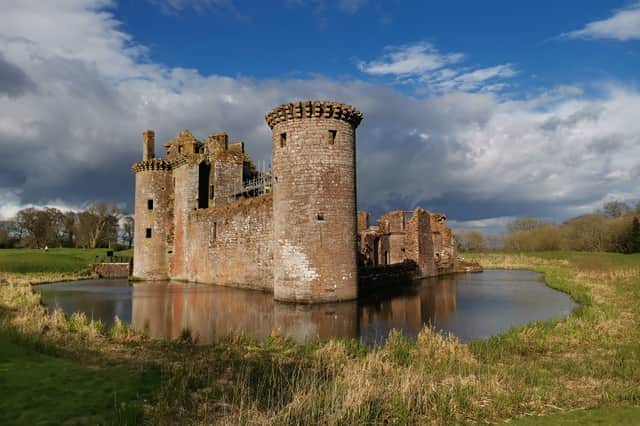
She said: “Some of my favourite trips in Scotland have been the ones where I’ve taken my time, explored somewhere new and properly soaked up the atmosphere. I joined Historic Environment Scotland on its Lowland route – exploring Caerlaverock Castle, guided by locals who helped bring the history to life.
“By taking our time at these incredible sites, we can create trips that are more fulfilling and have a real benefit for local communities.
“These new routes are perfect for building a trip that feels relaxed, rewarding and shine a light on brilliant places and people you might otherwise bypass. Forget the high road, this is your chance to ‘Take the Slow Road’.”
.

Make sure you keep up to date with news from across Scotland by signing up to our free newsletter here.
Angela Giancola, Responsible Tourism Coordinator at Historic Environment Scotland, said: “Scotland’s historic places belong to all of us, and they face real pressures from the impact of a changing climate, increased visitor footfall, and the passage of time.
“Responsible tourism is about recognising the impact we can have on our shared heritage and choosing to make that impact a positive one.“By taking the slow road - travelling thoughtfully and spending more time in local communities - visitors can help protect the heritage, and support the people and places, that make Scotland so special.”

In 2024, there was a total of 92 million tourism visits to Scotland, including domestic and international overnight trips and day visits.
International visitors made 4.4 million trips to Scotland with 30.7 million nights and £4 billion spent overall.


As Scotland continues to draw large volumes of visitor numbers, work has been carried out at several sites to protect them from increased footfall.
Urquhart Castle on the banks of Loch Ness is now attracting some 400,000 visitors a year, with the infrastructure around the medieval pile now requiring reinforcement.
On the Isle of Lewis, those running bus tours have been asked to consider removing Calanais Standing Stones, where ongoing erosion has been recorded, from their routes until spring 2026.
Comments
Want to join the conversation? Please or to comment on this article.