
Wildfires Scotland: Is it time to ban disposable barbecues after biggest-ever Highlands wildfire?
The Scottish Fire and Rescue Service says it has had to deal with countless devastating wildfires in Scotland this year.

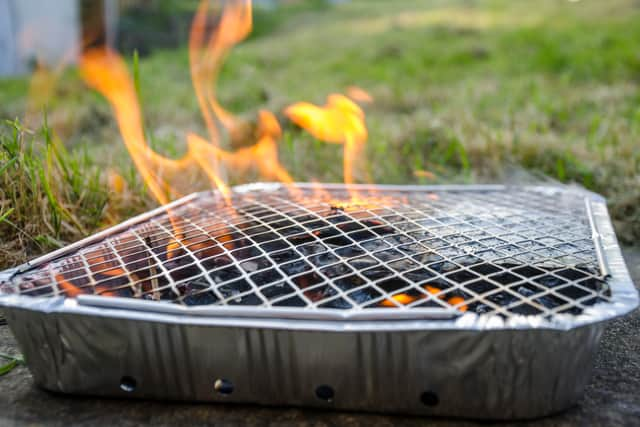
As Scotland experiences more and more devastating wildfires, there are growing calls to ban the use of disposable barbecues across the country.
There have been more than 170 wildfires in Scotland this year alone - the highest number in six years. Most of these incidents happened between March and May.
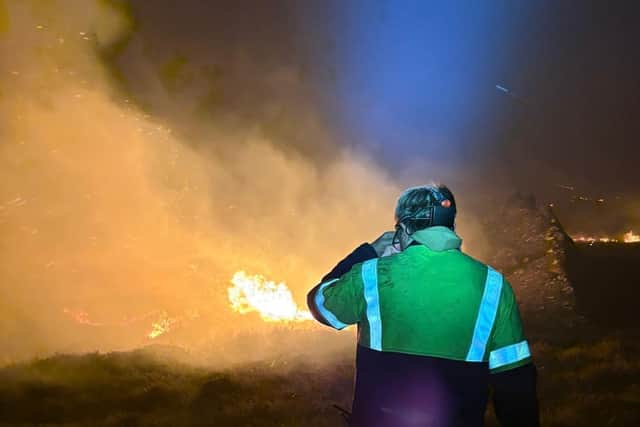
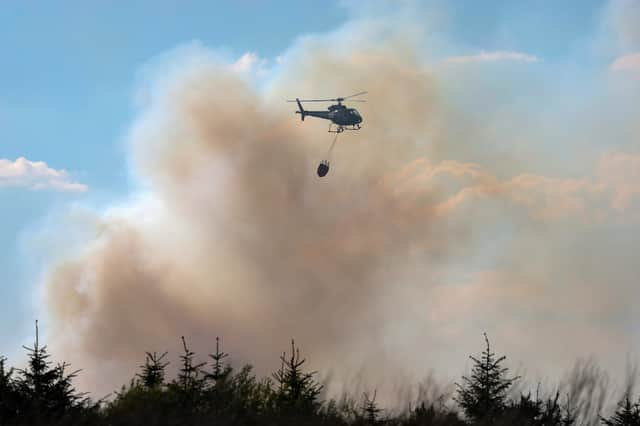
Scottish Land & Estates claims the Carrbridge and Dava wildfires on Highland moors were the biggest Scotland had ever seen. The fires that broke out in late June and early last month covered almost 30,000 acres, an area 30 times bigger than Strathclyde Park.
The Scottish Fire and Rescue Service (SFRS) classifies a wildfire as a large, uncontrolled outdoor fire exceeding 1,000sqm of burned area. Often these fires are unplanned and happen in areas with large amounts of combustible vegetation, meaning they can spread rapidly.
Human activity is often to blame for these wildfires. The recent wildfires in Scotland have been started by everything from barbecues and campfires to glass bottles magnifying sunlight on dry vegetation.
So is it time to ban disposable barbecues altogether?

Climate scientist Paul White, 40, has been campaigning on wildfire awareness in the Cairngorms for the past two years. He said no one in the area had been surprised by the recent spate of wildfires.
Speaking to The Scotsman, he said: “There is a lot of frustration here - there have been 14 major wildfires this year alone, which is a record. Everyone saw the writing on the wall because this issue has been building and building with climate change.
“A disposable barbecue started a wildfire in Glen Finglas in the Trossachs recently, so it is a no brainer to put a ban in place.”
The Glen Finglas wildfire happened in May and covered two hectares, roughly the size of two rugby pitches. The Woodland Trust Scotland said nesting birds and other wildlife in the national park had been killed.
A disposable grill was found with a charred burger still on it after the blaze was brought under control. Even if a disposable barbecue is removed from the area, Mr White, who lives in Aviemore, said a wildfire could still start hours later.
He said: “This is a huge issue. When you put it on heather or peaty soil, it can burn underground. Someone could walk away and take the disposable barbecue with them and then a fire ignites an hour or two after they have left.
“If you put the disposable barbecue on a beach, then the sand will capture that heat and stay hot for five or six hours after. So there have been numerous occasions where small kids or dogs have walked on that and been burned.
“Once a wildfire starts there is no stopping it and people don’t understand that a wildfire can get away from you so quickly. It is like a match to petrol, and within seconds it is out of control.
“They [disposable barbecues] are nightmares across the board because people very rarely use them correctly and you can’t dispose of them properly because they can’t be recycled. They will sit in landfill for 1,000 years.”
Mr White has now submitted a petition to the Scottish Parliament calling on Government ministers to ban the sale of disposable barbecues in a bid to cut down on wildfires. The petition has already been backed by almost 2,000 people.
He said: “The majority of these wildfires are likely started by campfires, but disposable barbecues come a close second. It can be hard for the fire service to actually find the cause because the people who start the fire don’t hang around once they know they’ve screwed up.
“We’ve had a lot of near misses here in the Cairngorms with disposable barbecues, but thankfully the park rangers and local fire service have been on top of that.
“I am always wary about banning anything. But here I think the rise they pose to wildfires and the fact they are difficult to dispose of, making them not environmentally-friendly to use, is too great.”
In the past couple of years, the SFRS has invested £1.6 million into a three-year wildfire strategy. This has involved buying all-terrain vehicles, trailers, specialist equipment and protective personal equipment (PPE). Since 2023, 14 wildfire tactical advisers have been hired by the service.
Area Commander Michael Humphreys, the service’s wildfire lead, said: “We know that most wildfires in Scotland are started by people and often by accident. That’s why we always urge caution when outdoors, especially during dry spells when the risk of wildfire is highest.
“That includes never using naked flames or disposable barbecues in the countryside during these conditions.”

The Scottish Government said it was aware of Mr White’s parliamentary petition. The petition will be discussed by MSPs after they return to Holyrood from the summer recess.
Community Safety Minister Siobhian Brown said: “The Scottish Fire and Rescue Service is fully prepared to respond to wildfires and I am grateful to them and other first responders for their outstanding efforts to keep people and property safe.
“We continue to support the service with substantial year-on-year budget increases that enable it to deliver the high standard of services required to keep communities safe. This year’s budget includes £412.2 million for the service - an increase of £18.8m.
“The Scottish Government continues to work with the Scottish Fire and Rescue Service to support implementation of its three-year wildfire strategy, which will see the continued roll-out this year of new equipment, vehicles and PPE.”
Comments
Want to join the conversation? Please or to comment on this article.