
Why is Westminster debating party donations after Reform UK receives £72m?

We take a look at why there is a debate on party donations after Reform UK received a record-breaking £72 million over the weekend
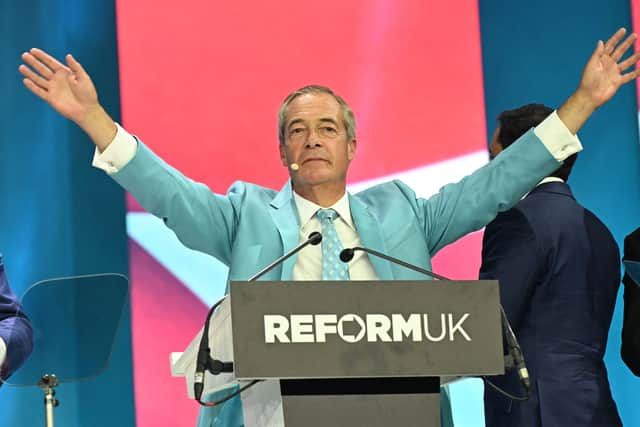
On Monday, the House of Lords is due to debate changing the law on donations to political parties. This comes only days after Reform UK received £72 million in donations from British expats - the largest donations to a political party in UK history.
Reform’s deputy leader Richard Tice said the government is trying to “retrospectively change the rules”. UK Housing Secretary Angela Rayner said serious questions need to be asked about “who is funding politics”.
So what exactly is going on here?
Reform UK’s donations
Over the weekend, Reform UK received £72m in donations. Before this, the biggest single donation to a UK political party was £10m, given to the Conservatives by Lord John Sainsbury in 2023.
Christopher Harborne, who is British but lives in Thailand, and Ben Delo, who is also British but lives in Hong Kong, each donated £36m to Reform UK.
Both men are crypto billionaires and have both previously donated millions to Nigel Farage’s party.

What are the Lords debating?
The government had already been looking at changing the law on donations to political parties from British expats, including proposals for a £100,000 cap backdated to March 25.
This is the UK Representation of the People Bill, which was first heard in parliament back in February. Monday’s debate in the Lords is a continuation of the debate on this bill rather than a reaction to the Reform donations over the weekend.
There is currently no limit on how much a person can donate, but all donations over £11,180 must be reported.
The debate will not see peers voting, as this is the bill’s second reading. However, peers can debate the bill’s key principles and raise any concerns or changes they want to see.
After this stage the bill heads to committee stage where amendments can be made.
Will Reform UK have to give the £72m back?
It is understood the law going through parliament would require donors to be registered in the UK by March 25, 2026.
Given both Mr Delo and Mr Harborne are British citizens, Reform UK says it is confident they would be allowed to keep their donations.
What has been the reaction?
Mr Tice told BBC Breakfast the UK government is trying to protect itself from “a bit of competition”.
He said it would show how “terrified” the government was of his party “if they completely change the way that we understand things are done in the UK and that they retrospectively introduce legislation in order to significantly disadvantage another political party that’s merely trying to get on a level playing field”.
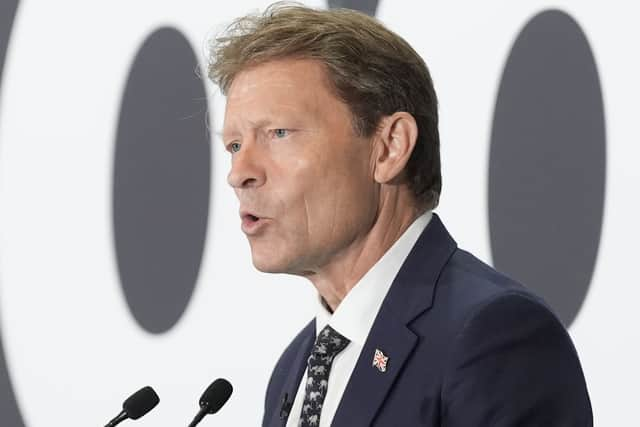
Mr Tice added: “[The government is] trying to literally change the rules to suit their own narrative any day of the week at the drop of a hat and that’s not the fair way, it’s not the British way.”
However other parties have heavily criticised the donations made over the weekend to Reform UK.
Shadow Foreign Secretary Tom Tugendhat said it was important to ensure “we do not end up with a sort of Americanisation of politics where money just sort of runs free”.
Lisa Smart, the Lib Dems’ Cabinet Office spokeswoman, said: “This is a real emergency for our democracy. It presents a very clear and present threat.”
What about the ongoing investigation into Reform donations?
The two donations over the weekend come just days after the Met Police launched a criminal investigation into Reform UK’s donations.
The Met Police’s special inquiry team is looking into allegations the party broke foreign funding laws after Channel 4 News broadcast footage of two senior Reform aides suggesting a way around electoral law to secure foreign donations of £500,000.
An undercover investigator posed as the son of a wealthy American donor and told the aides he was worried his father could not donate directly to the party. The aides appeared to suggest the donations could be made in the UK-based son’s name, despite coming from his American father.
Under election law, you must be a UK registered voter or a company registered in the UK to make a donation to a UK political party.
The Met Police said it had received “a number of reports relating to donations and polling involving a political party”, and said this investigation had been added to their ongoing inquiry into party donations.
Comments
Want to join the conversation? Please or to comment on this article.