
What the Spending Review means for Scotland and the projects being funded

How the spending plans announced by Rachel Reeves will impact Scotland
It is a raft of announcements that promises to deliver £52 billion for Scotland by the end of 2029. Alongside funding tranches for Wales and Northern Ireland, chancellor Rachel Reeves said her plans announced in Wednesday’s spending review amounted to “the largest settlements in real terms since devolution was introduced.” But what exactly did she announce, and where is the money going?
Acorn
Despite numerous promises made by the Conservatives, and then Labour, the carbon capture scheme at St Fergus in Aberdeenshire - which would take greenhouse gas emissions from the nation’s biggest polluters and store them in depleted gas reservoirs under the North Sea - has languished on the backburner.
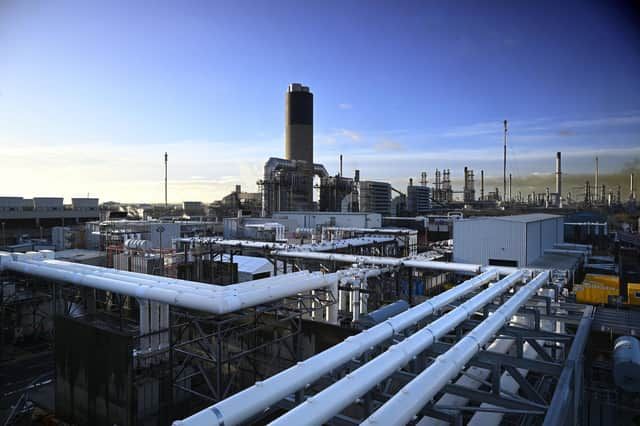

The ambitious project suffered a major blow four years ago when it was overlooked for support in favour of two carbon capture and storage initiatives in the north of England. With Acorn instead relegated to a reserve list for funding, the pressure on successive administrations at Westminster to right that wrong has been consistent ever since.
Earlier this year, business leaders including Sir Ian Wood warned that Labour’s failure to act threatened billions of pounds of investment and thousands of jobs. Such overtures have clearly been listened to by Ms Reeves and the Treasury.
However, Ms Reeves did not specify exact levels of funding for the north east project. A final investment decision on the Acorn project will be taken later this parliamentary term, subject to "project readiness and affordability," according to the Treasury.
Faslane
As the home of the UK’s nuclear deterrent, HM Naval Base Clyde is one of the most integral components of the nation’s defence infrastructure, but there have been growing calls for more investment in the site, especially as the first of the new Dreadnought class ballistic missile submarines prepare to enter service.
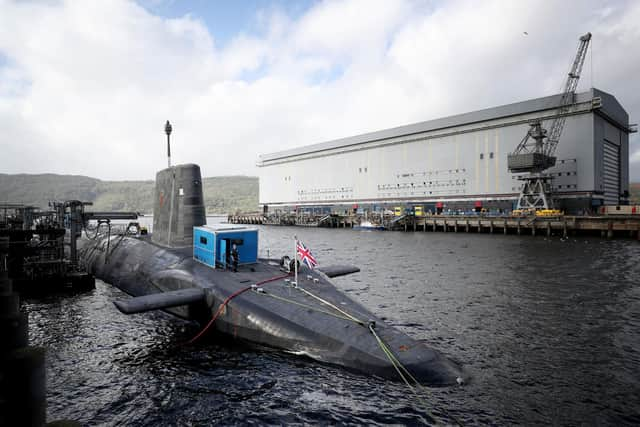
At a time of ongoing global unrest, Labour has responded, delivering a funding package of an initial £250m over the next three years as part of an initiative known as Clyde 2070. The decision forms part of a wider shift to increase the total defence budget. Ms Reeves described it as part of plans for “investment in Scotland” and “jobs in Scotland,” adding that the uplift was opposed by the SNP.
The tranche of funding - part of a much broader increase in defence funding that Ms Reeves said will also benefit Scottish manufacturers - will go towards supporting jobs, skills and growth at the site near Helensburgh, and across the west of Scotland. More than 6,500 civilians and service personnel are currently employed on the facility.
Supercomputer
When the exascale computer was first announced in 2023, the promise of its potential made clear Scotland and the UK would have a device fit to rival anything being used in the US or China, with the technology capable of performing a quintillion - or one billion billion - calculations every second, allowing the UK to keep pace with rapid advances in artificial intelligence.
But there was uproar last summer after Labour shelved financing for the project, describing it as one of a number of unfunded spending commitments it had inherited from the Tories. That decision was roundly criticised by MSPs, business leaders, and academics.
So the decision to finally back the supercomputer initiative to the tune of £750m - confirmed on Monday ahead of the spending review - will be a significant feather in the cap of Scotland’s tech industry, and a major boost in particular for the University of Edinburgh, which has already built a £31m building to house the machine. Its principal, Professor Sir Peter Mathieson, said the backing would create “vast opportunities” for research and innovation.
Asylum hotels
It was not a prominent part of her speech, but Ms Reeves told the Commons that as part of the UK government’s efforts in "tackling the asylum backlog", it plans to use funding to end what she described as “the costly use of hotels to house asylum seekers” during this parliamentary term. -
Labour had already pledged to end the practice in its General Election manifesto, but the confirmation will be undoubtedly welcomed by refugee charities who have long expressed concern about the impact of using such contingency accommodation.
Growth Mission Fund
Ms Reeves said the UK government's new Growth Mission Fund, an initiative designed to focus on local projects by way of driving economic growth, will target at least one area in Scotland, with investment scheduled for Kirkcaldy’s seafront and High Street. The extent of the funding is unclear, but it will no doubt be welcomed by civil leaders in the Fife town.
Barnett consequentials
Last, but by no means least, the uplift in funding for key UK government departments announced by Ms Reeves will have a knock-on effect for the SNP administration in Edinburgh. The largest element of Scottish Government funding remains the Barnett based block grant, and changes in that allocation are linked to changes in planned spending by UK Government departments

In other words, areas where the Treasury has approved a funding boost, such as transport and housing, will ensure Scottish ministers receive a proportionate share of the increase, but it will be up to them to allocate the extra money as they see fit. With total departmental spend in the UK growing by 2.3 per cent in real terms per year, that sum will be small though not insignificant. After the dust has settled, all eyes will be on Holyrood's finance secretary, Shona Robison, to see what the Scottish Government plans to do.
Comments
Want to join the conversation? Please or to comment on this article.