
'Grossly unfair' paternity policies mean frontline officers are paid less than back office staff
Campaigners say officers are being forced back to work too early after having a baby because of the policy.

Campaigners say Police Scotland needs to overhaul its “grossly unfair” paternity leave policies which have meant frontline officers being paid less than civilian staff.
Dozens of MPs and MSPs have now written to the force urging them to change their paternity policies. Home Secretary Yvette Cooper is being told to intervene on the matter.
Research from The Dad Shift has found frontline officers and civilian staff are entitled to full pay in their first week of paternity leave.
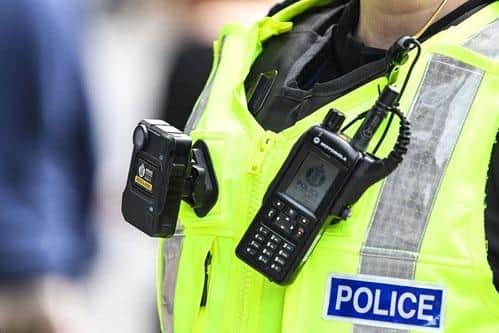

However, in the second week, frontline officers are only given the statutory rate of £184.03 - just 32 per cent of the starting salary for an officer at Police Scotland.
On the other hand, civilian staff such as call handlers and those working in IT or admin are entitled to half of their salary on top of the statutory rate.
The campaigners say this means 70 per cent of frontline officers in Scotland are returning to work just one week after the birth of their child.
Craig, who is a serving police officer in Scotland, said he was driving blue lights the day he got back to work despite “having had no sleep” and having to “make high-pressure decisions in violent situations” while carrying a taser.
He said: “I met up with a bunch of friends as we were all about to have kids. Most of them were getting enhanced pat leave, up to six months for the ones working in finance.
“The only two who weren’t were me, the police officer, and an NHS surgeon - the two people expected to do sometimes life-or-death work while sleep-deprived and still adjusting to the pressures of being a dad.”
The Dad Shift group said this situation was leading to many officers leaving the force early, as 63 per cent of officers who were resigning claimed family impact was a major cause.
Alex Lloyd Hunter, co-founder of The Dad Shift, said: “Police officers put themselves in harm’s way to protect the rest of us, but when they need to be there to look after their own families, the force lets them down.
“Police Scotland back office staff do vital work, but how is it fair that their paternity leave is three times better than frontline officers who risk their safety every day? If you want to talk about ‘two tier’ policing, this is it.
“Two tiers of support - both nowhere near enough, but one scandalously so for dads and other parents that the country asks a lot of. Police Scotland needs to sort out this grossly unfair policy immediately, then urgently bring in longer, better paid leave for both officers and staff.
“Two weeks is nowhere near enough, especially if one of those is paid at less than half the minimum wage. It’s not just us who are worried about this - nearly 30 MPs and MSPs have now signed our letter calling on Police Scotland to undertake an immediate review of their policy.
“Every parent deserves a decent amount of properly paid time to support their families when a baby arrives, and police officers are no different.”
George Gabriel, co-founder of The Dad Shift, added: “There’s a saying in the police - ‘join the force, get a divorce’. It’s no secret the police are struggling to hold onto officers, and if serving in the police means you hardly get any time with your kids and your marriage might break down, I can see why.
“If the police want to stop officers resigning, they need to look at supporting dads and other parents better - starting with giving them better paternity leave.”
A Police Scotland spokesman said: “We are committed to the principles of fair work, including offering flexible and family friendly working practices for all our people. In recent years, we have taken active steps to recognise the role of both parents in caring for children.
“This included providing both parents with four weeks’ paid leave for each child that can be taken up until the child is 18. Discussions are also ongoing to implement further family friendly improvements next month, which will apply to both parents, and we are considering steps to improve the paternity provisions further as part of the broader commitment to improve family friendly provisions.”