
The Glorious Twelfth: Is it time to end the Scottish grouse shooting season?
The grouse shooting season has started once again in Scotland - but does it still have a place in modern Scotland?

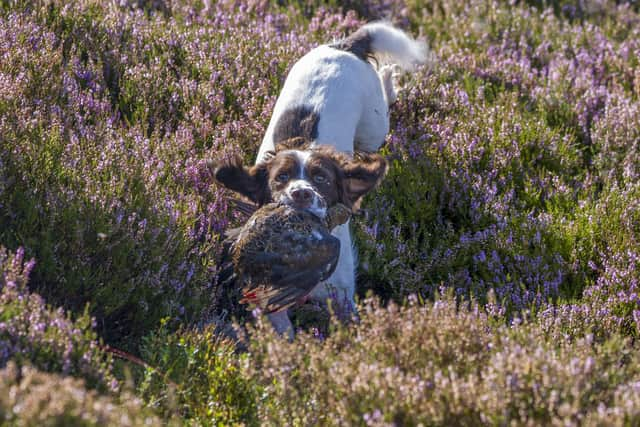
This week has seen the Glorious Twelfth, marked every August 12 to celebrate the start of Scotland’s grouse shooting season.
Official celebrations were held in West Glenalmond in Perthshire, despite some moorland estates having to cancel or scale back their shooting days this year to protect the surviving wild population.
Two very poor red grouse shooting seasons, coupled with last year’s cold and wet weather, has led to “dangerously low stock levels”, according to the British Association for Shooting and Conservation.


According to the Game and Wildlife Conservation Trust, which monitors 24 sites across Scotland, this year’s pre-breeding densities of grouse were 34 per cent lower than in 2024.
So is it time to end the annual shooting season?
The Scottish Greens certainly think so - they say the Scottish Government needs to be more vigilant in making sure regulations are followed during the season after the passing of the Wildlife Management and Muirburn (Scotland) Act 2024.
Ariane Burgess, MSP for the Highlands and Islands and the Scottish Greens’ rural affairs spokeswoman, has branded grouse shooting a “bloodsport” with the “ritualistic killing of animals”.
Ms Burgess said: “There is nothing glorious about the mass killing of animals for entertainment, but that is what was allowed to take place across our communities for far too long.

“The new protections have been a big step forward in curbing the cruel sport, but there are real concerns about loopholes in the licensing.
“We need to ensure that the system is as robust as possible. That means identifying any gaps in the legislation and ensuring that they are closed as soon as possible and that we do not undermine the intention of the act that was passed.”
She added ending grouse shooting also presents a “big opportunity” to invest in green jobs that boost nature in rural areas. Ms Burgess says the “extremely skilled” land managers should instead be working on regenerating degraded biodiversity.
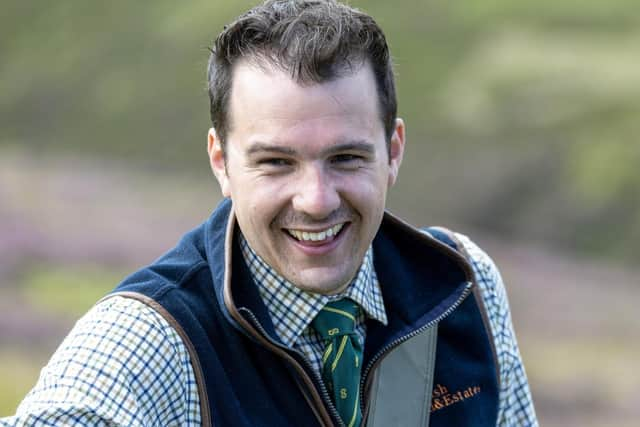
Those directly involved in grouse shooting disagree with this - Ross Ewing, director of moorland at Scottish Land and Estates, says opposing game shooting is “short sighted”.
Speaking to Scotland on Sunday, Mr Ewing, who is based in Perthshire, said: “From our point of view, this is an extension to the tourism season. Most conventional tourism peters out at the end of summer, but this carries on spending in local businesses.
“It is so important economically and there are conservation benefits too - it is actively underpinned by sound environmental credentials.
“Objections are quite often based on misunderstandings. I understand people object to killing, but at the end of the day everything shot on a grouse moor is taken away and eaten for food.
“It supports jobs in rural areas like gamekeepers, land managers and shepherds who are skilled in wildlife management. To take that away because people object to it is short sighted.”

Mr Ewing says there is a careful balancing act at play on managing predators like foxes, weasels and stoats while also protecting threatened species like curlews and lapwings.
He says none of this would be possible without grouse moor management.
Mr Ewing said not having the shooting season would have a “catastrophic impact”.
The British Association for Shooting and Conservation is also warning that new muirburn licensing rules could “jeopardise” effective moorland management. Muirburn is the controlled burning of heather which enhances biodiversity, promotes fresh plant growth, supports species such as deer and grouse and reduces the risk of wildfire, but there are warnings the new system is overly complex.

Peter Clark, Scotland director at BASC, said: “This is an integral part of the Scottish rural economy.
“Moorland management is an enormous part of protecting and enhancing Scotland’s uplands, delivering both economic and environmental benefits.
“Yet the new muirburn licensing regime, in its current form, hinders moorland managers in their efforts to reduce wildfire risk and provide habitats for grouse.”
A spokeswoman for the Scottish Government said: “We are considering whether additional measures are needed to address concerns with the licensing scheme, and if so, we will set out details in due course.”
Comments
Want to join the conversation? Please or to comment on this article.