
John Swinney's new Scottish independence paper is simply tick-box SNP party management
The energy and urgency has gone from the independence debate

There was very little - if any - buzz around the launch of the Scottish Government’s latest constitutional paper.
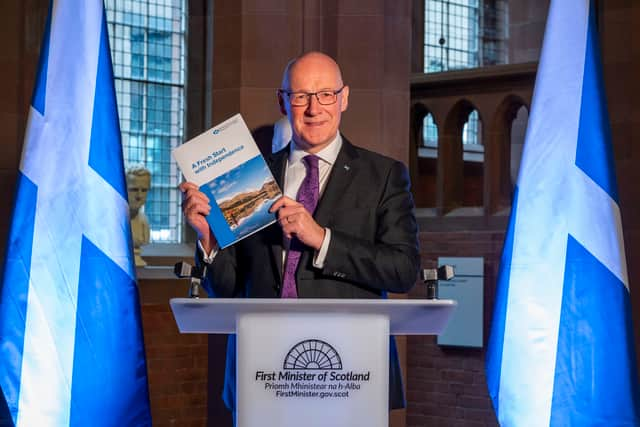
The “Fresh Start with Independence” document mostly just restates arguments we have heard many times before. It outlines the SNP’s position on key issues such as currency, EU membership and the border with England, but with little new detail.
Those looking for answers to tough questions will be disappointed.

For example, there is no real attempt to grapple with the complexities of the currency issue, nor to assess the full impact of potential checks on goods crossing the English border if Scotland joins the EU.
The truth is, the energy and urgency has gone from this debate.
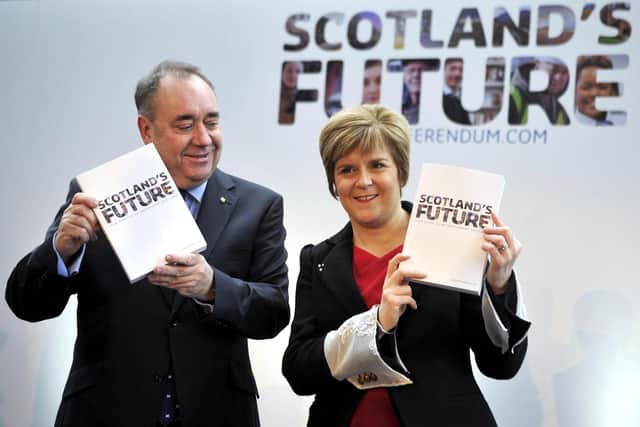
When Alex Salmond launched the 670-page White Paper ahead of the 2014 referendum, it attracted global media interest. It felt like a moment in history, regardless of whether you agreed with its contents.
In contrast, many of the “Building a New Scotland” series of papers have received little fanfare, largely because no one really expects a referendum to take place any time soon. They have felt oddly detached from political reality.
This latest document is no exception. Its launch at Edinburgh’s National Portrait Gallery - beautiful surroundings notwithstanding - was a low-key affair.
It felt more like a tick-box exercise. The SNP’s Programme for Government, published in May, had promised “a further paper setting out the economic benefits that independence can bring for Scotland”. Well, here it is.
The timing is also important. The SNP’s annual conference kicks off this weekend in Aberdeen, and the party’s independence strategy is very much on the agenda.
A motion signed by Mr Swinney argues securing an SNP majority in next year’s Holyrood election, as the party achieved in 2011, represents the “only uncontested route to delivering a new referendum”.
But a rebel amendment resurrects the idea of fighting the election as a “de-facto referendum”. No doubt this will be voted down, but its very existence points to frustration and restlessness among some activists.
With the publication of this paper, and the ones preceding it, Mr Swinney can at least say his Government is pushing forward the case for independence, even if a referendum feels a long way off.

The First Minister can also build on his argument that the constitutional question is intrinsically linked to issues such as declining living standards.
“What’s essentially new is how we have characterised the document in relation to circumstances people face today,” Mr Swinney told journalists on Wednesday.
“This is a document that is looking at Scotland today. What are people wrestling with, what are the circumstances, what are the solutions to those challenges?”
Devolution, he argued, is reaching the limits of what it can achieve in this area.
Mr Swinney hopes the result of the Holyrood election will inject fresh urgency into the stalled constitutional debate. But with the UK government refusing to play ball, those dreaming of independence may be forced to play the long game.
By which point, of course, these documents will likely be long out of date.
Comments
Want to join the conversation? Please or to comment on this article.