
SNP rules out proposed £6bn of tax rises to pay for flagship minimum income guarantee
The Scottish Government is “taking the time to consider” how it plans to pay for its flagship policy that could cost up to £10bn a ear to fund.

SNP ministers have insisted they have “no plans” to hike tax to pay for a flagship minimum income guarantee (MIG) policy despite an independent report they commissioned signalling Scots could face up to £4 billion of increases.
The Scottish Government said it was “taking the time to consider” recommendations of how to fund the policy, after an SNP manifesto commitment to “begin work to deliver a minimum income guarantee”.

A MIG would provide “a universal guarantee of financial security achieved through an income floor beneath which no-one would be allowed to fall”.
But a report drawn up by WPI Economics on behalf of the Scottish Government’s minimum income guarantee group has pointed to huge rises to income tax and council tax to pay for the policy.
The Scottish Government’s own estimates suggest a MIG could cost around £8bn and as much as £10bn, with the total proposed tax changes amounting to more than £6bn each year, including almost £4bn from devolved taxes. Some of the changes would require the devolution of additional financial powers from Westminster to Holyrood or working in co-operation with the UK government.
The Scottish Government’s expert group has suggested that “by 2036, we can move to an interim minimum income guarantee payment in Scotland, set at the level of the relative poverty line”.
The Scotsman previously revealed the Scottish Government spent £1.3 million on the report to investigate how the policy could be implemented.
One measure recommended in the report, which would lower the personal allowance for Scottish income tax to £7,570, would cost the public £2.7bn and increase bills for every single taxpayer by £950.
Other proposed tax rises include increasing council tax by up to 22.5 per cent above inflation, taxing income at 42p for every pound earned over £40,000 and applying Scottish income tax to dividends and savings.
The paper stresses there “are options open to the Scottish Government to increase available additional revenue without needing to increase tax rates”, including “changes to the fiscal framework with the rest of the UK and ensuring the introduction of a MIG supports wider economic growth as a means to organically grow existing tax receipts”.
But the report warns “these approaches are unlikely to generate the additional revenue needed to fund the longer term ambitions of a MIG”.
The document adds: “The short-term focus should be on a full consideration of what additional revenue could be raised from existing tax powers.
“It is possible that significant additional revenue could be raised by changes to Scottish income tax and council tax using existing powers. However, there are short-term political difficulties around utilising existing revenue-raising powers.”
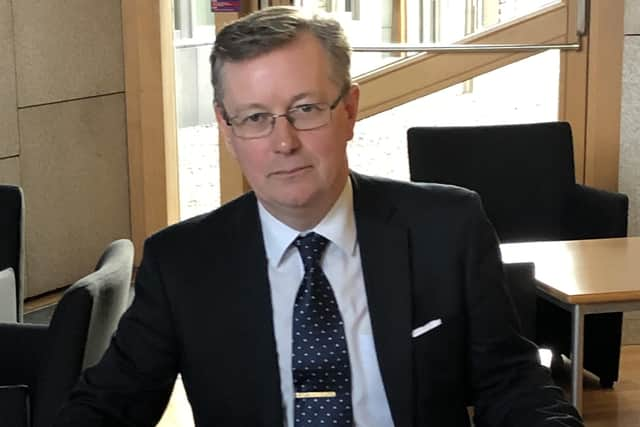
Scottish Conservative social security spokesperson, Alexander Stewart, said: “These staggering tax rises proposed by an SNP talking shop would pile further misery on hard-working Scots.
“The public are already suffering with £1.7bn worth of tax rises from SNP ministers – yet all the while public services have deteriorated. Every single taxpayer in Scotland could be hit with an eye-watering £950 bill if these tax rises were to be implemented.
“The fact these tax rises would not even be able to cover the enormous £8bn bill required to implement a minimum income guarantee should worry Scots that further tax hikes will be necessary too.
“After squandering taxpayers’ money on a report even nationalists knew was doomed to fail, John Swinney should immediately rule out this multi-billion-pound tax bombshell and drop the SNP’s minimum income guarantee plans for good.”

A Scottish Government spokesperson said: “These are proposals of an independent group, not the Scottish Government. We are taking the time to consider their recommendations before responding, taking into account affordability in the current financial context.
“We have no plans to change tax policy to finance this.”
Comments
Want to join the conversation? Please or to comment on this article.