
Exclusive:SNP reject climate advice to cut meat consumption because 'Scots are too unhealthy'

Scottish health officials have warned that teenagers are at particular risk of ill health if a blanket reduction in meat consumption was advised.
SNP ministers have refused to issue blanket advice to cut meat and dairy intake to meet climate targets due to Scots being too unhealthy.
The revelation comes after the Scottish Government watered down its legal climate commitments to cut harmful emissions, with its draft climate plan panned by campaigners for lacking ambition.
Ahead of the plan being drawn up, statutory independent advisors, the Climate Change Committee (CCC), recommended Scots cut all meat and dairy by 20 per cent by 2035 in order to cut emissions at a sufficient rate. Progress in cutting agricultural emissions in Scotland has lagged behind other sectors.
Despite SNP Climate Action Secretary, Gillian Martin, suggesting in the summer that decisions would be taken over behavioural change to protect livestock industries, it can now be revealed that a blanket ban on cutting meat and dairy intake is being rejected due to the poor health of Scots rather than a move to protect the farming industry.
In June, Ms Martin stressed that despite the CCC’s advice, “it is always for Scotland to decide whether those policies are right for us”.
She added that “to ensure we protect rural communities and have a thriving rural economy”, SNP ministers “will not adopt all their recommendations on agriculture”.
Ms Martin said her government “will instead meet our targets in a way which works for rural Scotland, including supporting and protecting our iconic livestock industries”.


But buried deep in the supporting documents published alongside the draft climate change plan, Scottish Government officials have pointed to advice from Food Standards Scotland that “rather than encouraging an ‘across the board’ reduction in meat consumption, efforts should focus on encouraging people who exceed the existing health recommendations to limit their consumption of red and red processed meat to no more than an average of 70g per day”.
The document adds: “This is because many population sub-groups in Scotland are already at risk of low micronutrient intakes and these may be worsened by a reduction in meat and/or dairy intakes, if these are not replaced with suitable alternatives such as vegetables, oily and white fish, eggs, pulses and legumes."
Statistics show that currently, 26 per cent of adults in Scotland consume in excess of the 70g per day target for red meat, with health officials warning this increases the risk of Type 2 Diabetes and colorectal cancer.
Government analysis published in December warns that “many population sub-groups in Scotland are already at risk of low micronutrient intakes including calcium, iodine, vitamin B12, selenium and zinc”.
The Scottish Health Survey found that 50 per cent of people in Scotland reported living with at least one long-term condition in 2024 – the highest level since the survey began in 1995.
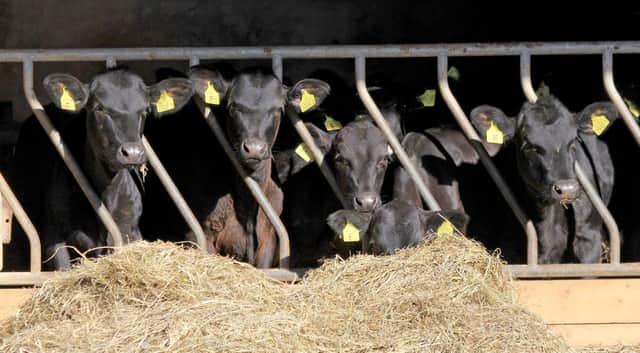
Average fruit and vegetable consumption by adults in Scotland remains well below the Scottish Government aim of five portions per day while in 2024, the vast majority of adults in Scotland did not meet dietary goals for fibre and only a fifth met the goal for free sugar consumption.
Dr Gillian Purdon, chief nutritionist at Food Standards Scotland, said: “Our research shows that reducing meat and dairy could support both healthier diets and climate change goals. However, the reality of achieving this is complex.
“Scotland’s overall diet remains poor, and we are still far from meeting recommended guidelines. This is particularly concerning for some population groups, such as teenagers, who are at risk of low intakes of essential nutrients like calcium, iodine and zinc.”
She added: “An ‘across the board’ reduction in meat and dairy cannot be recommended, as it could worsen nutrient intakes among those population groups most at risk.
“Therefore, we need population wide improvements to bring diets closer to the Eatwell Guide, to ensure nutritional adequacy is maintained or improved alongside any meat and dairy reductions.”
Scottish Conservative rural affairs spokesperson, Tim Eagle, said: “There was a rare outbreak of common sense in the SNP when they ditched this wildly out-of-touch advice.

“However, it is alarming to discover that it only appears to have been rejected because the SNP have spent the last two decades failing to promote a healthy lifestyle to Scots.
“That completely fails to take into account how ruinous these proposed reductions would have been for our farmers.
“Instead of squandering taxpayers’ cash on this, SNP ministers should finally show they are capable of standing up for our farmers.”
A NFU Scotland spokeswoman said: “Advice that encourages an ‘across the board’ reduction in meat and dairy risks oversimplifying a complex issue. Scottish farmers produce high-quality, nutritious food to some of the highest environmental and welfare standards in the world, and that contribution should not be undermined by blunt dietary messaging.
“We have previously welcomed Food Standards Scotland’s commitment to conducting research on the Scottish diet to ensure decisions are evidence-led, and that approach remains essential. Any future advice must be balanced, grounded in sound science and recognise the important nutritional role that meat and dairy play for many people, particularly where health vulnerabilities already exist.
“Equally important is supporting consumers to choose sustainably produced, home-grown food, which helps lower emissions, strengthens rural economies and supports Scotland’s food security.”
A Scottish Government spokesperson said: “We welcomed the Climate Change Committee’s advice regarding carbon budget levels. We will be meeting these with policies that match our just transition aspirations, especially with respect to agriculture and food production.
“Existing Scottish dietary goals already advise adults to limit their diet to 70g per person per day of red and processed meat, given the evidence of increased health risks from excess consumption.
“If all adults achieved this dietary goal then significant progress would be made towards the Climate Change Committee’s recommendations.”
Comments
Want to join the conversation? Please or to comment on this article.