
SNP's climate, oil and gas fence-sitting is easy option for John Swinney ahead of divisive election
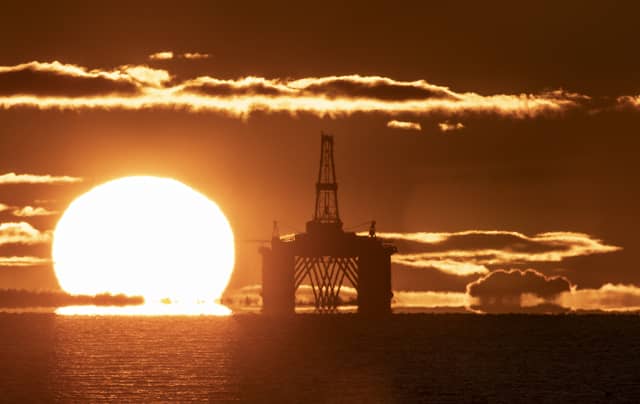
John Swinney’s SNP has refused to talk about the climate impact of supporting the North Sea oil and gas sector.


It has been a key vote-winner for the SNP over the past decade, but Scotland’s new blueprint to tackle the climate crisis has been branded underwhelming and lacking ambition by campaigners. But sitting on the fence over an increasingly-divisive and toxic issue could be a key pillar of John Swinney’s election strategy.
Nicola Sturgeon made bold promises on climate during her time as first minister and should be praised for some of the results, particularly helping kickstart a global moment on loss and damage payments. Being unashamedly pro-climate was a huge part of the SNP’s popularity.
Despite addressing the climate emergency being one of Mr Swinney’s four priorities in government, the SNP’s updated vision to reach net zero is unlikely to inspire pro-climate voters.
READ MORE: SNP warned 'significant risks' in net zero plans as fears raised over lack of heat pumps strategy
It is clear that Mr Swinney’s government is shying away from picking a side on the future of the North Sea - insisting it is sensible to back both horses. Climate considerations are now barely mentioned by Mr Swinney’s party on why the shift away from oil and gas needs to happen. The focus is squarely on the economic benefits and as a stick to beat the Labour government for heavily taxing oil and gas giants.
Remarkably, the Scottish government has not published a full energy strategy since 2017. Embarrassing levels of delay means the document, which will confirm the SNP’s attitude to oil and gas, will not see the light of day until after May’s election.

Scotland’s climate targets have been watered down after ministers finally admitted the 2030 legal ambition to cut 1990 levels of emissions by 75 per cent, agreed by MSPs from all parties, was out of reach.
While Scotland has cut emissions at a faster rate than the rest of the UK, that early progress has been achieved by the rapid switch to renewable electricity. A lot of tough and unpopular measures will need to be taken to keep net zero progress on track. The SNP’s climate change plan does not address those politically-difficult questions.
Watered-down plans to replace gas boilers with electric heating systems have been delayed due to fears it will place too much of a burden on consumers before the UK government follows through on a vow to untie gas and electricity prices. Pushing currently expensive heat pumps on voters was never going to fly before an election.
The Scottish government’s independent advisers, the Climate Change Committee, has issued a stark warning over “significant risks and gaps” in the SNP’s strategy beyond 2030.
READ MORE: Climate advisers lash out at Reform and Tories' 'slogan-based' net zero opposition ahead of election
Lang Banks, director of WWF Scotland, said it was “extremely disappointing not to see stronger action to cut climate emissions in key areas”.
Rosie Hampton, Friends of the Earth Scotland’s campaigns manager, branded SNP ministers “delusional” for relying so heavily on untested carbon capture technology which is yet to be proven at scale or be backed by investment.
Net zero has slipped down the priority list for Scots, in part due to a hostile attitude by the Tories and Reform, despite the clear and significant economic benefits net zero will undoubtedly bring.
After Humza Yousaf catastrophically removed the Scottish Greens from government, Mr Swinney has done his very best to erase any evidence the Greens were ever there, particularly on climate action - with some in the SNP using their former partners as a scapegoat for well-documented internal problems.
Sitting on the fence can be a dangerous place for political parties. Just ask Scottish Labour and its hands-off approach to the constitution over the last decade. But with the SNP looking comfortably ahead in the polls, Mr Swinney’s apparent neutral stance on energy and climate action, could be a hallmark of the cautious approach we have become accustomed to under Mr Swinney’s leadership.
Comments
Want to join the conversation? Please or to comment on this article.