
Sir Keir Starmer's Westminster 'civil war' impacting on Scots' cost-of-living crisis


The SNP has warned that the Labour government’s ‘civil war’ is impacting on the cost-of-living crisis
Scots are being “left to count the cost” of the UK Labour government’s “full-blown civil war”, the SNP has claimed.
The warning comes as Sir Keir Starmer admitted he has “got to turn things around” if he is going to remain as Prime Minister and lead Labour into the next general election.

The Prime Minister’s fragile authority has suffered a further blow with the resignation of defence secretary John Healey and armed forces minister Al Carns over the long-delayed defence investment plan (DIP).
Sir Keir insisted defence spending was a priority and he had taken the “difficult decisions” necessary to keep the country safe.
On Friday, the Office for National Statistics confirmed that the UK economy shrank in April – the first monthly fall since August last year – with inflation also expected to rise with energy bills set to soar by more than £200 at the start of July - £600 higher than Labour promised at the general election.
READ MORE: Sarwar calls on Starmer to 'urgently address defence spending' after wave of resignations
The timing of the resignations of Mr Healey and Mr Carns, along with two ministerial aides, comes at a moment of peril for Sir Keir, whose premiership has looked precarious since May’s Holyrood election results - with Anas Sarwar leading Labour into joint second place with Reform, despite claiming he would become the next first minister.
Andy Burnham hopes to return to Westminster in next week’s Makerfield by-election and has made no secret of his Labour leadership ambitions, while former health secretary Wes Streeting will also run in any contest.
SNP Westminster leader, Dave Doogan, said: “The raft of resignations in the last few days is confirmation that the Labour party is entering into a full-blown civil war but, as usual, it is the public who will be left to count the cost of their chaos.
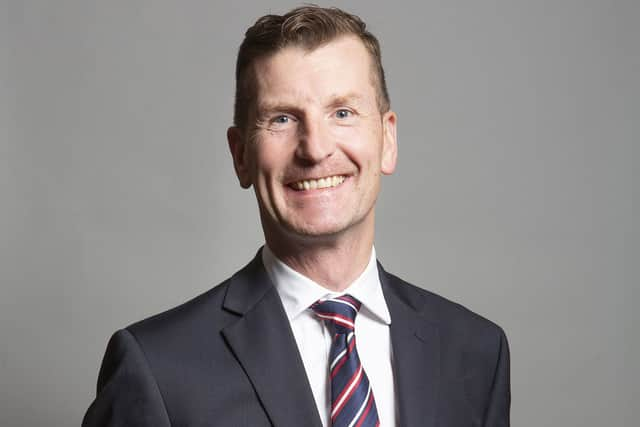
"Every single day that the Labour party are focused on fighting amongst themselves is one more day they will ignore the priorities of the people they are actually there to serve.
“People gave Labour their trust to be a responsible government, instead they have been reckless from the very day they took office.”
He added: "For years, Labour politicians arrogantly lectured others about getting on with the day job - now they can't even get through a full week without another resignation or another scandal.
“Labour's chaos means that Westminster is set for another summer of discontent - the public is left with a Prime Minister and a UK government literally living in limbo. All the while - in the real world - the cost-of-living emergency deepens for families, with energy bills set to soar by over £200 at the start of July.”
Speaking out after the latest round of resignations, the Prime Minister said he would fight any leadership challenge he faces.
“I don’t think we should plunge the country into the chaos of a leadership election”, he said.
“I don’t think it should happen, but if it does then I will fight.
“And let me just be clear with you. That’s not about personal vanity, it’s not about stubbornness. It’s out of a very deep sense of duty.”
Asked if he would lead Labour into the next general election, expected in 2029, he said: “Well, that’s what I want to do.
“I recognise that I’ve got to turn things around. We had a very bad set of elections.”
In his resignation letter on Thursday, Mr Healey said the Prime Minister had been “unable, and the Treasury has been unwilling” to provide adequate funding for the DIP.

Military chiefs have called for around £28 billion over four years, while a figure of around £18 billion had been sought by officials in Whitehall.
But the DIP promised just £13.5 billion, of which only £10 billion was extra cash, with defence sources claiming the other £3.5 billion was “Treasury trickery”, likely from expected efficiency savings or cuts.
Mr Healey complained the extra support was also “backloaded” to later years of the settlement when the need for the money was urgent.
Asked about Mr Healey’s criticism, the Prime Minister said: “We have another spending review coming up and before the end of this Parliament, and defence will be a number one priority in that space.”
He also denied this was a promise of “jam tomorrow”, saying: “It’s very important that when I make commitments on something as important as defence that I’m able to point to what the funding is.
“I’ve tackled it head on and I have taken the decision to reallocate from other departments. That’s not easy.”
Mr Carns, who was born in Aberdeen, said the funding plan did not have enough money behind it and was not “transformational” in the way it responds to the challenges of modern warfare as shown by the Ukraine conflict, where drones have become a key factor on the battlefield.
The highly-decorated Royal Marines officer who traded his military career for Westminster insisted Sir Keir should stay in place to “steady the ship”, but did not rule out a future leadership bid.
Mr Carns, who was sidelined from the DIP process, said there were problems with both the level of funding and the type of equipment being bought for the military.
Downing Street said the DIP was still being finalised.
A No 10 spokeswoman would not be drawn on whether Dan Jarvis, the new defence secretary, had asked for or been offered more funding as a condition of him taking up the role.
The spokeswoman said: “Work to finalise the defence investment plan continues at pace with the new defence secretary, and the Prime Minister has been clear that he is determined to publish it before the Nato summit in July.”
Comments
Want to join the conversation? Please or to comment on this article.