
Sickness absence among teachers and council staff hits record high over 'breaking point' claims
The Accounts Commission raised the alarm in a new report

Sickness absence rates for teachers and other council staff in Scotland have surged to a record high as local authorities were described as being left at “breaking point”.
A report by the Accounts Commission, the public spending watchdog, found absence levels among teachers rose in 27 out of 32 councils between 2022/23 and 2023/24, with an average increase of 11.7 per cent nationally. This represents an increase of 85 per cent since Covid.
For wider council staff, sickness absence increased in 25 out of 32 local authorities, rising by 45 per cent since Covid and an average of 4.5 per cent nationally between 2022/23 and 2023/24.


A total of 2.65 million days were lost to sickness across local government in 2023/24. This trend is mirrored in the Scottish Government workforce and NHS Scotland, with the latter reporting a sickness absence rate of 6.2 per cent until February last year - its highest level in the past decade.
The Accounts Commission referenced a recent report that cited stress, mental health and fatigue as key contributors. “The Chartered Institute for Personnel Development’s Working Lives Scotland 2024 report highlights there is a growing unease across the public sector,” the report added.
“There has been a drop in the proportion of public sector employees saying they feel inspired at work and an increase in the proportion of staff feeling detached from their jobs and motivated only in monetary terms.”
Teaching unions have also sounded the alarm over rising levels of abuse and violence in schools.
The Accounts Commission said Scotland’s councils urgently needed to make progress with workforce plans if they were to protect services and financial sustainability. The body said the number of staff employed by councils had risen, but this had not kept pace with ever-increasing demand.
Multiple challenges are affecting Scotland’s 260,000 council workers, the commission said, including struggles in recruiting and retaining staff.
“Recruiting and maintaining a skilled local government workforce remains challenging and, at the same time, demand for council services is increasing,” it said in a new report.
“This is placing additional demands on the existing workforce and there are indications this is now impacting upon the wellbeing of an ageing workforce, with absence levels rising to a new high.”
Scottish Conservative finance spokesman Craig Hoy said: “This eye-opening report exposes the deeply damaging impact years of savage SNP cuts and gross mismanagement is having on Scotland’s council workforce.
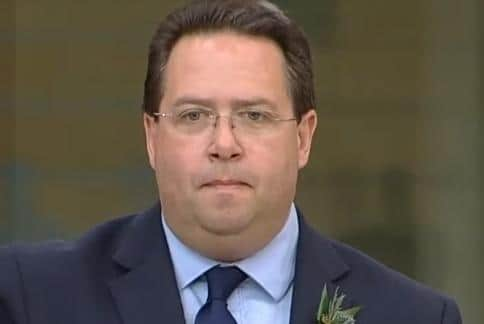
“The record high sickness rates among staff paints a picture of local authorities being at breaking point due to SNP ministers asking employees to do more with less. They simply cannot meet the demands being placed upon them to try and protect the day-to-day services communities rely on.
“With staff costs also rising, this situation is completely unsustainable going forward unless SNP ministers finally get a grip and give councils a fair funding deal. For too long the nationalists have passed the buck to councils and it is clear workers are paying a heavy price for those failures.”
Jennifer Henderson, from the Accounts Commission, said: “We all benefit from a skilled and motivated local government workforce. Staff are the most important resource that councils have. Councils must fundamentally reform how they deliver services and Scotland’s 260,000 council workers are crucial to this.
“Councils need to align their existing workforce plans with their priorities so they can ensure their workforces are the right size and shape, and their staff have the skills they will need. In particular, they need to ensure workers have the digital skills necessary for the scale of changes ahead.
“We have seen many councils already responding to this challenge, and there are valuable opportunities for local bodies to learn from each other.”
A Scottish Government spokesperson said: “Workforce planning is an operational matter for local authorities. The Scottish Government has provided councils with a record £15.1 billion this year - a real-terms increase of 5.5 per cent.
“We will continue to work with partners to reform Scotland’s public services to ensure they are financially sustainable and continue to deliver positive outcomes for people and communities.”
Comments
Want to join the conversation? Please or to comment on this article.