
What do Scotland's political parties have planned for land policy, farming and wildlife management?


The varying manifestos show how different rural Scotland’s future would look under each party.
Scotland’s political parties have distinctly different visions for the future of the country’s rural landscape ahead of this year’s election.
Making up 98 per cent of the country, rural Scotland and the communities and businesses among it is vast. Yet from wildlife management to land reform to all things food production, the manifestos from each political stripe are markedly different. Some stick with the “status quo” while others lay down more radical shifts in how rural industries and lives exist today. There are, however, some proposals, such as deer management, where the parties generally align.
Farming and food production
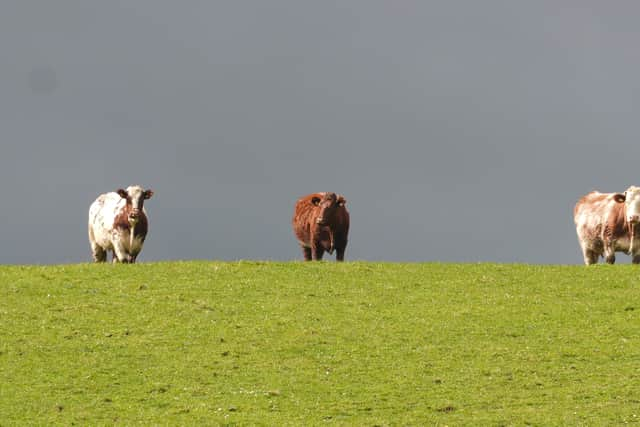
The SNP remains committed to supporting active farming and food production through direct payments. The party has been accused of bringing no real change to protect the environment, though its manifesto proposes new approaches to advice for individual farm plans to support nature, climate and sustainable food production, alongside more targeted support through the four-tier Agricultural Reform Programme framework.
Reform UK says it will introduce grant funding for land improvement, including drainage and fencing. It also backs the restoration of hedgerows and tree lines, incentives to bring young people into farming, and apprenticeship support for abattoirs. The party says it will replace carbon audits with what it calls “practical, outcome-based measurement” and scrap the Scottish Land Commission, and retain the Tenant Farming Commissioner.

The Scottish Conservatives says farming should be “properly funded”, with at least a £50 million uplift to the rural budget and guaranteed multi-year settlements. The party promises reverse changes to inheritance tax on agricultural land, cut red tape, introduce a rural crime bill early in the next Parliament, and review how farm payments are distributed.
Scottish Labour plans to reward nature-friendly practices through modernised support payments, ensuring public money underpins food production, biodiversity and viable rural communities. It will also cap tier 1 payments to larger businesses and redirect funding towards smaller farmers and crofters.
The Scottish Liberal Democrats back their UK party’s ambition to increase agricultural investment by £1 billion a year, with ring-fenced funding for the Scottish Government and three-year settlements to provide greater certainty. They will also scrap inheritance tax on agricultural land and support a Food Supply Chain Fairness Bill.
Meanwhile the Scottish Greens says it will place nature-friendly farming at the centre of the sector, proposing a ‘Transition Insurance Fund’ to support a shift to regenerative agriculture. This will replace most existing subsidies and rebalance payments towards those producing food in environmentally sustainable ways.

Land reform and carbon taxation proposals
The SNP propose a Rural Renewal Bill to “continue the land reform journey”, bringing forward a range of strategic measures. These include improving transparency of land ownership, supporting existing tenants, strengthening community rights to buy and own land and introducing anti-avoidance provisions—rules designed to stop landowners or related parties from dodging legal obligations, such as splitting land into smaller sections to avoid thresholds or transferring estates to family. The party is also exploring a Carbon Emissions Land Tax (CELT) which focuses on taxing large landholdings (over 1,000 hectares) based on their greenhouse gas emissions, particularly from degraded peatlands.

The Scottish Greens says it will cap land ownership at 500 hectares for any individual or company, unless the party decides a clear contribution to the common good can be demonstrated. The party also proposes greater transparency over land ownership and the recipients of public subsidies, alongside a CELT designed to incentivise carbon sequestration and reduce emissions from land use.
Scottish Labour also advocates introducing a 500-hectare threshold while it also seeks to tax large-scale holdings and opposes off-market sales of large estates to help encourage community buy-out rights.
The Scottish Conservatives, by contrast, proposes to scrap carbon taxes and carbon price support mechanisms that they argue drive up energy costs. The party generally opposes the SNP Land Reform proposals saying they are "unworkable," "bureaucratic," and harmful to rural businesses and therefore Scotland’s economy. It wants to protect existing land management to support traditional rural industries and remove red tape for landowners.
Reform UK pledges to go further, pledging to repeal land reform measures altogether.
Wildlife and wildfire management
Grouse management appears to be less under fire among the manifestos, however muirburn—the controlled burning of heather—is mentioned by the Scottish Conservatives, who argue that the SNP government’s licensing scheme will limit the help that burning heather can do to manage wildfires. The party plans to pause muirburn licensing from becoming law. It says that “rather than more rewilding, we need to manage Scotland’s existing wildlife better.” The party’s rural manifesto also promises to work with land managers to manage the deer population, promote the use of venison and to “reaffirm our commitment to field sports.”


The Scottish Greens says the party will support Scottish Fire and Rescue Service to expand frontline response teams to wildfires. It proposes licensing system to control the release of gamebirds – such as pheasant and red-legged partridge – each year “to reduce the spread of avian flu to wild birds”. No other party has commented on licensing. The party will also introduce a strategic management of Scotland’s “out-of-control deer population” so that damage from overgrazing is minimised, backed by incentives to support land managers who reduce deer numbers.
The SNP points to its published wildfire strategy. The party’s manifesto also commits to “expanding Scotland’s native woodlands through funding 18,000 ha of woodland creation annually by 2029, with at least 40% of new native woodland by 2045.” To protect these woodlands, it supports firm deer control incentives and a national deer management and venison plan.
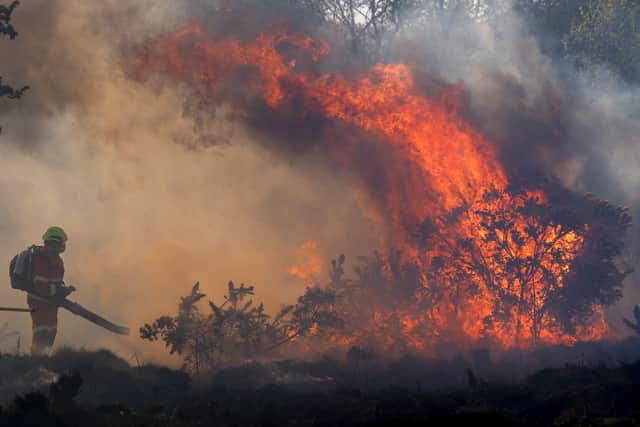
The Scottish Liberal Democrats say they will work with land managers and environmental organisations to tackle overgrazing by deer, support rural employment and boost the low-carbon wild venison market.
Scottish Labour, too, would work in partnership to deliver sustainable deer management, continuing incentive pilots and supporting community initiatives to supply venison to local markets. The party also seeks to raise awareness of wildfire prevention.
Reform promises to “support rural communities by maintaining traditional country sports” and to “stop poorly managed forestry and rewilding schemes and develop a longterm plan for planting extensive native woodlands across Scotland”.
Comments
Want to join the conversation? Please or to comment on this article.