
Exclusive:Crisis 'nowhere near over' as one in three Scots families need to borrow for emergencies

Scots have listened to Keir Starmer’s warning the economy will get worse before it improves as it emerges that families with children are struggling to fix emergencies without borrowing.
SNP ministers have been urged to bring forward “all year round” financial support in next month’s budget after it emerged one in three households with children are unsure they could pay for an emergency without resorting to borrowing.
The fears come amid a warning the cost-of-living crisis is “nowhere near over” - amid a controversial cut to winter fuel payments by the Labour UK government.


New research from The David Hume Institute has found that almost half of Scots feel worse off financially than they did a year ago, despite the new Labour government taking the keys to Downing Street in July, promising “change”.
Research carried out by the Diffley Partnership found that one in three Scottish households with children are not confident they could meet an emergency expense of £100 without borrowing, while six in 10 are not confident they could meet an emergency expense of £500.
The Understanding Scotland Economy Tracker found that households with children are less likely to report that they are confident that they could meet an emergency expense of £100, at 67 per cent, compared to households without children at 77 per cent.
New research undertaken by the Diffley Partnership by interviewing 2,233 Scots between November 1 and November 5, found that 48 per cent of people living in Scotland believe their financial situation is worse than a year ago.
Since August 2024, there has been a six percentage point rise in people feeling that their own finances have worsened in the last year – with three in 10 admitting they have lost sleep over money.
Meanwhile, 63 per cent believe that the general economic conditions are worse, up nine percentage points and 65 per cent of people said they believe that the general economic conditions will continue to decline.
The findings suggest a growing lack of optimism over the last three months and pose questions for SNP finance secretary Shona Robison ahead of her budget next month.
Scott Edgar, senior research manager, at the Diffley Partnership, said: “The latest findings from the Understanding Scotland Economy Tracker show that public confidence in the economy has taken a massive hit over the last three months.
“People are reporting that concerns over money matters are impacting their work, home life, and health. With two-thirds of Scots expecting the economy to worsen over the next twelve months, many will be looking to next week’s Scottish budget as a chance to offer a signal of confidence in the nation’s economic future.”
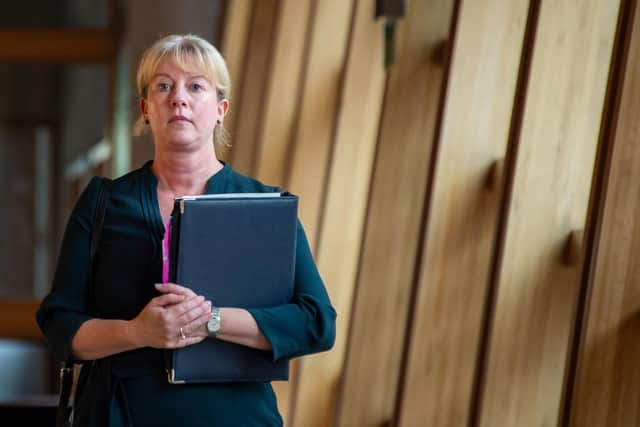
Susan Murray from the David Hume Institute, said: “With the Scottish Government’s budget just over a week away, there is an opportunity for finance secretary Shona Robison take on board the large number of people struggling financially.
“However, as the weather turns colder, it feels like there is a long hard winter ahead for many. I hope all political parties take on board the large number of people feeling so stretched as the political horse-trading starts to get the Scottish budget passed.
“The economy will not turn a corner and productivity will not increase until more people are sleeping easily at night and not awake worrying about money.”
The research found that one in six Scots report strained relationships at home because of money and an impact on their physical health due to worries over finances. One in three people have reported their money worries impacting on their mental health, while only 15 per cent said that concerns about money matters have not affected them.
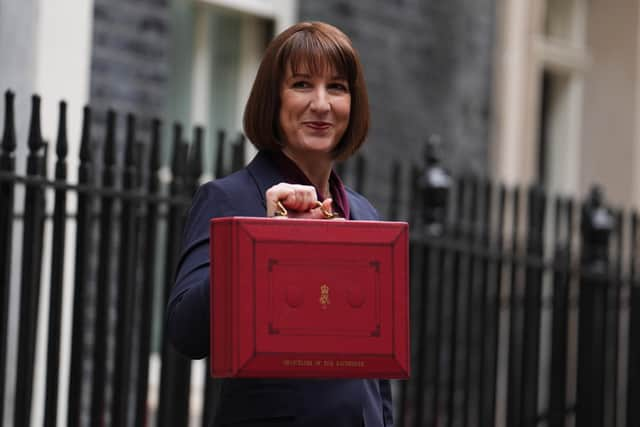
Myles Fitt, head of financial health at Citizen Advice Scotland, said: “While inflation has fallen in recent months, it’s still with us, and people continue to see high prices for everyday items.
“As we head into the coldest time of the year, people are being forced to limit choices when it comes to bills and household spending. We also know that credit card debt is on the rise with many people using them for essential daily costs including food just to make ends meet.”
He added: “With the Scottish budget coming up, we urge our parliamentarians to provide support to help people’s individual budgets, all year round. Urgent and targeted solutions are needed if we’re going to create a fairer Scotland for all. We can’t stress enough how living in a cold home with the all-consuming worry of debt impacts both mental and physical wellbeing.
“Everyday our advisers across Scotland support people who will attest that the cost-of-living crisis is nowhere near over. If you or anyone you know is worried about their finances and need support in navigating the right support, please visit your local CAB.”
The study’s shift towards a less positive outlook suggests that political messaging from Prime Minister Keir Starmer that “things will get worse before they get better” ahead of Labour’s first budget in October has been heard loud and clear by Scots.
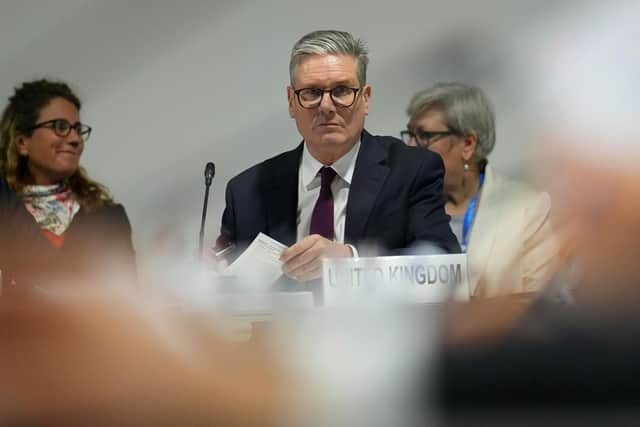
Scottish Conservative shadow finance secretary, Craig Hoy, said: “It’s little wonder that so many Scots feel worse off, since they have to contend with two left-wing, tax-raising governments.
“The SNP have made Scotland the highest taxed part of the UK and Labour have just given us a record £40bn of tax rises on top.
“Unfortunately, all the signs are that in next month’s Scottish budget, the cosy left-wing consensus among the other parties at Holyrood will see households, public services and the economy hit even more harshly.”
The Scottish LibDems could strike a deal with the SNP to ensure the budget passes through Holyrood.
The party’s economy spokesperson, Willie Rennie, said: "It's no wonder that Scots are feeling pessimistic.
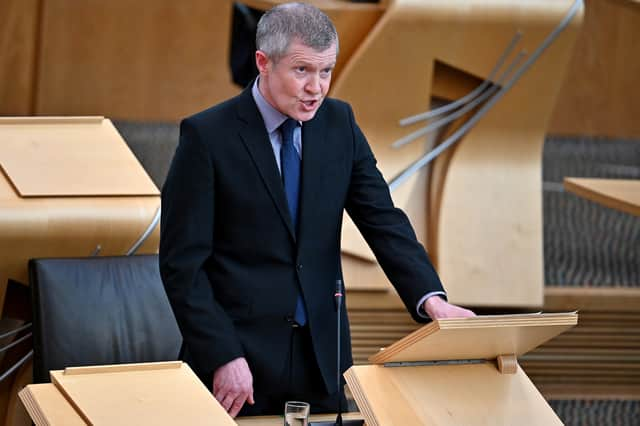
“It has been very concerning to see the Chancellor repeat a number of the Conservatives’ mistakes. Raising employer’s national insurance is a tax on jobs.
“We should raise the money we need by reversing Conservative tax cuts for the big banks, or asking the social media and tech giants to pay a bit more. Instead the Chancellor has chosen unfair tax hikes that will hurt jobs, wages and growth."
The Scottish Greens have claimed the findings of the research show Labour is continuing the ideology of the Conservatives at Westminster.
Greens co-leader, Lorna Slater, said: “Never has this country had a new government so devoid of hope and ambition as Keir Starmer’s Labour party.
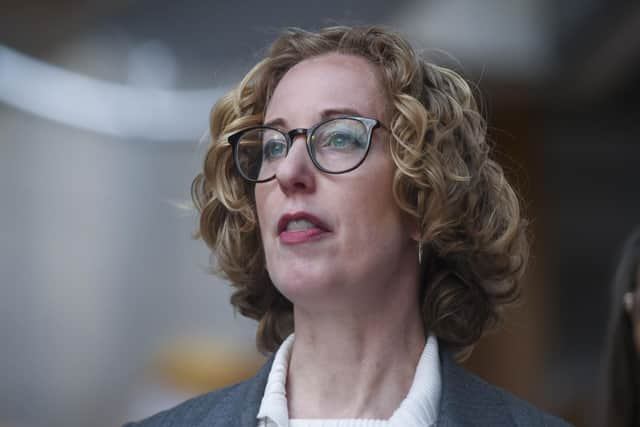
“Voters kicked out the Tories because they knew the UK economy needed serious change.
“But what we got is a Labour Party more interested in raising tuition fees and throwing 100,000 pensioners into poverty by slashing benefits like the winter fuel payment.
“People feel worse off because whether the austerity politics come from the Tories or Labour, they are worse off.”
A HM Treasury spokesperson said: “With our public services crumbling and an inherited £22bn fiscal black hole from the previous government, we had to make difficult choices to fix the foundations of the country and restore desperately needed economic stability to allow businesses to thrive.
“This government is committed to delivering economic growth by boosting investment and rebuilding Britain."
A Scottish Government spokesperson said: “Despite facing the most challenging financial situation since devolution, we have allocated £3 billion a year since 2022-23 to policies which tackle poverty and the ongoing cost of living crisis.
“The upcoming Scottish budget will prioritise funding to deliver on the First Minister's priorities, including growing the economy.”
Comments
Want to join the conversation? Please or to comment on this article.