
North Sea 'stand off' is over, says oil and gas industry body

Offshore Energies UK sounded a positive note despite tax hike
The “stand off” between the North Sea sector and the UK government is over, the offshore industry trade body has said.
Mike Tholen of Offshore Energies UK (OEUK) sounded a positive note despite Chancellor Rachel Reeves confirming plans to raise a windfall tax on oil and gas firms.
He said higher tax rates are "absolutely no fun" but insisted there is now a "positive dialogue" between the sector and the Labour government.
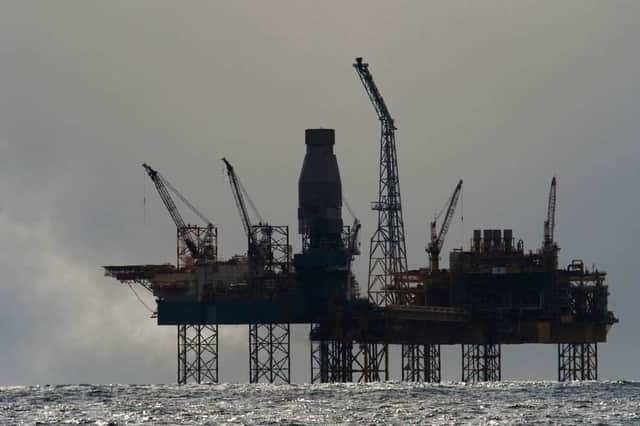

"We've moved to a point where probably there was a stand off, to one where people are engaged and talking and trying to think about how we actually make this all work,” Mr Tholen, OEUK’s sustainability and policy director, told The Scotsman.
“So higher tax rates, absolutely no fun, a lot of companies across the whole of the UK economy are squeaking at the minute.
“But as a sector, there is a positive dialogue about how we can work together to support the transition but also continue to meet the needs, industrial or otherwise, of the UK and particularly Scottish economy over the next few years."
Delivering her Budget on Wednesday, Ms Reeves confirmed plans to increase the windfall tax, known as the energy profits levy, to 38 per cent from 35 per cent. This will bring the headline rate of tax for the North Sea industry to 78 per cent.
She also scrapped a 29 per cent investment allowance, which means companies can offset tax from money that is reinvested.
The windfall tax applies to profits made from extracting UK oil and gas, and was initially set at 25 per cent before Conservative chancellor Jeremy Hunt increased it to 35 per cent in 2023.
Mr Tholen said: "Does any sector really enjoy having the tax rates for the sector moved up to 78 per cent? You'll be surprised my answer on that is no."
However, he added: "The government, I think, has shown that it actually wants to try and work with the sector to both look at the tax regime in the spring of next year as to where that could go, and talk with us a little bit more about how we actually do actively help in the energy transition."
He continued: “Certainty has benefits. Even if you don’t like all of the certainty, at least you know what you’re doing.”
Responding to the Budget on Wednesday, David Whitehouse, chief executive of OEUK, said there was “no hiding that this is a difficult day for the sector”.
He said: “Oil and gas companies, our world class supply chain and our highly skilled people will support the energy transition. We will not be successful without them.”
Meanwhile, Shell’s finance chief, Sinead Gorman, called for “certainty” on the government’s oil and gas policy.
She said: “Elected officials just have to balance budgets in the best way they see fit. We have to look for policies that provide certainty… We invest over the long term.”
She added: “We have seen a number of changes in the fiscal policy in the last few years, but we continue to engage constructively with the government on alternative fiscal regimes to support the future of the North Sea and that energy transition in the UK.”
Comments
Want to join the conversation? Please or to comment on this article.