
MSPs to banned from sharing hotel rooms with staff in sexual harassment crackdown

The new rules ban staff from sharing hotel rooms and claiming alcohol on expenses.
MSPs are to be banned from sharing hotel rooms with their staff in a bid to crack down on sexual harassment.
New rules will also ban Holyrood staff from charging alcohol to the public purse on overnight stays.
This comes after a dignity at work report found 84 instances of bullying, harassment and sexual harassment amongst Scottish Parliament staff in the past five years.


The highest number of anonymous disclosures in this report was related to MSPs themselves.
Lorna Hunter, the parliament’s director of people, communications and inclusion, sent out an email to all staff in the parliament detailing the changes on Tuesday. She said: “While there is more to do I hope you can already see the tangible progress we are making together.”
The email added the MSPs’ expenses scheme has been updated meaning MSPs can now no longer share a hotel room with members of staff.
It said: ”In line with legislative changes, we have made additions to the members’ expenses scheme to make clear that members and staff, or two staff, should not share overnight accommodation in any circumstances.
“We have also removed the ability to claim for alcohol in such situations.”
Previously staff could claim up to £8 for the cost of a drink as long as it was part of an evening meal on an overnight stay.
On top of this the parliament is also undertaking a review of “higher risk environments’, including overnight accommodation, business travel arrangements and the availability of alcohol at events.
Other measures have been introduced, including offering staff counselling up to 12 months after leaving employment in Holyrood.
When the newly-elected MSPs enter the parliament in May, they will now also be asked to sign a new employer pledge which will “establish shared expectations of dignity, courtesy and respect”.
Over the coming weeks the parliament’s inclusivity team will be holding “confidential” meetings with MSPs’ staffers to discuss the findings of their recent dignity at work report. Similar meetings will be held with the Scottish Parliamentary Corporate Body to “help address the two-tier culture identified in the review and to better understand everyday interactions across teams”.
The email to staff added: “These conversations will allow us to explore these issues in more depth and gather your ideas on building a healthier, more consistent speak up culture across parliament.”
Officials are also drafting a “safeguarding framework” which will be sent out to all staff in the parliament shortly. The email to staff said: “As part of this, consideration is being given to new requirements and training in relation to roles which may involve interaction with children, young people and vulnerable adults.”
The dignity at work report, published earlier this month, detailed dozens of “serious allegations of sexual misconduct, sexual harassment affecting women and men” as well as “incidents linked to alcohol and behaviour described as intended to ‘keep women in their place’.”
The report said “these patterns indicate misuse of power by a small number of individuals and a gap between lived experience and official reporting volumes”.
The feedback said “many individuals did not seek advice at the time of the incident due to fear of consequences, reputational harm or concern that reporting could damage political relationships or career prospects”.
When the report was published, Presiding Officer Alison Johnstone and the parliament’s chief executive David McGill released a joint statement condemning the findings.

It said: “These incidents during this session only came to light through this review, making it clear that some colleagues did not previously feel safe or confident to share their experiences.
“Our foremost concern is for those affected. Coming forward is never easy and we are grateful to everyone who took part in this review.”
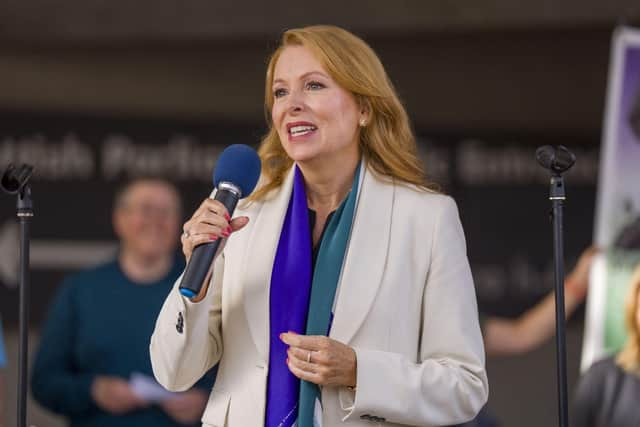
The changes to MSPs’ expenses on hotels and alcohol has been welcomed by Ash Regan MSP.
She said: “Those of us privileged to hold public office are here to serve, and that demands the highest professional standards, rooted in clear expectations and accountability.
“The public rightly expects those who work in parliament to bring their professional selves to work - focused, respectful and committed.
“A well-run workplace should not be complex - it depends on clear policies, behaviour and standards.
“While these steps from parliament are welcome, what matters most is not pledges, but how consistently those standards are upheld in practice.”
Comments
Want to join the conversation? Please or to comment on this article.