
Starmer urged to allow SNP ministers borrow more cash ahead of upcoming funding gap
SNP ministers are braced for a capital funding shortfall by the end of the decade.
Sir Keir Starmer has been urged to allow the Scottish Government to borrow more funding for capital investment projects as SNP ministers brace for a funding gap of more than £2 billion.
Currently, the Scottish Government is limited to borrowing £600 million for day-to-day spending and £450m for capital projects such as new hospitals, schools, roads and net zero infrastructure.
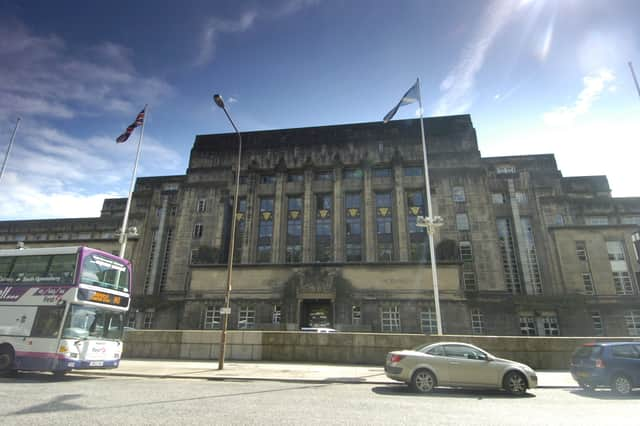

The Scottish Government’s medium-term financial strategy predicts a £2.1bn funding gap for capital investment plans by the end of the decade. Capital spending is forecast to increase from £7.2bn in 2025-26 to £9.2bn by 2030, with more money poised to be allocated to affordable housing, public transport and a flagship strategy to decarbonise buildings.
But in a report from the Scottish Affairs Committee at Westminster on the fiscal arrangements north of the border, MPs have pushed for the limits to be increased.
The report said: “At present, the Scottish Government’s limited borrowing powers constrain its ability to manage fiscal shocks, as it is only able to borrow for resource purposes to cover forecast errors.
“Capital borrowing limits are currently linked to, and grow in line with, inflation, which may not necessarily be the highest metric of growth.”
It added: “We agree with the Secretary of State that borrowing limits should be linked to the measure which offers the Scottish Government the highest level of flexibility but, crucially, we note that which metric delivers this remains undetermined.
“The UK government should therefore publish a transparent analysis of what borrowing limits would look like based on the different metrics advised in the evidence for this inquiry.
“At the next fiscal framework review, we encourage the UK government to consider reforming the Scottish Government’s capital borrowing powers, by automatically coupling borrowing to the metric which offers the highest limit.”
The report comes at the end of an inquiry by the committee which sought to gauge the effectiveness of the Barnett Formula – the measure which dictates the level of funding the UK Government sends to Scotland every year.
The MPs found the measure was “fit for purpose”, although it is “imperfect”.
The committee also rejected calls for the formula to shift and provide funding to Scotland based on need.
Scotland, the report said, already receives more funding per head than any other country in the UK and a change in the framework could see funding cut.
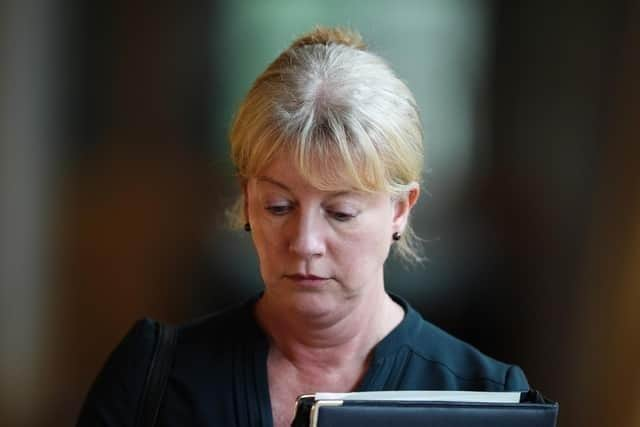
In written evidence to the committee, Scottish Finance Secretary Shona Robison reiterated the Scottish Government’s support for full fiscal autonomy – an arrangement which would see powers over tax and spending devolved.
But the committee dismissed such a move as not being a “realistic prospect”.
READ MORE: More Scottish traders bracing for economic decline than expecting growth - bucking post-Covid trend
Responding to the report, Ms Robison said: “This report rightly recognises that Scotland’s finances remain largely dictated by the UK Government’s spending decisions, irrespective of the impact on Scottish public services.
“That has meant Scotland has been left with a shortfall of £400 million to pay for the Chancellor’s national insurance increase, and saw Scotland short-changed by more than a billion pounds over the next three years at the recent spending review.”
Scottish Secretary Ian Murray said: “Spending per head in Scotland is around 20 per cent higher than the rest of the UK thanks to the Barnett formula. This report confirms that it appears to be the position of the Scottish Government to scrap that formula that delivers higher funding – they should explain why they want less money for public services in Scotland.
“Their plans for full fiscal autonomy would mean a £12 billion cut in public spending for Scotland.”
Comments
Want to join the conversation? Please or to comment on this article.