
Exclusive:Poll: Immigration surges as top priority for Scottish voters in 'striking shift' in political opinion
A new survey also suggests economic pressures are reshaping daily life in Scotland due to the ongoing cost-of-living crisis.

Immigration is now a top priority for Scottish voters, marking a “clear shift” in political opinion, a new survey has revealed.
The poll of Scots’ economic and political habits also found that economic pressures are reshaping daily life in Scotland, with most households having to cut back and having no savings.
The ‘Understanding Scotland Economy Tracker’ was carried out by the David Hume Institute and the Diffley Partnership, with a total of 2,190 people aged 16 and over from across Scotland surveyed online from August 1-5.
The survey found a “striking shift” in Scots’ political priorities, with more than one in five (21 per cent) saying immigration was now a top-three issue facing the country. The result marked a steep rise from the 16 per cent recorded back in May, and just 4 per cent from a similar poll carried out in May 2023.


This means immigration now ranks above the economy and trust in politics as priorities for voters. Only healthcare (48 per cent) and the cost of living (37 per cent) were bigger issues for Scots, according to the poll.
Scott Edger, senior research manager at the Diffley Partnership, said: “Healthcare and the cost-of-living remain the top public priorities, but the rise of immigration as a leading concern marks one of the clearest shifts we have seen in recent waves of data.
“With Scottish Parliament elections on the horizon, political leaders will be alive to these underlying changes in public sentiment as they shape their pitch to voters.”
Murdo Fraser, the Scottish Conservatives’ business spokesman, added: “Many people are understandably concerned about immigration, and more must be done to ensure those coming here are making a real contribution to our economy.”
SNP backbencher George Adam said: “This survey shows how out of touch Westminster politics has become. While families in Scotland are struggling with soaring bills, Labour is fixated on scapegoating immigration instead of fixing the economy. Scotland deserves better than a race to the bottom on immigration.”
Reform UK councillor Thomas Kerr said: “This poll is no shock to those of us who live in Scotland’s forgotten working-class communities.
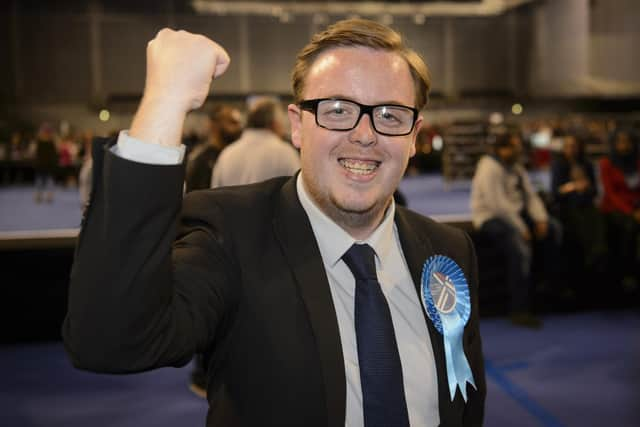
“People have seen this coming for years, but until now, they’ve had no one to speak up for them.
“That’s why Reform UK is surging in Scotland. Voters want action on immigration - not excuses.
“As Nigel [Farage] will set out tomorrow, we have a plan to deport, detain and deter those who see Britain as a free ride.”
A spokesman for the Scottish Government said: “Scotland needs talented and committed people from across the world to live, work and study here without excessive barriers.
“Not only does migration enrich our communities and culture, it is vital for economic growth, public services like the NHS and addressing our population challenges.”
The results of the survey have been published as the UK government announced it plans to overhaul the asylum appeals system to try and cut the number of migrants staying in hotels.
Home Secretary Yvette Cooper said a new independent body would be created. She said she hoped this would stop “unacceptable delays” when those who have their asylum application turned down decide to appeal.

It takes just over a year on average for an appeal to be heard, with 51,000 cases waiting for a decision. While this happens, asylum seekers are accommodated in migrant hotels at the taxpayers’ expense.
Across the UK, around 32,000 asylum seekers are staying in hotels, despite UK ministers pledging to end the use of hotels for migrants in this Parliament. Multiple protests were held nationwide over the weekend outside hotels housing asylum seekers, including in Perth and Westhills.
On Saturday, a group called Abolish Asylum System held a protest outside the Radisson Blu hotel in Perth, carrying banners that read “Perth is full - empty the hotels” and “get them out”.
A counter-protest by Perth Against Racism was also heard, with opponents holding banners that said “no to racism, refugees welcome”.

Councillor Grant Laing, leader of Perth and Kinross Council, denied rumours that further asylum hotels were opening up in the city. Speaking to the BBC’s The Sunday Show, he said he was saddened by the anti-migration protests, stressing everyone should be treated with “respect and humanity”.
“A lot of this in Perth started off two or three weeks ago when there was a claim there was another hotel or two hotels going to be used for housing asylum seekers - completely false,” he said.
“The council speaks to the UK government weekly about what’s happening. There was never any intention or even any application from Mears on behalf of the UK government, for imminently other people coming to and staying in hotels in Perth. It’s the sort of misinformation that happens.”
The tracker produced by the David Hume Institute also revealed Scots were continuing to feel the pressure of the cost-of-living crisis, with family finances coming under further strain.
The poll found 71 per cent of Scots expect the economy to worsen in the next year, and 67 per cent say conditions have already deteriorated over the past 12 months. A further 53 per cent have reduced all but essential spending, and 51 per cent have had to cut back on leisure activities.
Three in ten said financial stress was harming their mental health, and one in six said this was putting a strain on their relationships.
The survey also found food budgets were being reshaped by cost-of-living pressures. A total of 55 per cent said they were cutting back on takeaways and dining out, 49 per cent were shopping based on price rather than health, 26 per cent were reducing their fresh fruit and vegetable intake, and 25 per cent were eating more processed foods.
When it comes to savings, the tracker found 35 per cent of respondents could not save because their income only covered essentials. Only 14 per cent were saving without trying as they earn more than they need day-to-day, the poll indicated.
Mr Edgar said: “This wave of data continues to show how economic pressures are reshaping everyday life in Scotland. From reduced spending and leisure activities to changes in food choices, people are adapting in ways that reflect both constraint and caution.
“We’re also seeing a divide in saving behaviours - many Scots are saving out of uncertainty, while others simply can’t afford to save at all because their income only covers the essentials.”
Susan Murray, director of the David Hume Institute, said: “Too many people in Scotland are struggling with the cost of living, which has long-term consequences for our health, economy and society.
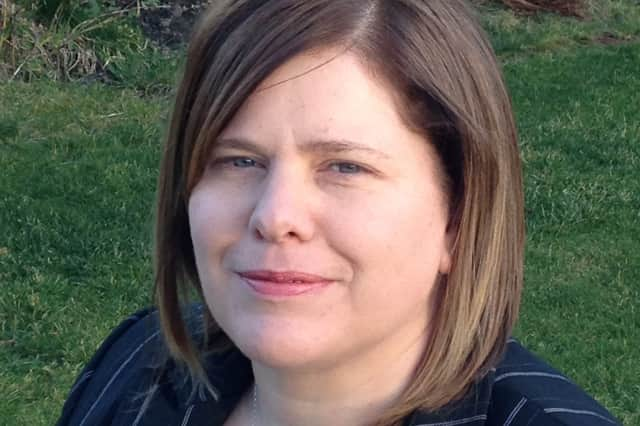
“With the Westminster Budget fast approaching, these numbers underline the precarious reality of life for many households, which poses risks not just for individuals, but the whole of society when so many people have no financial buffer or an emergency or life shock.
“Many will be looking to the Chancellor for hope that their daily struggle will get easier.”
Opposition parties within Holyrood are placing the blame squarely at the door of the SNP Government.
Mr Fraser said: “These findings lay bare the harsh reality of Labour and the SNP’s economic mismanagement, with far too many hard-working Scots struggling to make ends meet.

“Wages are stagnant, taxes are sky-high and their anti-business mindset is hitting households far. For many families, saving even a little each month simply isn’t possible.”
Mr Fraser said the Scottish Conservatives had a “clear plan” to cut taxes by £444 per person on average.
Willie Rennie, from the Scottish Liberal Democrats, said: “This survey demonstrates that the status quo isn’t working for so many Scots. People are feeling let down, tired and frustrated on a whole range of issues.
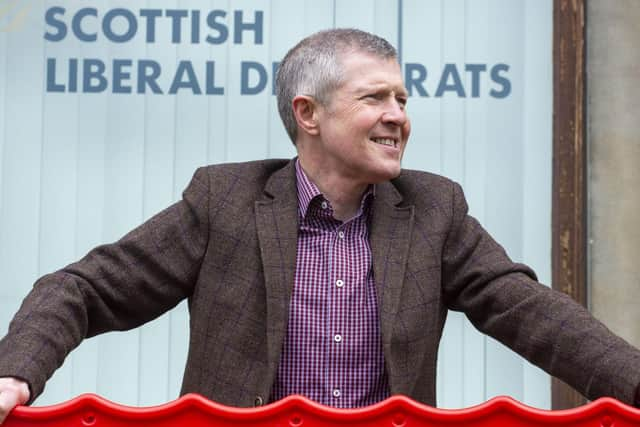
“The SNP have failed to grow the economy and fix the NHS. The Conservatives left our immigration system in tatters, which has only served to undermine public trust.”
A spokesman for the UK Government added: “We’re focused on economic growth in all corners of the United Kingdom, which is why we took the decision at the spending review to invest billions into growing Scotland’s economy.
“From Acorn and GB Energy in Aberdeenshire, to upgrading Faslane and delivering millions for transport infrastructure around Glasgow, we’re taking the steps needed to create jobs and put more money in people’s pockets.”
A Scottish Government spokesman added: “We know cost-of-living pressures continue to be at the front of people’s minds.
“That’s why, over the years, we have delivered council tax that is on average over 30 per cent lower than in England, water bills are currently almost 20 per cent lower than in England and Wales, and income tax that is also lower for a majority of workers in Scotland.
“Prescriptions, eye examinations and bus travel for over 2.3 million people are free, students pay no tuition fees and families with young children receive a package of early learning and childcare support worth more than £6,000 for each eligible child each year, and to give people even more help, we are also removing peak rail fares from next week.
“Together, this is our cost-of-living guarantee, which is delivering real savings for hard-pressed households across the country, and which goes further than any package offered in the rest of the UK.”
Comments
Want to join the conversation? Please or to comment on this article.