
How Scottish Greens are set to cause First Minister John Swinney another headache

SNP ministers look poised to push ahead with rent controls despite fears over soaring rents.
John Swinney faces an early policy headache after his Government finally acknowledged that Scotland is in the midst of a “housing emergency”.
Mr Swinney has stepped into the Bute House hot seat after the Scottish Government cut around £200 million from its affordable housing programme – a decision SNP ministers blame squarely on Westminster and the cut to financial transactions. But the optics look bad for the new leadership.
Mr Swinney’s Government was essentially forced into declaring a housing emergency last week due to Holyrood arithmetic and pressure from Labour.
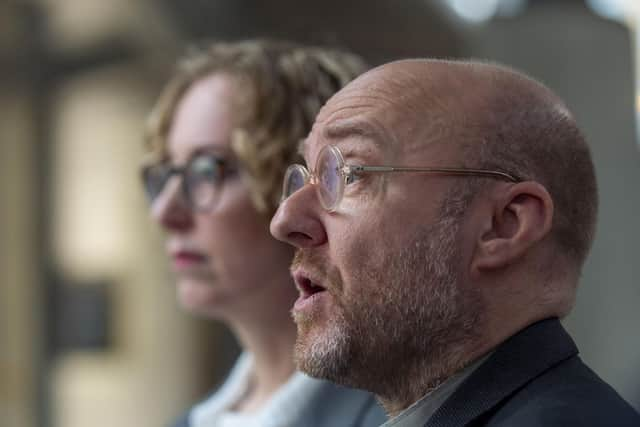

The First Minister has been clear that he is shifting the SNP Government back to the “moderate centre left” of politics amid a perception the Bute House Agreement with the Scottish Greens was shifting policies too far to the left.

Amid the newly-declared, but long-standing housing crisis, Mr Swinney’s Government has a key decision to make over proposed rent controls.
It comes after analysis revealed rents in Scotland have soared higher than other parts of the UK. Some within the industry, unsurprisingly, have blamed this on Greens co-convener Patrick Harvie’s temporary rent caps – with a suggestion the loophole of new tenancies is hiking up costs even higher than other parts of the UK.

Office for National Statistics (ONS) data shows that since the rent controls were first introduced, average monthly private rents in Scotland have soared from an average of 16.5 per cent – from £813 to £947 – with rents in Edinburgh and Glasgow increasing by more than 20 per cent.
Speaking in Holyrood on Tuesday, Mr Harvie warned the statistics did not give the full picture, but stressed “between tenancy rent increases are too high”.
But the former minister insisted that it would be “utterly perverse to use that as a justification to remove protection from those in-tenancy increases from the rent control proposals in the Housing Bill”.
Tory housing spokesperson Miles Briggs pointed to previous warnings about controls causing “higher rents and a loss of supply”. He said: “Rent controls have been a disaster for tenants by decimating the housing market and pushing up rents in Scotland.”

The temporary rent caps, first proposed during the pandemic, finally expired on April 1 – so there may be a need felt to bring in a more permanent solution, as proposed, quickly.
Those rent cap plans, which could restrict increases of up to five years, are going through the Holyrood system and reversing them or watering them down would send a message to a vocal industry the Bute House Agreement has been well and truly shredded. But Mr Swinney’s priority will be ensuring rental costs do not spiral further.
SNP housing minister Paul McLennan has indicated the Scottish Government does not intend to change course.
He warned the ONS data was “based predominantly on newly-advertised rents” and “do not take into account tenancy rent increases”.
“Our housing Bill includes a package of reforms to improve affordability and strengthen tenants’ rights,” he said. “We will continue to work with stakeholders across the sector as we develop a system of rent controls that works for Scotland.”
Comments
Want to join the conversation? Please or to comment on this article.