
Health secretary defends plans to centralise neonatal intensive care

Parents have raised concerns about the potentially deadly impact the plans could have.
Health Secretary Angela Constance has defended plans to centralise neonatal intensive care services in Scotland.
The Scottish Government is pressing ahead with plans to reduce the number of NICUs in Scotland from eight to just three.
It means babies born under 27 weeks gestation or weighing under 800g will have to be transferred to Aberdeen, Edinburgh or Glasgow. Ninewells, Wishaw, Crosshouse and Princess Royal hospitals are due to have their NICU services downgraded.


Ms Constance said it is the right decision to make, despite worries it could lead to the sickest babies dying and families being split apart during a time of crisis.
Speaking to BBC Radio Scotland Breakfast, Ms Constance said: “It is really important that I continue to be very clear of the importance of following clinical advice and expertise.
“The model, I believe, is the right one and well-evidence.
“What I’m also seeing is that the transition to the new model has to be carefully managed to ensure that we have the right capacity and the right skills.”
Lauren Bruce’s daughter Grace suffered a stroke shortly after being born at Ninewells Hospital in Dundee. Had the proposed centralised model been in place, she would have faced a nearly two-hour journey to Aberdeen’s NICU.
She said: “Everything medically speaking was fine - she was born, she cried, and in a matter of seconds it turned.
“We didn’t know she had had a stroke until she was a week old because she was too poorly to go for an MRI.
“Under what they are proposing she would have been transferred to Aberdeen having already had a brain injury no-one knew about, with the risk of another brain injury during transport and neonatal death.”
She added: “My family network was there for me, but I have two older siblings at school and nursery, and Aberdeen is an hour and 40 minutes away.
“I’d also had a C-section so I had my own healthcare to think about too.
“They are wanting to move women and babies around like it’s nothing. We are more than just data, we are real human beings going through the most horrific things possible.”
Lynne McRitchie’s son Innes was born prematurely at just 23 weeks and two days gestation in Wishaw in 2019. Under the centralised model, she would have been transferred to Glasgow.
She said: “We want what’s best for Scotland’s most vulnerable and sickest babies, but we have concerns about babies being transported post-delivery.
“That increases the chances of a brain injury or possible death.”
She said the Queen Elizabeth University Hospital is often almost 13 per cent over capacity, leading to “poorer outcomes and deaths”, and said deaths increase by 55 per cent when units hit 100 per cent capacity.
Ms McRitchie added: “While there are as many good potential outcomes for babies, there are just as many safety concerns.
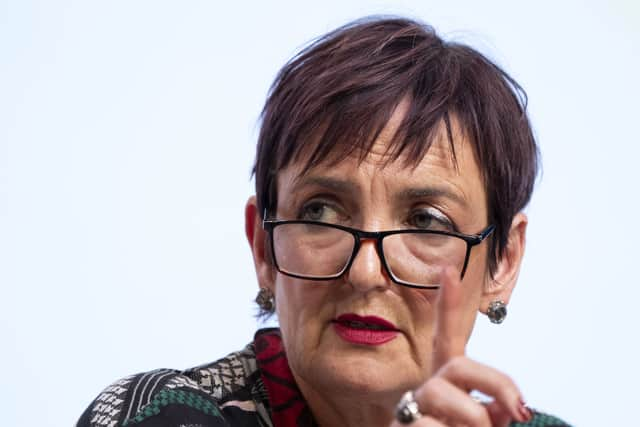
The health secretary acknowledged the concerns raised about the need to travel, but said the new model of just three NICUs has the best possible outcomes.
She said: “I understand that people want to be near their babies, they want their babies to have the best prospects.
“What the evidence also tells us is that clinical care for these smallest babies, if they are in units where there is the highest level of expertise around intensive care, that there are the right facilities for surgery, perhaps life-saving surgery, with important family support services.
“That improves prospects for the sickest babies who need multiple, complex intensive care.”
Comments
Want to join the conversation? Please or to comment on this article.