
Guga Hunt: Decision to ban controversial cull deferred to next parliament

Over 85,000 people have signed a petition to ban the culling of gannets on the island of Sula Sgeir
A decision on whether to ban the controversial Guga Hunt has been left for whoever wins the Holyrood election in May to deal with.
Over 85,000 people have signed a parliamentary petition to get the Scottish Government to amend the Wildlife and Countryside Act 1981 to stop licences being granted to cull gannets on the uninhabited island of Sula Sgeir, 40 miles off the coast of Lewis.
Thousands of gannet are killed annually for their meat during the Guga Hunt, which takes place over two weeks every August. It is a tradition that dates back to the 15th century.


In 2025 NatureScot approved a licence for the last surviving hunt of young seabirds in Scotland, but limited the cull to 500 birds. Normally licences allow for the culling of 2,000 birds, but it was restricted to allow the gannet population to recover after a bird flu outbreak.
Licences had not been granted for the previous three years due to bird flu.
Opponents of the Guga Hunt say catching and killing the birds is “barbaric”. Defenders say it is part of island heritage and no more cruel than grouse shooting.
Wildlife photographer Rachel Bigsby, who submitted the petition, said: “The annual Guga Hunt is no longer tradition - it is blood sport.
“This abhorrent cruelty dates back centuries, when island communities relied on seabirds for food, but today it is not a necessity.
“Despite catastrophic losses from avian influenza and unimaginable daily threats, the hunt continues.
“After surviving a winter at sea, gannets return to our shores to raise one precious chick with a lifelong partner. After months of devotion, that chick is snatched, clubbed and strangled in its prime.
“I beg the Scottish Government - end this cruelty, protect gannets, and let them recover.”
Gemma Lawrie, who lives on the Isle of Lewis, has submitted a letter against this petition, and said: “We have been doing this for hundreds of years so that the older generation have food to eat.
“What you call ‘tradition’, I call the island way of living.”
She said a ban on the Guga Hunt would “ruin the Scottish island culture” and is “taking something from an island’s history”.
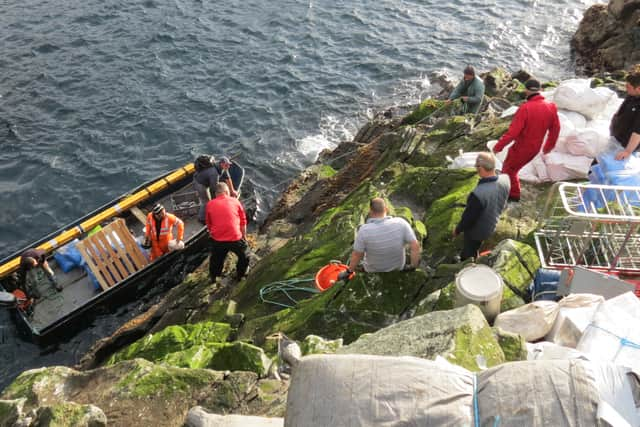
Ms Lawrie added: “Seeing what we do as cruel and barbaric is just a lack of culture and understanding.
“The people who have signed this petition, some haven’t been to the island and don’t know how hard it can be sometimes.
“So instead of getting information from a graphic and violent cartoon on social media platforms, as well as videos from individuals who don’t know the struggles of living in Lewis, research it yourself and have a better understanding.
“If you haven’t, you should not say anything without facts.”
Holyrood’s petitions committee initially decided “with some reluctance” to close the petition down, saying there was not enough parliamentary time left to properly consider it before the May election. Only a small number of petitions are allowed to remain open and be handed over to the next parliament.
However MSPs on the committee said the petition “warrants further consideration” and at the last minute decided to keep the petition open, saying “it’s not a defeat, it is a deferral”.
The Scottish Government has previously told the petitions committee it does not intend to amend the Wildlife and Countryside Act 1981 to ban the Guga Hunt.
OneKind has previously given evidence in support of this petition to the Scottish Parliament, and said it is pleased the petition has been kept open by MSPs.
Jason Rose, CEO of OneKind, said: “The hunt is an outdated and inhumane practice that is completely unnecessary in this day and age.
“The continued killing of baby gannets is only permitted because of an archaic legal exemption in Scotland’s wildlife legislation, despite clear ethical concerns and widespread public abhorrence.”
Comments
Want to join the conversation? Please or to comment on this article.