
Exclusive:'Do not cut our funding': Mental health charities plea with Scottish Government support in upcoming budget

The Scotsman speaks to metal health charities about how they are filling the gaps caused by long NHS waiting lists.
Mental health charities are pleading with the Scottish Government not to cut their funding in next year’s Budget.
Funding for mental health services increased in the 2024/25 Scottish Budget, but those working in community-based charities say they are worried that turbulent economic conditions could see them losing out on vital funds.
Darren Sayer is operations manager at Penumbra, which supports people with mental health issues across Tayside.
He said: “Because of NHS waiting times, people are seeking out solutions for themselves.
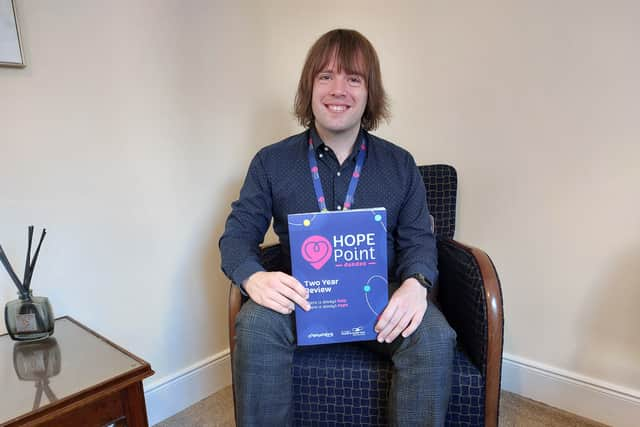

“In Dundee, we’ve just seen 2,061 people in our first two years and had over 10,000 individual contacts, so we are a really busy service because there are no waiting times.
“We are all facing the squeeze in this economy, but it is particularly affecting the third sector and there is a worrying trend of funding being cut or limited.
“I would like to see more investment in the third-sector services because this is such a big deal across Tayside.”
His colleague Abbie Ellis is a mental health and wellbeing practitioner, who herself has depression and anxiety, and is waiting for a diagnosis for complex PTSD. She has her own experience of accessing third-sector support after being told she could wait up to 51 weeks for an NHS psychologist appointment.

She said: “It is definitely getting better, but the NHS does not bridge the gap - these third-sector services are the ones bridging the gap. I am good at regulating my emotions, but there are times where I do have to access third-sector services.”
Louise McQueen works at The Neuk in Perth. She said: “Life and society has changed incredibly over the years and we are all now a product of this new world. There are more third-sector organisations opening up to fill the gap when there is nothing coming from clinical services, but there is still not enough.
“We are getting really good results by offering trauma counselling. But what doesn’t get good results is getting an NHS psychology appointment six months after feeling suicidal, and then getting an appointment once every three or four months - that is not working.

“The Government is taking mental health seriously, but when it comes to funding different services, there needs to be more of a focus on the third sector.
“We are taking the pressure off of the NHS and bridging that gap and should be considered a bit more when it comes to funding.”
Ms McQueen said consistent funding would also relieve some of the pressure on the staff working in the third sector. She claimed these staff were worrying about their job security, as well as about the trauma from their clients.
Charlotte Nairn is a senior support worker for The Lighthouse, which works out of the same building as The Neuk and supports youngsters between the ages of 12 and 18.
She said: “The waiting lists for CAMHS [Child and Adolescent Mental Health Services] are shut at the moment because so many people were being put through. We are not medical, but we are able to work with young people in crisis who cannot sit waiting for support.

“I am a big believer in early intervention and I believe mental health should be part of the school curriculum. I’ve never used Pythagoras’s theory in my life, but I have experienced break-ups, friendships and grief.
“We need to focus on tooling young people with the skills they need to manage their emotions when life hits.”
The comments came as Mental Wellbeing Minister Tom Arthur visited The Neuk to hear about the work third-sector organisations were doing to support mental health within the community.
He told The Scotsman progress was being made, and claimed this was down to Government investment rather than limiting the number of people being referred to specialist treatment.
Mr Arthur said: “With CAMHS, we have seen three consecutive quarters of national standards being met and that is down to the significant investment and effort being made.
“There has been an increase in mental health resources despite the demand we are seeing. Since 2021, we have made an £81 million investment in community mental health and wellbeing and over the past number of years there has been funding for the third sector. We recognise the important role they have in mental health, but we will have to wait for the outcome of the UK Budget, which will have consequential impacts.”
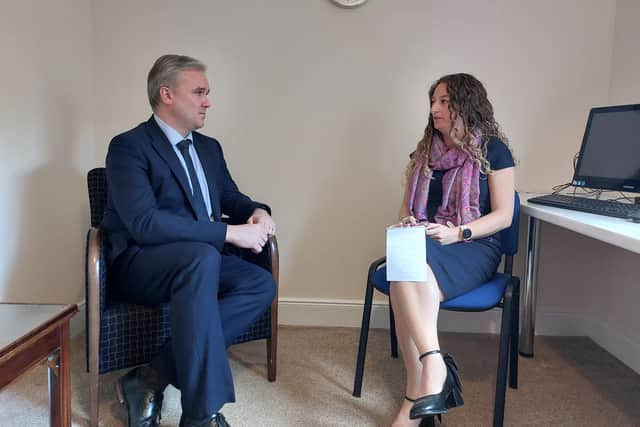
Mr Arthur’s ministerial visit coincided with the publication of statistics, which suggest there has been an 11 per cent fall in the number of probable suicides.
The latest figures show there were 704 probable suicides in Scotland in 2024 - the lowest number since 2017.
Mr Arthur said: “These figures remind us of how vital it is to support those who are struggling with their mental health.
"Every person lost to suicide is someone’s loved one and when someone takes their own life, the impact on everyone around them is devastating. My sympathy is with all those affected by the loss of a family member or friend through suicide.
“The decline in the number of probable suicides is encouraging, but we will not be complacent. Our aim is for anyone, regardless of age, who has thoughts of taking their own life, or is affected by suicide, to get the help they need.”
Comments
Want to join the conversation? Please or to comment on this article.