
Digital ID: What does Keir Starmer's U-turn mean for Scots?

The UK Government said it remains ‘absolutely committed’ to digital right to work checks.
The UK Government has dropped its plans for mandatory digital ID after furious backlash from opposition parties and the public.
Government ministers say they are still “absolutely committed” to mandatory digital right to work checks, but it will now only be optional to sign up for digital ID.
We have taken a look at what this means for Scots.
What was the plan?
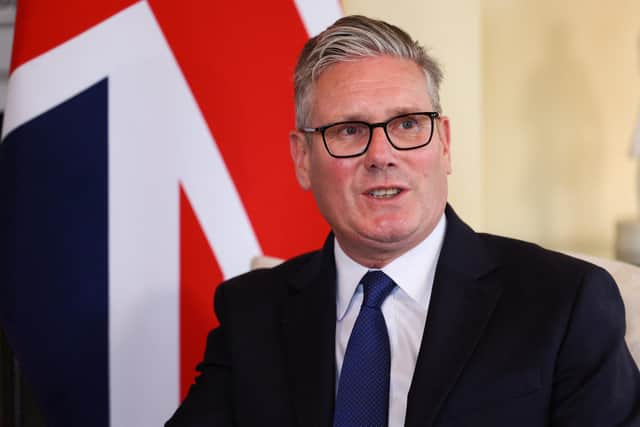
Last year Prime Minister Sir Keir Starmer made the announcement in a bid to crack down on illegal working.
He said: “You will not be able to work in the UK if you do not have digital ID. It’s as simple as that.”
The move was widely panned, and over 3 million people signed a parliamentary petition opposing the idea.
This is just one of a number of U-turns the UK Government has made since coming into power in 2024, including climbdowns on welfare reforms, reducing winter fuel payments and inheritance tax for farmers.

What happens now?
By 2029, right to work checks will be done digitally, for example by using biometric passports. However, registering for the government’s new digital ID programme will be optional rather than mandatory.
The government will emphasise the benefits of digital ID in helping people to access public services and try to shift away from the focus on immigration.
Since 2022 employers have been able to do checks on British and Irish citizens who have passports by using digital verification services certified by the government. There is also an online Home Office scheme to verify the status of some non-British or Irish citizens, if their immigration status is held electronically.
A UK Government spokesperson said: “We are committed to mandatory digital right to work checks.
“Currently right to work checks include a hodge-podge of paper-based systems with no record of checks ever taking place. This is open to fraud and abuse.
“Digital ID will make everyday life easier for people, ensuring public services are more personal, joined-up, and effective, while also remaining inclusive.”
What have opposition parties said?
This was a hugely unpopular policy, so the U-turn has unsurprisingly been widely welcomed.
UK Conservative leader Kemi Badenoch said: “Good riddance. It was a terrible policy anyway.”
The Lib Dems said the policy was “doomed to failure” from the start and now say the “billions of pounds earmarked for their mandatory digital ID scheme” should instead be spent on the NHS and frontline policing.
Reform UK leader Nigel Farage said: “This is a victory for individual liberty against a ghastly, authoritarian government. Reform UK would scrap it altogether.”
First Minister John Swinney said: “I welcome the decision that the Prime Minister has come to to abandon what I thought was a foolhardy scheme of compulsory ID cards.

“I thought it was flawed from the beginning and I’m glad the Prime Minister has now acknowledged that point.”
He added: “I think the point of consistency that is now emerging from the Prime Minister is he’s always changing his mind.
“I think this is about the 13th U-turn that the Prime Minister has undertaken, so I think it’s just another illustration of why people are supporting the trusted leadership of the SNP government here in Scotland, because we deliver what we promise.”
Comments
Want to join the conversation? Please or to comment on this article.