
'Deeply sad' to see 'reversal' of 100 years of progress as fewer women elected to Holyrood

The number of women elected to Holyrood has slipped slightly since the last election
Fewer women have been elected to the Scottish Parliament, with just 56 females among the 129 new MSPs elected to Holyrood.
The figure is two fewer than in 2021, when a record 58 women were voted in.
Campaigners branded the situation “deeply sad”, saying it indicated a reversal of 100 years of progress in women’s representation in politics.
The new cohort of MSPs also includes two transgender MSPs, with one, Dr Q Manivannan, identifying as non-binary, according to the Scottish Parliament website, which also lists 56 women and 72 men. Iris Duane, also of the Scottish Greens, is a list MSP for Glasgow.
The figure is the second highest in the history of the Scottish Parliament. In 2016 and 2011, there were just 45 female MSPs. The third highest number came in 2002, when there were 53 women in Holyrood.
Annabel Mullins from the campaign group Elect Her said it was “deeply sad” to see the proportion of female MSPs drop.
She said: “From Elect Her’s perspective, we weren't surprised by these results. We were anticipating this decline, but that doesn't mean that in any way we're happy about it.
“It's deeply sad to see that after 100 years of progress, we are starting to see a reversal of women's representation and that is about the context repeatedly, of not seeing systemic change in parties and how they do their processes.”

She added: “I think there is often a view that, ‘Oh, we've done all right this time - as in 2021 in Scotland - and then they kind of let things lie. And we know because of online harm, party processes and procedures, a lack of willingness to investigate properly, tolerance for behaviours that are really inappropriate, women are less keen to be involved, for many reasons.”

The proportion of women elected differed between parties.
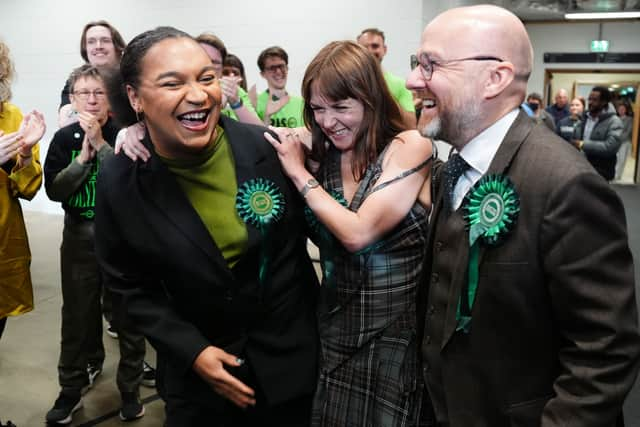
The Scottish Greens elected the highest proportion of female MSPs, with women comprising two thirds of their cohort.
SNP, Reform and Scottish Labour had 46 per cent, 41 per cent and 41 per cent respectively. Meanwhile, the Scottish Liberal Democrats have just 30 per cent female MSPs in Holyrood and the Scottish Conservatives have just two out of their 16 seats held by women, 16 per cent.
This year’s election saw a number of high profile women step down from politics, including former First Minister Nicola Sturgeon and former Deputy First Minister Kate Forbes, who has a young daughter and said she did not want to “miss any more of the precious early years of family life".

Recent Scotsman analysis found only 35 per cent of the candidates standing for election in Scotland this year were women. Figures showed just 363 of the 1,029 candidates standing for election across the country on 7 May identified as female.
There were a number of constituencies where no female candidate stood, including: Cumbernauld and Kilsyth; East Lothian and Lammermuirs; Glasgow Anniesland; Na h-Eileanan an Iar; Orkney; and Renfrewshire West and Levern Valley.
Ms Mullin added: “We can see when parties do invest in this, whether it's the Conservatives when they invested in an all-women shortlist, whether it's Plaid Cymru when they invested in quotas, Labour did the same, you can see the results of that behaviour, and it's so clear and tangible that you don't get this walking back of 100 years of progress.”
Comments
Want to join the conversation? Please or to comment on this article.