
Anas Sarwar opens door to ending Scotland-England tax divergence in dig at SNP 'performance'

The Scottish Labour leader has hit out at the SNP’s tax strategy.
Scottish Labour leader Anas Sarwar has suggested he would move to end the tax divergence with the rest of the UK if he becomes first minister.
Mr Sarwar has accused SNP ministers of “government by performance” over their higher tax regime for the super-rich, but risks being faced with less money to spend on public services if he does cut tax.
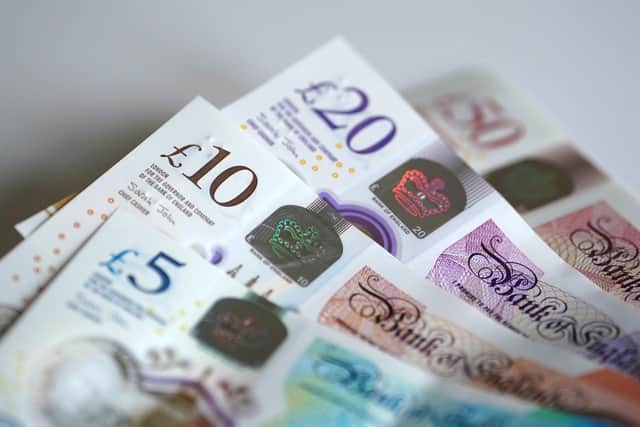

The Scottish Government’s top rate of tax - 45 per cent - comes in at earnings of £75,001, while those reaching £125,140 face a 48 per cent levy.
In the rest of the UK, the top rate of tax is 45 per cent and only comes in when earnings reach £125,140.
Speaking to the Scottish Sun on Sunday, Mr Sarwar said: “Any government with analysis showing 90 per cent of what it says it’s going to raise is actually going to be lost due to behavioural change, and they still go ahead, is not a serious grown-up government.
“That is government by performance. They think they are playing a game, but they are actually playing with people’s lives and livelihoods.”
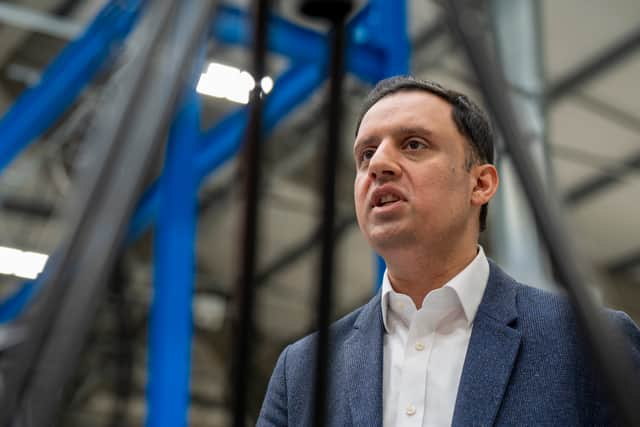
Mr Sarwar’s position could anger trade unions who have welcomed higher earners being targeted for tax increases. Unions have called for his Labour colleagues at Westminster to introduce a wealth tax, which could then be adopted by the Scottish Government.
The Scottish Labour leader said: “You have to have a much more honest conversation about what is actually happening in Scotland. We don’t have the breadth of that so-called super wealth to do the things we need to do to fix our economy.
“That can only come from attracting investment, private and public, and also foreign direct investment, and it means having a growth-first agenda.”
Concerns have been raised over whether the higher tax rates for the super-rich in Scotland have brought in more funding for Holyrood.
Research by the Institute for Fiscal Studies (IFS), published last year found the Scottish Government’s strategy of increasing the top rate of income tax “may have reduced revenues”, but warned “significant uncertainty remains”.
A spokesman for SNP Finance Secretary Shona Robison said: “In Scotland, people on lower incomes pay less and we ask those on higher incomes to pay a bit more.
“That gives us more money for public services and, despite what Mr Sarwar says, the most recent research found thousands more taxpayers moved to Scotland than left in 2017/18 and 2021/22.”
Comments
Want to join the conversation? Please or to comment on this article.