
Ambulance staff being 'pushed beyond breaking point' as 2.7m hours of overtime revealed


A warning has been issued that the ambulance service is being “kept afloat” by staff overtime
Scottish ambulance staff have worked more than 2.7 million hours of overtime, costing taxpayers almost £74 million - with concerns raised the pressures are “pushing already exhausted staff beyond breaking point”.
The statistics come amid separate analysis of cancer waiting times showing patients waited a year for treatment to begin and a warning from a senior doctor that “the Scottish NHS is struggling to provide the care patients need, when they need it”.
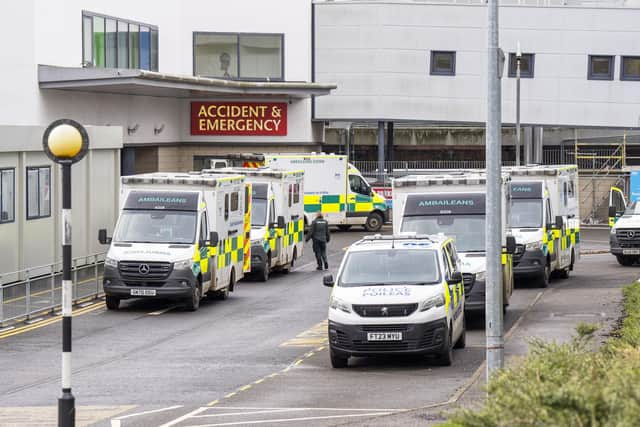
New statistics revealed under freedom of information legislation, showed 2,718,922 hours of overtime were worked by paramedics, ambulance technicians, care assistants and specialist nurses between 2020 and 2024.
The figure peaked in 2022, when 581,155 overtime hours were worked. While 2023 was the highest year for overtime spend, costing just shy of £15.7 million.
Figures for 2023 and 2024 also assess how many required hours in the ambulance service are filled by staff working overtime. For those years, the proportion was 24 per cent and 23 per cent respectively.
Services ‘kept afloat’ by overtime
Scottish Conservative health spokesman, Dr Sandesh Gulhane, said the situation was “completely unacceptable”,and claimed the ambulance service was being “kept afloat” by overtime.
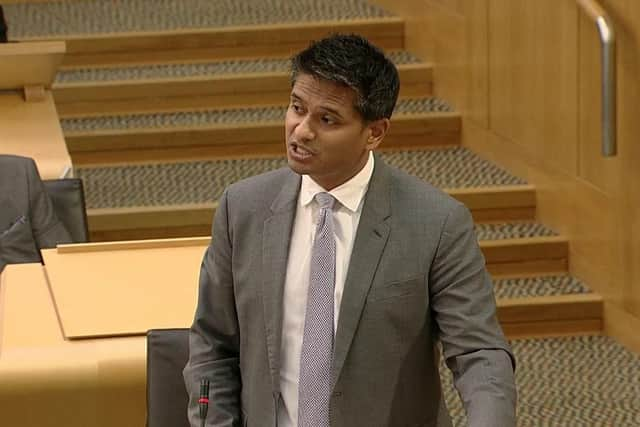
He added: “This will be pushing already exhausted staff beyond breaking point and is completely unsustainable.
“Relying on overstretched staff to plug gaps in shift will be putting staff as well as patients at serious risk.
“Ambulance crews have been left dangerously understaffed because of years of dire workforce planning by successive SNP health secretaries who are clueless to the scale of the emergency facing them.”
The NHS, Dr Gulhane said, is in a “state of permanent crisis”.
A spokesman for the Scottish Ambulance Service said: “Our staff do a fantastic job helping patients and saving lives across Scotland each and every day.
“To support them, over the last three years, we’ve recruited a record 1,388 staff, introduced 52 additional ambulances, aligned shift patterns to meet patient demand and expanded into 10 new locations as part of our demand and capacity programme.
“Since the recruitment of the additional staff we have seen a reduction in total overtime hours despite significant issues at some hospital sites in relation to turnaround times.
“As with all ambulance services across the UK, we offer overtime to boost shift cover during periods of increased pressure and high demand, and we continue to monitor spend.”
Long cancer waits revealed
Separate analysis from the Scottish Lib Dems has revealed the longest waits for first treatment of cancer, with patients waiting up to a year.
The party analysed waiting times from an urgent referral with suspicion of cancer to first treatment for patients in every health board - with an NHS Lothian patient forced to wait 393 days for treatment in the quarter ending March 2025.
In the same period, patients in Grampian, the Borders, and Dumfries and Galloway waited 11 months for treatment to begin.
Between the quarter ending March 2015 and March 2025, the longest wait in NHS Borders has more than quadrupled, increasing from 76 days to 343 days.
READ MORE: Scotland cancer waiting times hit worst level on record as 'appalling' NHS figures published
Over the same period, the longest wait in NHS Dumfries & Galloway has more than trebled, from 99 days to 347 days and since March 2015, the longest waits in NHS Ayrshire & Arran, NHS Orkney and NHS Shetland have more than doubled.
Last month, SNP Public Health Minister Jenni Minto admitted that people could be dying as a result of later cancer diagnoses.
Scottish Lib Dems leader, Alex Cole-Hamilton, said: “All across Scotland, the SNP government isn’t giving cancer patients the best chance of survival. These statistics show huge increases in waiting times to begin treatment after an urgent referral with suspicion of cancer, stretching up to a year.
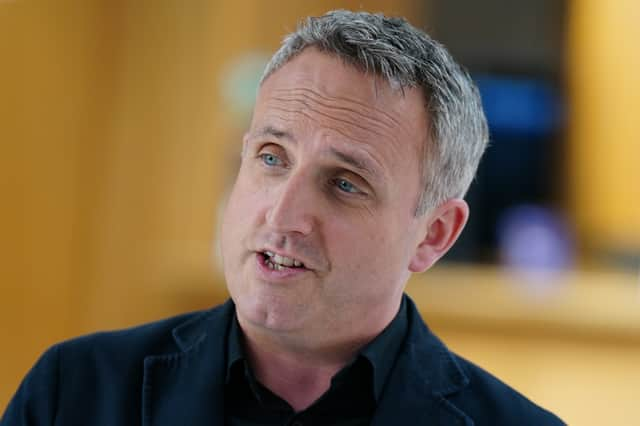
“International studies show Scotland falling behind. The fact that SNP ministers are now admitting that their failures may have caused people to die shows just how badly they have got this wrong.
“Access to screening programmes, diagnoses and treatment is a postcode lottery across the country.”
NHS ‘underinvestment’ fears
Dr Alan Robertson, chair of BMA Scotland’s consultant committee, said the “worrying statistics” reflect “our continued warnings about how badly the Scottish NHS is struggling to provide the care patients need, when they need it”.
He added: “At the heart of this are years of underinvestment and a consistent failure to plan for the future, which means the NHS in Scotland is struggling to deliver what is required with current resources. We know there are still more than 1,000 WTE consultant vacancies across Scotland, and so this raises questions about how these types of waits will be tackled when there are not enough consultants to keep up with current demand.
“Unfortunately there is no overnight solution, but steps must be taken now to value and retain the doctors the NHS does have, as part of finally drawing up a proper long term workforce plan for the NHS. Without that plan, and urgent reforms, there is little chance of waiting times like these improving anytime soon.”
SNP Health Secretary, Neil Gray, said: “We know that some people are still waiting too long to begin their cancer treatment, and that is not acceptable. We are determined to improve waiting times and ensure everyone gets the timely care they deserve.
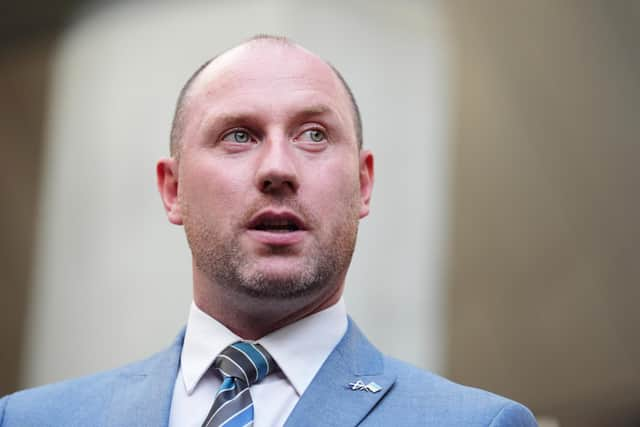
“It’s disappointing that the 31-day standard was narrowly missed this quarter. However, performance has remained steady at around 95 per cent since the pandemic. The median wait for treatment is three days, and the median wait from urgent suspicion of cancer referral to treatment is 52 days, demonstrating the extensive work by staff across Scotland to treat people as quickly and effectively as possible.
“We are treating more patients with cancer on time, within both standards, compared to the same quarter six years ago – 7.7 per cent more within the 31-day standard & 0.1 per cent more within the 62-day standard.”
“We have directed £14.23 million of the £106 million in additional planned care funding for 2025/26 to cancer waiting times, with a focus on colorectal, urological and breast as our most challenged pathways.”
Comments
Want to join the conversation? Please or to comment on this article.