
Football pitch could become cemetery as Falkirk Council area runs out of burial space

The Falkirk area is fast running out of spaces to bury people and, with most of its cemeteries full, it is looking at options for the future.
One proposal is to take over a former football pitch as a cemetery extension, while there are also plans for new cemeteries across the district.
But the plans come at a price and it looks certain that the cost of burials and cremations will have to increase to bring in the investment needed for the work.
Council officials have produced the district’s first ever Bereavement Strategy which reveals that the Falkirk area will run out of new burial lairs in 13 years time unless action is taken quickly.
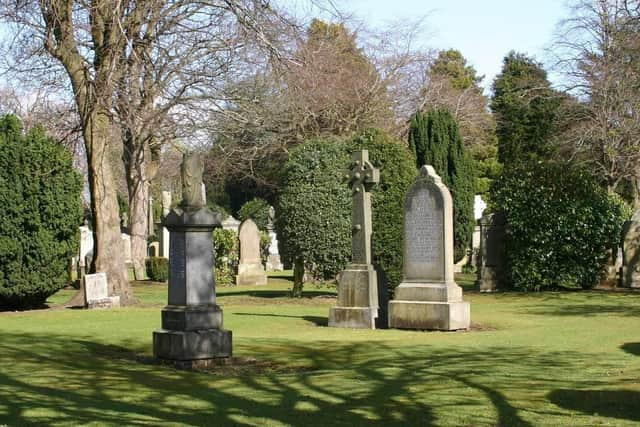

The detailed 10-year plan presents a range of options to expand capacity as well as deliver a sustainable burial and cremation service, that is accessible to all.
It will be considered by elected members at an executive meeting on Thursday, November 6.
Officers have highlighted current cost pressures, projected demand, and options to secure future burial space, use land efficiently and support low-income residents with dignified options.
The strategy highlights the challenges facing burial provision locally, including limited remaining capacity across many sites and increasing costs linked to maintenance, regulation, and infrastructure. Of the 29 cemeteries owned by the council, only nine remain operational with 20 now at full capacity.
Around 860 burials and 1600 cremations are carried out each year in the Falkirk Council area.
To ensure there is space for future generations, the strategy identifies opportunities to extend or adapt existing cemeteries and to create new sites where needed.
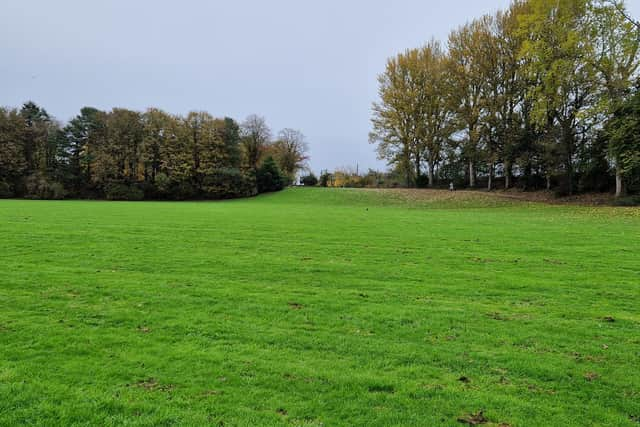
To extend the area’s largest cemetery in Camelon, officers propose an extension on land at Stirling Road. Previously used as a football pitch, it is anticipated that it would provide space for over 1800 new lairs and should provide capacity in the cemetery for an additional 36 years.
Consultants are currently working on plans which, if agreed, could see the new extension in use within three years.
Feasibility studies for new cemeteries in Bantaskine Estate and in Denny to the north of Broad Street and the high school.
In Airth it is proposed to remove an area of hardstanding to provide space for 50 more lairs; in Hills of Dunipace remove one car park and reduce the size of another to give 200 additional lairs; in New Carriden, Bo’ness, use land previously held for a road into a housing development to give 220 lairs; and in Polmont the use of the church car park is being considered after Polmont Old Church closes.
The report states these developments would take account of strict environmental and planning requirements and be designed with sustainability in mind.
The strategy also promotes a “greener” approach to cemetery management, with measures such as replacing hardstanding with grass and introducing selective rewilding in older cemeteries. These steps will support biodiversity and reduce carbon emissions as part of the council’s wider work on climate change.
Councillors will also be asked to consider proposals for a new pricing structure to help contribute towards this investment, manage rising costs and reduce the budget gap.
This approach was endorsed during a public consultation in which nearly two-thirds of respondents supported increases in fees to maintain and improve local provision.
The cost of adult burials in Falkirk are currently the sixth highest in Scotland, while the purchase of a lair and the cost of cremation are both ninth highest.
Following this feedback, councillors will be asked to look a list of potential increases to be introduced from next April with the recommended option introducing a 12.5 per cent increase.
The council said this approach would help fund essential maintenance, new cemetery development, and environmental improvements, while keeping costs below the highest rates charged elsewhere in Scotland.
The strategy also makes a commitment to continue to offer lower cost funeral options, such as direct cremation and that separate burial space for different faith groups will be maintained.
Malcolm Bennie, director of place services, said: “This carefully considered strategy brings together long-term planning for a sensitive but essential service.
“It sets out how we can manage existing sites, plan for future need, and continue to provide respectful, sustainable burial and cremation options for local people.
“It is now for the executive to consider the proposals and decide what is the most appropriate future approach for bereavement services in the Falkirk Council area.
"If approved, progress on delivery of the strategy would be reported back to councillors in 2028.”
Comments
Want to join the conversation? Please or to comment on this article.