
Wildfires Scotland: Death forecast within 20 years, and it is up to rural land owners to face the threat
Wildfires are only going to get worse and more frequent in Scotland, writes estate owner Jamie Williamson.
Global warming has increased the incidents of wildfires in the world.
Globally wildfires are now estimated to be the biggest contributor of greenhouse gas emissions into our atmosphere after the burning of fossil fuels. The frequency and intensity of extreme wildfires is predicted to increase by the end of this century. This is already happening in rural Scotland.


Warmer, wetter winters combined with warmer summer months is resulting in more vegetation growth. A build-up of rank and dead vegetation is adding to fuel loads where it is not managed by herbivores or human intervention.
There are far less herbivores grazing our uplands than in previous centuries. Horses, cattle and goats no longer graze our hills, sheep numbers have reduced, and deer reduction culls and a decline in the mountain hare population has prevented wild herbivores replacing domestic and feral livestock.
Scotland’s woodland cover has increased from 4.5 per cent of our land area in 1905 to over 19 per cent today. The fuel to feed wildfires in parts of rural Scotland has never been so high.
The two largest wildfires ever recorded in the UK prior to 2023 occurred in Scotland in 2019. The first in Morayshire in immature forestry, the second on or adjoining a nature reserve near Forsinard in Sutherland where livestock had been removed and regular controlled burning abandoned.
Wildfires that occur when underlying peat is relatively dry can burn into and destroy the peat. The wildfire near Forsinard in 2019 covered 22 square miles (5,700 hectares) - it burnt down into the peat. Around 700,000 tonnes of CO2 equivalent was released into the atmosphere.
In May 2023, a wildfire near Cannich on and around the Corrimony Nature Reserve covered 28.6 square miles (7,400 hectares).
This year by the end of April, the area consumed by wildfires in the UK was another record, with more than 113 square miles (29,200 hectares) burnt.
The fire at the end of June between Carrbridge and Dava Moor in Morayshire covered 45.7 square miles (11,826 hectares). This year will see more rural land consumed by wildfires in Scotland than ever previously recorded.
Wildfires can be devastating to wildlife and our rural economy. To grow Scots pine to maximise timber production can take 80 years, to grow oak for whisky barrels can take 120 years.
A wildfire or windblow when the trees are still immature can destroy decades of investment, along with wildlife and habitat. It is still possible to insure woodland, livestock and crops against wildfires, but with an increase in these events, insuring against these occurrences may no longer be an option.
We have already seen this happen elsewhere in the world. In Scotland, there has so far been no loss of human life. A member of the Portuguese fire service has predicted this may happen in Scotland within the next 20 years as wildfires become more extensive and intensive.
Future investment in our countryside to provide farm and forest products, along with houses and other structures, will depend on how we mitigate the risks from wildfires, windblow and flooding.
The Scottish Fire and Rescue Service is struggling to cope with building fires and road traffic accidents. Rural businesses need to work together and invest more to mitigate the damage caused by such events.
Modifying farm and forestry equipment and training staff to tackle wildfires when they occur can be a more cost-effective than government having dedicated equipment and staff available when wildfires occur. More fire breaks, vehicle access and management of fuel loads through herbivore grazing and controlled burning is essential to ensure investment in rural Scotland will not be destroyed before it can provide a return.
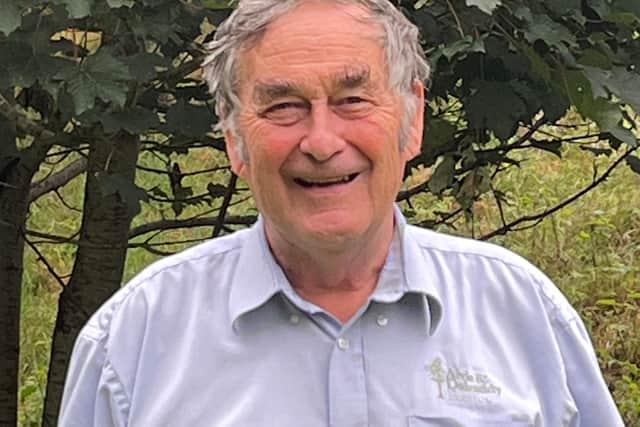
- Jamie Williamson is the owner and manager of Alvie & Dalraddy Estates.
Comments
Want to join the conversation? Please or to comment on this article.