
NHS Fife: You have to trust the journalists reporting on the Sandie Peggie v Dr Beth Upton case
Disinformation spreads so fast on social media - the journalists on the ground need to be the ones people trust.

For the past few weeks I have been watching the Sandie Peggie and Dr Beth Upton employment tribunal blow-by-blow.
The interest in this story is off the charts. I have never seen interest like this before in a story.
People from as far away as Australia were following The Scotsman’s live blog. Even a visit from US President Donald Trump could not knock this story off the ‘most read’ top spot day in, day out.
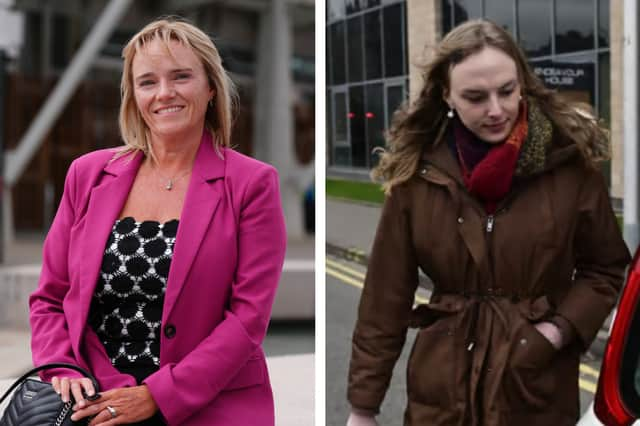

But there was one thing I noticed time and again from the viewing public. If something happened at the tribunal the public did not like, the blame got placed on the newspapers and their journalists.
I saw numerous social media comments saying “you can’t trust what the newspapers are saying”, or “don’t believe everything you read in the papers”.
Only a few dozen people had access to this tribunal first-hand, either in person or via a closely-guarded livestream. Most of these people were either supporters on one side or the other, and therefore biased, or journalists.
The journalists reporting on this story were the ones who were actually there, able to see and hear what was happening as it was happening. You have to trust us on this one.
Earlier in the year NHS Fife sought a court order to restrict viewing of this tribunal to accredited media only, and attempted to revoke access for the social media account Tribunal Tweets.
This bid ultimately failed - open justice is, of course, a vital part of our justice system. But HM Courts and Tribunal Service were still very particular about who they gave access to.
Back in 1787 Thomas Jefferson said: “Were it left to me to decide whether we should have a government without newspapers, or newspapers without a government, I should not hesitate a moment to prefer the latter.”
As our fourth estate, the media plays a crucial role in maintaining a fair and democratic society. Journalists provide more than just giving people something to read or watch - it is why journalists were classed as essential workers during the coronavirus lockdown.
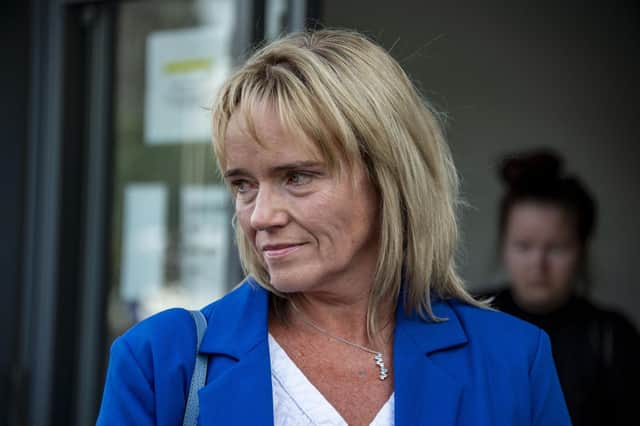
There has been a lot of disinformation and misconceptions about this tribunal and, in a social media age, these can spread like wildfire. It is more important than ever to turn to trusted news brands to hear the truth. We were the ones on the ground watching it unfold in real time.
There are benefits to social media in journalism. Getting to hear directly from the readers can be invaluable, but it can be difficult when what they have to say is bordering on cruel.
READ MORE: Nurse Sandie Peggie names 13 colleagues she says agreed with her in trans changing room dispute
Over the past fortnight or so there has been negative commentary online about the various witnesses and the barristers working on this case, the majority of whom are female and just trying to do their job.
These comments ranged from criticisms about their appearance to questioning the legitimacy of their qualifications. The journalists have not been spared from this either.
I really hoped that in 2025 we had moved past belittling women online in this way. This tribunal does seem to have brought out the worst in some people, so on that point I am quite glad it is all coming to an end.
The tribunal will resume for oral closing statements on September 1.
Comments
Want to join the conversation? Please or to comment on this article.