
Let's listen to the BBC and not get carried away with Reform UK's success in Scottish polls
Reform UK have peaked too soon in Scotland, writes Adam Morris
You may have noticed whenever the BBC reports on the findings of a voter survey, they do so with this caveat - we must remember it is only one poll.
They do this from a combination of impartiality paranoia, and the simple fact a solitary poll does not always tell the whole story.
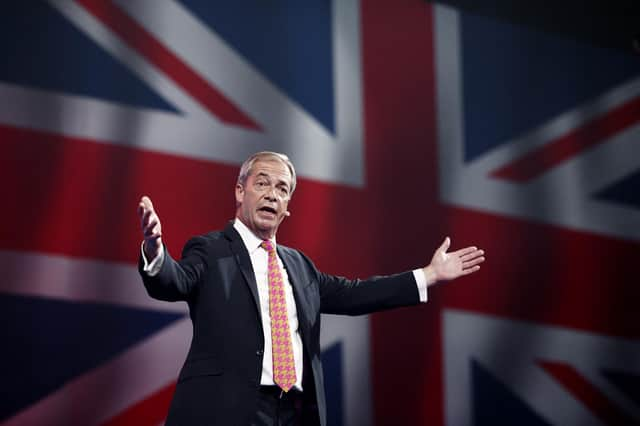

Reform UK have shown up well in a few polls, most recently last week’s Survation exercise, which forecast them winning 14 seats at the next Scottish Parliament election. But Auntie’s caution on individual studies should also be applied to Reform’s apparent rich vein of form across the past few months.
There are serious obstacles which stand between Nigel Farage’s party and a decent Holyrood result in May 2026. Much of the commentary focuses on their popularity being turbo-charged by 16 to 24-year-olds and those living in Scotland’s most deprived communities.
These cohorts happen to be those least likely to turn up at a polling station when it really matters. Happy to make plenty of noise on social media, but remiss when it comes to making their own way to the ballot box.
The quality of candidates is also going to be an issue. Even the established parties struggle to properly vet and ensure representatives are of the highest quality.
Reform have no operation or structure, and won’t be able to guarantee those putting themselves forward are remotely fit and proper.
Scotland’s journalists are already rubbing their hands at the prospect of unmasking whatever unsavoury individuals emerge, doubtless aided by a checkered and undeleted social media history.
Reform bosses may not think it matters, and that a “paper candidate” – even a discredited one - can still succeed, especially when riding a national tide.
But that underestimates the Scottish electorate, who take their Holyrood elections seriously, and will challenge a local candidate at hustings, on the doorstep and study their interventions in local media.
In a tight vote, a good candidate can get you over the line every bit as much as a charlatan can lose it.
And while they’ve made a lot of noise about defections down south, the truth is Reform’s bid to turn Tories north of the Border has failed miserably.
Aside from Thomas Kerr, the affable and fuzzy Glaswegian with a genuine back-story, other councillor recruits are barely known outside their own town hall canteen.
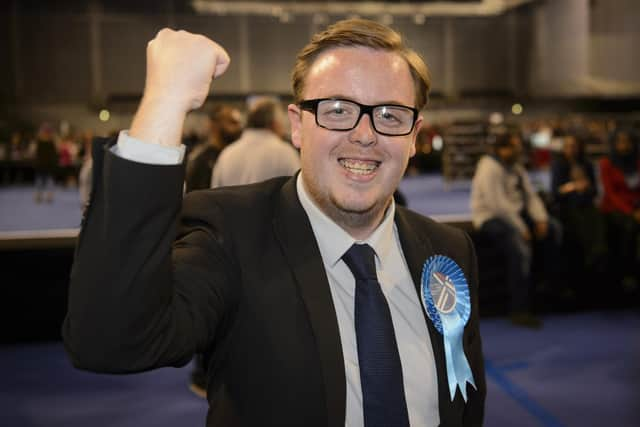
They have tried and failed to recruit from the Scottish Conservatives’ MSP group, and numerous councillors – though half-tempted – have rejected their advances.
Reform’s plan to peel off swathes of Tories in Scotland foundered because they underestimated the deep-rooted loyalty of Scottish Conservative members. This is a tight-knit group who have occupied the trenches for some time and been through worse than this.
This, and the oddity of being a “Scottish” Conservative, means their bond to the party is far more secure than for their counterparts in the rest of the UK.
Last week’s polling, which was commissioned by PR firm Quantum Communications, measures how people feel in the here and now. That will be different once Scotland undergoes a bruising and intense three-month campaign.
Televised debates, of which there will be a few, are increasingly influential, and Reform – according to broadcasting rules – ought not to get a place on the panel.
With no proper operation, they will struggle to embark on the “ground war” that involves delivering leaflets, knocking on doors and canvassing – an invaluable tactic that tells you where you need to concentrate local resources.
Their only power will be social media, and nobody is quite sure – in the Scottish context at least – how that translates into hard votes. But Reform’s problems aren’t just in Scotland.
They are immersed in a grave civil war, pitting their two biggest figures – Farage and MP Rupert Lowe – against each other in a fight that shows no sign of abating. It is getting messy and before long the Scottish ranks will have to choose who they’re siding with.
The Scottish branch is also due a squabble of its own on leadership and the coveted list rankings for the next election. And with no figurehead nor corporate structure to manage it, this will be another shambolic episode that could demoralise the troops and roil the electorate.
Reform have managed to stay out of the independence debate, partly because their nascence has coincided with it being off the agenda. However, with that same poll showing the SNP in a strong lead, and the prospect of a pro-independence majority in Holyrood, Reform will be forced to take a position.
That will be tough in a party that has so many who have voiced their support for Britain’s break-up.
Even if they do take a firm view, will the English mothership of Reform care?
The Conservatives, Labour and the Liberal Democrats have long been trenchant on the importance of the union. Does anyone really believe the likes of Farage and Lowe are equally staunch?
Some fear they would grant the SNP a second independence referendum just to get the Nationalists off their case. And this is before we get into where Reform stand on other devolved policy areas, all of which are under the spotlight in a Holyrood campaign.
We know they think net zero is “stupid”. But what’s their line on tuition fees, NHS waiting lists, school standards, transport, justice and rural affairs? Do they have any thoughts on the ferries crisis, devolved taxation or childcare provision?
They cannot dodge these matters for much longer, and it will become obvious to the public if they do not have costed and coherent policies in their manifesto; that is if they even produce one.
In the Holyrood context, Reform have peaked too soon. The amateurish, off-the-cuff approach that has got them this far will also be their undoing, and they will be lucky to return a single MSP next May.
They should enjoy the limelight while it lasts.
- Adam Morris is a former head of media for the Scottish Conservatives
Comments
Want to join the conversation? Please or to comment on this article.