
Communal dining has the chance to bring communities together

From tackling the loneliness epidemic to helping people with the cost-of-living, people should be open to the idea of public diners.
One of the best things about going on holiday is the food. I absolutely love trying new things whenever I am away from the office, whether it is a staycation or a trip abroad.
Last autumn I had a very unique lunch while on holiday in Turkey that has stayed in my mind.
My husband and I were staying in the town of Göreme and on our last day we went for lunch at a women’s cooperative after seeing rave reviews on TripAdvisor.
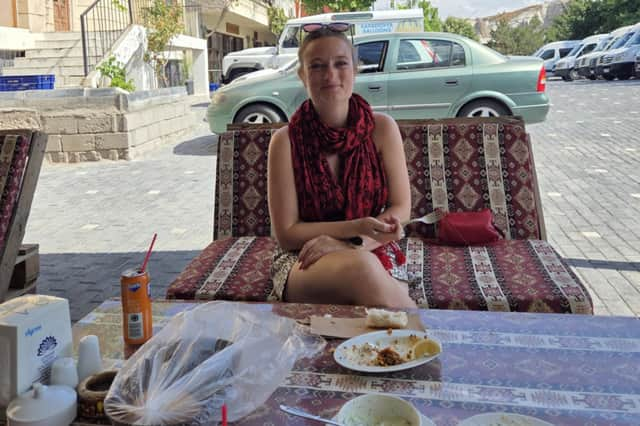

The whole point of this restaurant is to give women in the town the chance to work and earn money for themselves, as well as offering local, well-cooked food to eat.
The actual venue itself was pretty basic and reminded me more of a school camp canteen rather than a cafe or restaurant, but the food was incredible.
As a side note to this, one of the reasons I loved this place so much is because it was entirely run and staffed by women, and they defaulted automatically to speaking to me rather than my husband when we ordered our food (I do not think I have ever experienced that before).
While we were eating our food, women from the town would drop in sporadically and start prepping food for the dinner service. It felt like a tight-night, welcoming community that for a short time I was allowed to be a part of.
Now while this co-operative is not a public diner, it has similar vibes. It brings the community together while also offering nutritious food at sensible prices.
Public diners used to be commonplace in Scotland in the mid-20th century. These civic restaurants were state-funded and offered communal dining and good food.
Restaurants like these in Turkey is something the group Nourish Scotland is looking at for inspiration on how the idea can be revived in Scotland.
The group has an exhibition in the Scottish Parliament next week to try and win over MSPs about bringing the concept back.
The vision of offering state-subsidised diners is bringing people together, particularly in the era of single-person living and working from home.
It could help those who are “time poor” as well - think busy parents who do not have time to make a proper meal, or professionals who have to juggle long commutes to and from work.
Not only that, it can go some way to tackling the loneliness epidemic. Young people starting out in a new place, families with young children, those who live on their own, those struggling with their mental or physical health and the elderly could all benefit from communal dining.
When people first think of the concept of a public diner it automatically conjures up images of lines at food banks and soup kitchens. Undoubtedly being able to offer food for a reasonable amount of money would do wonders during the cost-of-living crisis.
However there is a wider vision on offer here, one where we are closer to our neighbours and sharing our time and our space.
The concept itself might not be for everyone, but I would really like to see people approaching the idea with an open mind and giving it a try if they ever get the opportunity. After all, my experience at the women’s cooperative in Turkey was unforgettable.
Comments
Want to join the conversation? Please or to comment on this article.