
Would over-stretched NHS respond any better to modern-day scandal like infected blood tragedy? – Scotsman comment

Being open and honest about difficult problems should be the first response of organisations like the National Health Service
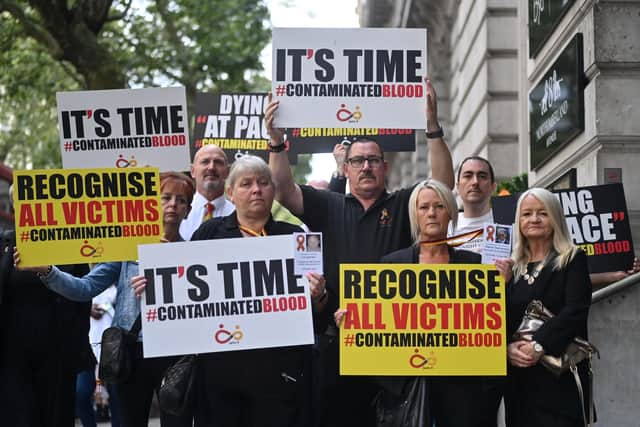
The National Health Service has saved countless lives. However, as the Infected Blood Inquiry lays out in chilling detail, it was also responsible for killing thousands of people. Some 30,000 patients were given blood products contaminated with HIV, hepatitis C and other serious conditions between 1970 and 1991.
For many, it was a death sentence, with a UK Government decision not to halt imports of commercial blood problems in 1983, after it was clear Aids could be transmitted by blood, highlighted as a crucial error.
It is difficult to comprehend how so many patients could have been infected over such a long period – the risks of contaminated blood had been known about since the 1940s – and why it is only now, decades later, that compensation is set to be paid.

Difficult problems will always emerge in any large organisation. What really matters is how they are dealt with. Many will wonder whether today’s over-stretched NHS is even more vulnerable to similar scandals. If they do occur, being open and honest must be everyone’s first response.
Comments
Want to join the conversation? Please or to comment on this article.