
'Still a child, expected to behave like an adult': Tales from frontline of Scotland's housing crisis
Two young Scots, ‘Rachel’ and ‘Sean’, describe how difficult it can be to get help with housing and the sometimes ‘devastating’ impact of turning 18 and being ‘abandoned’ by the system
A year ago, Scotland announced a housing emergency. As two people who have been caught up in this crisis, we know what it is like for those all over the country who are struggling to find housing or are at risk of homelessness.
We’ve both had experiences – good and bad – with systems designed to prevent or respond to this kind of emergency. When it was good, the person supporting us really tried to get to know who we were. When it was bad, we just felt like a number in a caseload.
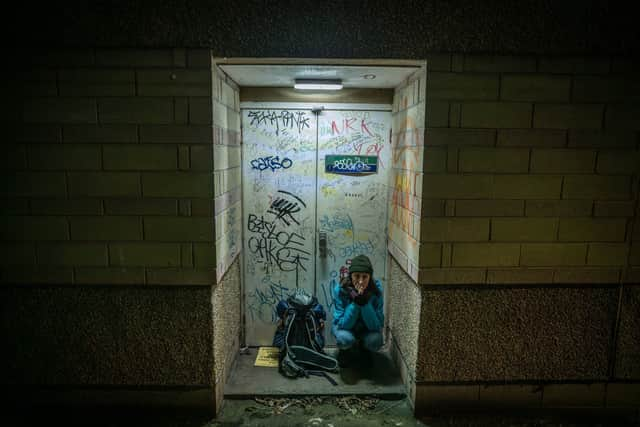
A few years ago, I, Sean, spent some time in hospital and, when I got out, I spent a few weeks in temporary accommodation. I was only 16, surrounded by adults in different rooms, who were taking drugs and shouting in the middle of the night.
I was still a child, recovering from being in hospital but was expected to behave like an adult – someone who knew how to register for a GP and navigate a system that many experienced adults find challenging.

Under the radar
I, Rachel, was still at school when I was struggling with my relationship with my family. But because I was quiet, I went under the radar. It was only when I went along to a local club and chatted with the staff there, that I felt able to leave home.
Before, I felt like I wasn’t in a position where I could ask for help, because I just didn’t realise I needed it.
We've had different experiences, but in both cases, we were let down because the systems are trained to see us as a collection of problems, not as people. This is especially important when working with young people who don’t know how to, or want to, ask for the help we need.
You don’t have to spend much time reading the news to know that everyone – from health workers and social workers to teachers – are really lacking money and time. When every other headline or story you hear is about waiting times for mental health support or schools not having enough teachers, it’s hard not to feel like a burden.
Trusting people again
The problem is, when aspects of your past have been difficult, the hardest thing to get back is being able to trust people again. It takes a while to open up to people and – once you do – you start to rely on them.
Lots of young people, who have either been in care or have a difficult relationship with their family, don’t have access to ‘normal’ relationships with adults. So, when a service you have come to rely on is cut or you turn 18 and are no longer eligible, it can feel devastating. Like you have been abandoned.
If we are to solve this problem, we can’t just build more housing. Without trust and supportive people in your life, young people are more at risk of homelessness in the future. Until we put the time and energy into those things, we will be in the same crisis for a long time.
Rachel and Sean, whose names have been changed, are part of the Catalyst for Change group run by young people through homelessness charity Cyrenians. It aims to improve services and raise awareness of youth homelessness and, ultimately, end it altogether
Comments
Want to join the conversation? Please or to comment on this article.