
Sixty years on, the work of the Disasters Emergency Committee has never been more important


Whilst the way humanitarian aid is delivered has changed hugely over the past six decades, the way the DEC fundraises is essentially the same
The Disasters Emergency Committee is today (Wednesday, 19 August) celebrating the 60th anniversary of its very first humanitarian appeal, for an earthquake in Turkey in 1966.
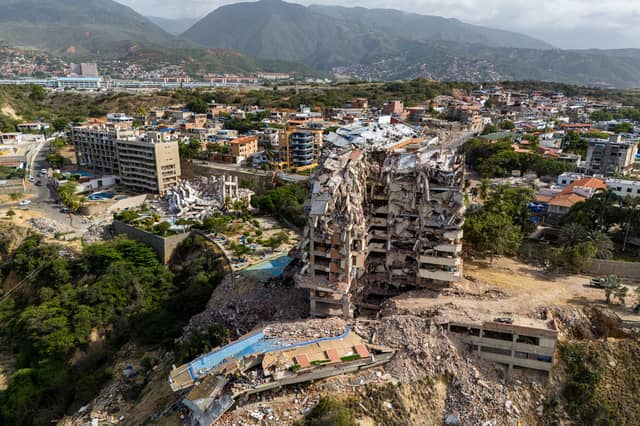
It coincides with another significant fundraising milestone as our efforts to respond to the recent devastating earthquakes in Venezuela. More than £2 million has now been donated to the Appeal in Scotland, over £20 million across the UK.
Whilst the way humanitarian aid is delivered has changed hugely over the past six decades, the way the DEC fundraises is essentially the same with the UK’s leading humanitarian charities working in partnership with the 5 major broadcasters to maximise public awareness of disasters and encourage the public to donate. The DEC was created in 1963 with 5 original members– the British Red Cross, Save the Children, Inter-Church Aid (now known as Christian Aid), the Oxford Committee for Famine Relief (now known as Oxfam) and War on Want.
More than 2,300 people were killed when a huge earthquake hit Varto in Eastern Turkey exactly 60 years ago today (19 August 1966), prompting the organisations to quickly come together to ask the public for their donations with the BBC and ITV televising the DEC’s first appeal. £560,000 was raised, equivalent to more than £10 million in today’s money. As in Venezuela right now, those funds allowed the DEC member charities to get medical aid, shelter, food and water to those affected, saving lives and helping the worst hit communities to recover.
Sixty years on the organisation has grown significantly, with 15 humanitarian charities now making up the Committee, which is also a registered charity. We also work with a number of media organisations like the Scotsman who help get our appeal messages out fast to readers as well as an increasing number of corporate partners in our Rapid Response Network, who either donate directly to appeals or encourage staff and customers to help.
Our appeals are also supported by the Scottish and UK Governments as well as community volunteers like Darren Burns from Thornhill, near Dumfries. Alongside his job with Dumfries and Galloway Council, Darren has helped us build closer relationships with councils across Scotland through COSLA.
“I volunteer with the DEC because I believe everyone has a role to play in supporting communities facing unimaginable hardship. Whilst I may be thousands of miles away from the crises themselves, helping to raise awareness and encourage support is a practical way of making a meaningful contribution.
“At a time when the world faces increased conflict and the increasingly threat of climate shocks, the DEC provides a trusted and effective way for my community and others across Scotland to stand in solidarity with those most in need.”

Our current response in Venezuela is the DEC’s 80th appeal – in total, all those appeals have raised more than £2.5 billion, which includes a remarkable £392 million for the South Asian tsunami on Boxing Day in 2004 and an equally inspiring £446 million in response to the ongoing conflict in Ukraine.
Whilst our key organising principles remain, the way our members charities now respond have changed significantly since the 1960s. Gone are the days of flying large quantities of supplies and staff from the UK - the focus now is to work alongside local organisations who are best placed to know what the affected populations need the most.
Increasingly, direct cash support is the most effective way to help the most vulnerable people, giving them greater choice, flexibility and dignity at a time when they have lost so much. It also helps restore independence, reduces long-term reliance on aid and allows families to return to normal life more quickly.
With record numbers of humanitarian workers now at risk as they carry out their life saving work, the DEC is supporting efforts to improve the safety and wellbeing of partner staff and their families.
Local organisations are leading the current relief efforts for the people of Venezuela, still reeling from the huge twin earthquakes that hit the Northern coastal area near the country’s capital Caracas two months ago.

The official number of people killed is over 6,300 people, but tens of thousands remain missing. Thousands more have been injured and need medical care, but many hospitals have been damaged and the country’s health systems are under extreme pressure.
Huge numbers of people are still sleeping in makeshift tents on the streets or in local parks – their homes destroyed or not safe enough for them to return. With critical infrastructure destroyed, the most urgent needs beyond safe shelter are food and clean water, not only hydration in hot weather but to maintain sanitation and hygiene to reduce the risk of contagious water borne disease. Women and children, so often in greater risk during emergencies are a priority.

Claudia works for the DEC charity World Vision and despite losing many friends in the earthquakes she says she’s had to put aside her anxiety and grief to remain effective in her role.
“I’ve had to embrace the survivors and weep with those who lost everything. It’s going to be a very long road to help people recover both practically and psychologically. But I’ve learned resilience from the past.”
The DEC wouldn’t have anything like its current impact without frontline workers like Claudia but equally none of their efforts would be possible without the compassion and solidarity shown consistently by people across Scotland. We’re hugely grateful for this unwavering support.
Our work has never been more important so we must continue to learn and adapt as we bring together organisations not only here in Scotland but in the disaster affected communities where we respond - to raise money quickly to deliver fast, effective and accountable humanitarian aid to communities affected by the world’s worst disasters.”
You can donate to the DEC Venezuela Earthquake Appeal at dec.org.uk
Comments
Want to join the conversation? Please or to comment on this article.