
Ramadan is not just about fasting, it's about empathising with the less fortunate
Throughout Ramadan, Muslims dedicate themselves to charity, reinforcing the spirit of generosity that the month embodies
As we embrace the holy month of Ramadan, I am filled with gratitude and reflection. This period is a time for spiritual renewal, self-discipline, and devotion to faith. As a politician who celebrates Ramadan and the Scottish Labour’s spokesperson for culture, Europe, and international development, I see this month as an opportunity to highlight the values of unity, compassion, and service to others.
Ramadan, the ninth month of the Islamic lunar calendar, marks the first revelation of the Qur’an to the Prophet Muhammad. Muslims worldwide fast from dawn until sunset, engaging in prayer, reflection, and acts of kindness.
Fasting, or Sawm, is one of the Five Pillars of Islam, teaching patience, self-restraint, and gratitude. However, it is not obligatory for children, the elderly, those with health conditions, or travellers, reflecting Islam’s emphasis on compassion.
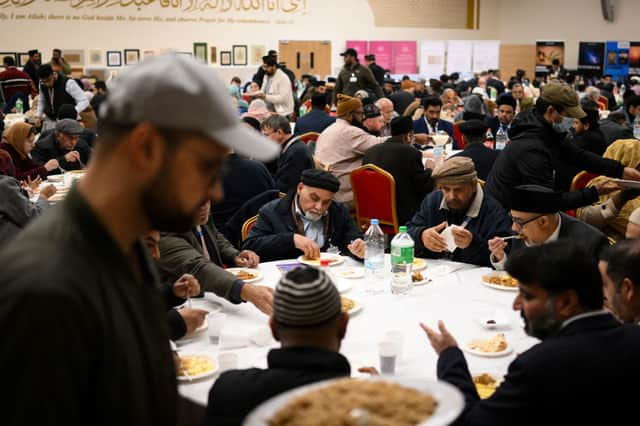

Each evening, families and communities gather to break their fast with iftar, beginning with dates and water. Throughout the month, Muslims dedicate themselves to charity, engaging in Zakat – another pillar of Islam – by supporting those in need, reinforcing the spirit of generosity that Ramadan embodies.
Amid rising anti-Muslim hate incidents, communities worldwide are fostering unity. In London, Piccadilly Circus has been illuminated for the third consecutive year with 30,000 LED bulbs forming Islamic geometric patterns, symbolising hope and inclusivity. Such public displays celebrate cultural heritage and serve as beacons of solidarity against division and hate.
READ MORE: Eid Fireworks 2025: When are they traditionally set off, at what time, FCZs, and what's the law?
In Edinburgh, Ramadan is a deeply meaningful time for the Muslim community. Mosques mark the month based on the sighting of the moon, and organisations such as Islamic Relief UK host events bringing people together in worship and charity. Community iftars, special prayers, and charity drives create an atmosphere of warmth and solidarity.
Notable events include the International Women’s Day Iftar, highlighting women’s roles in our communities, and the Greater Sylhet Development and Welfare Council’s Iftar, celebrating British Bangladeshi contributions. Inclusive initiatives like Scotswood Garden’s Iftar and the Building Bridges Iftar provide opportunities for spiritual rejuvenation and community connection.
Ramadan is also an opportunity to foster inclusivity in workplaces and public spaces. NHS employers and Unison provide guidance on supporting fasting employees, ensuring understanding environments.
At the Scottish Parliament, inclusive space is fostered where all faiths are respected. Small gestures, such as greeting Muslim colleagues with "Ramadan Mubarak," make a difference in fostering respect.
One of the central themes of Ramadan is gratitude. Fasting teaches us to appreciate our blessings and empathise with those who are less fortunate. It is a reminder to give thanks for our families, our communities, and the opportunities we have to contribute positively to society.
At the end of Ramadan, Muslims worldwide celebrate Eid ul-Fitr, the Festival of Breaking the Fast, marked by communal prayers, feasting, and the giving of gifts. It is a time to reflect on the lessons learnt and carry forward values of compassion and generosity.
Ramadan is not just about fasting; it is about giving, understanding, and unity. As we navigate an increasingly complex world, celebrating diversity and fostering inclusivity is more important than ever. By embracing Ramadan’s values – compassion, gratitude, and service – we can build a more just and united society.
To everyone observing, Ramadan Mubarak!
Foysol Choudhury is a Scottish Labour MSP for Lothian
Comments
Want to join the conversation? Please or to comment on this article.