
Ministers must consider boldest of steps to save Fife Ethylene Plant at Mossmorran from closure
Oil and gas-related industries are contracting at a rate which far surpasses the creation of jobs in renewable energy and associated low-carbon technologies

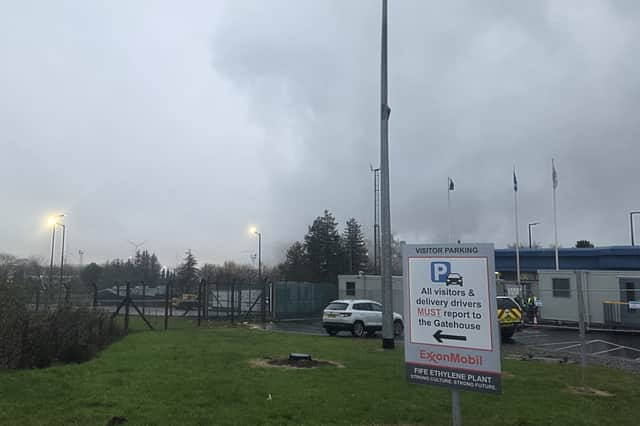
The announcement by energy giant ExxonMobil that it plans to close the Fife Ethylene Plant at Mossmorran – putting more than 400 jobs at risk – is another major blow to one of Scotland’s most important industries following the demise of the Grangemouth oil refinery with the loss of a similar number of jobs.
The company blamed a number of factors, including “the UK’s current economic and policy environment” along with “market conditions, high supply costs and plant efficiency”.
Unless a rescue package can be arranged for the plastics plant, the people who lose their jobs in February will clearly suffer the most, but the knock-on effects will also damage the economy in the surrounding areas and reduce tax revenues.

It is further evidence that oil and gas-related industries are contracting at a rate which far surpasses the creation of jobs in renewable energy and associated low-carbon technologies.
To those on the frontline, talk of a ‘just transition’ appears increasingly empty. Robert Deavy, of the GMB Scotland union, said: “How much more bad news is needed before ministers protect jobs and our country’s energy security? How many dominoes have to fall?
“Our members do not need more politicians wringing their hands or making more speeches promising just transitions. There is nothing just about what is going on and there is no transition.”
Last month, a report warned that oil and gas jobs could decline by 20 to 50 per cent in the next five years, a prospect that we said should be treated as tantamount to a national emergency.
Rather than seeking to apportion blame, the Scottish and UK governments should be urgently working together to respond to this looming emergency. They should be prepared to consider the boldest of steps, including nationalising the firm temporarily in the hope that a buyer can be found.
This matters for all the reasons stated above but also to the fight against climate change. If we lose revenues from oil-related industries too soon, it will make investing in the new infrastructure required to reach net zero, funding retraining programmes for North Sea workers, and adapting to increasingly extreme weather even harder than these vital measures already are.
Comments
Want to join the conversation? Please or to comment on this article.