
Is the Church of Scotland 'circling the wagons' as it tries to balance its books?

With the Kirk’s finances at ‘tipping point’, what will be the long-term cost of short-term savings?
More than a quarter century has passed since the Church of Scotland resolved to embark on one of the biggest property projects in its history, yet even now, the fruits of that ambition - a boutique hotel overlooking the Sea of Galilee - is a little-known curiosity.
When the General Assembly rubber stamped the plans for the hotel in 1999, significant hurdles had to be overcome. Some senior figures believed it to be too risky, and attempted to withhold funds, while others said it was not the church’s place to be running a hotel, let alone a luxury bolthole in northern Israel.
At the cusp of the millennium, was there a little hubris in play? Perhaps, but even so, the plans were approved, not least thanks to the arguments of Palestinian Christian delegates, who urged the church to bolster its presence in the region.
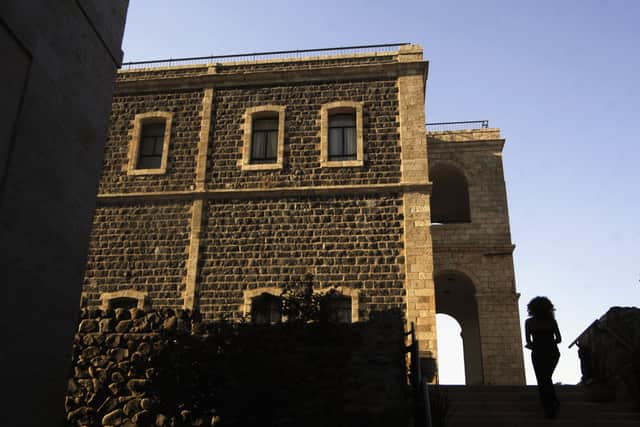

Come the hotel’s official opening in 2004, the symbolism of the project was clear to see. Representatives of Muslim and Jewish community groups were among those in attendance. So too was Rev Alan Grieg, the then convenor of the church’s board of world mission, who perhaps best defined the project’s purpose. It was, he said, a place where “Jew and Arab can meet together and share in peace-building dialogue.”
Some might say the blood that has been shed since exposes the naivety of that idea. Others, no doubt, will regard it an ambition worth pursuing now more than ever..
After a troubled start, the Tiberias hotel went on to turn in healthy six figure annual profits, but the escalation of the conflict in the Middle East has been disastrous, leaving the church stuck between a rock and a hard place. As I reported earlier this week, its assembly trustees are now examining plans to lease the property.
The strain exerted by the Kirk’s Israel-based interests is laid bare in its accounts. As of last year, it had provided loans totalling more than £9.1 million to St Andrews Galilee Ltd, the corporate entity behind the hotel. Under the terms of the loan agreement, which runs until 2058, the subsidiary is charged interest of 3.9 per cent. But due to the ongoing conflict, no loan repayments were made at all last year. With no end in sight to the unrest, the prospect of that temporary arrangement becoming a long-term one may well have influenced the trustees.
The church’s other concerns in Israel are also in the red: the firm behind a church-owned guesthouse in Jerusalem incurred net losses of more than £300,000 last year; while Tabeetha School, an educational institution in Tel Aviv, where the pupils speak Hebrew, Arabic, English and other languages, posted net losses of more than £150,000.
Such losses are simply not sustainable for a church under increasing pressure to balance its books. Only this May, the assembly trustees warned that the church was at a “tipping point” in terms of its financial viability.
The upshot is a church which risks diminishing its global presence in an effort to break even. One Kirk source I spoke with this week said it was “circling the wagons in Scotland” and expressed concern about the potential long-term cost of short term savings. They are surely not alone.
Comments
Want to join the conversation? Please or to comment on this article.