
How Labour-SNP row over national insurance risks creating spate of tragedies across Scotland

Scotland’s councillors look set to have to make yet more difficult decisions about public services amid a row over who should fund the increase in employers’ national insurance contributions
Who would be a councillor? If politics is showbiz for the less than physically perfect, councillors are the hard-working, underpaid, unheralded and sometimes ill-treated players without whom the show would simply not go on.
They run many much-valued public services, from education and social care to public parks and fixing potholes. However, despite this, they have been put in an unenviable position for years, forced to make sometimes heart-breaking cuts to local services because of what’s become known as “SNP austerity” – the Scottish Government’s habit of keeping more than its fair share of Westminster funding.
Now, that financial pressure is set to increase because of an unseemly spat between Holyrood and Westminster over the increase in employers’ national insurance contributions, which obviously means council wage bills will rise.

Almost-impossible decisions
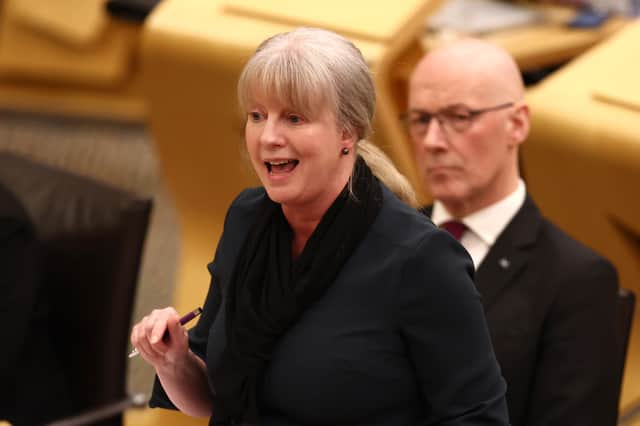
The Scottish Government plans to cover about 60 per cent of the cost, with Local Government Secretary Shona Robison arguing it’s up to Westminster to make up the rest. However, the UK Government insists it is Holyrood’s responsibility, not unreasonably pointing out that Scotland already receives over 20 per cent more funding per person than south of the Border and also that this year’s block grant was a record sum.
And so, once again, Scotland’s hard-pressed councillors find themselves between a rock and a hard place, contemplating decisions that range from the difficult to the almost-impossible over where the cuts will fall or how high they can raise council taxes.
Given all involved are part of the public sector, there really should be a formula that ensures the costs of such national insurance rises are covered by one government or another, with no scope for arguments. No one else is going to find the money and it has to come from somewhere.
Struggling private business may suggest councils will just have to cut their cloth, as they do, but the problem is that, after years of under-funding, there’s little slack left in the system. If life as a councillor turns into little more than taking the blame for managed decline, Scotland may struggle to find people willing to do the job.
And that would be a tragedy worthy of Shakespeare.
Comments
Want to join the conversation? Please or to comment on this article.