
How building up oil and gas reserves could create jobs and protect against cost-of-living crises
Building up reserves of oil and gas would mean that, in an emergency, UK markets could access supplies at a fixed, lower price
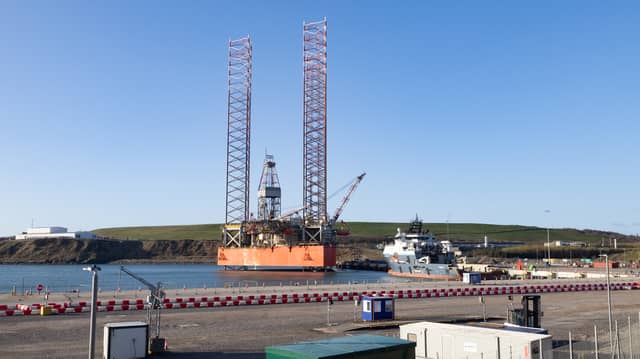

The conflict in the Gulf, the closure of the Strait of Hormuz, and the impact of these events on oil and gas prices has thrown into sharp relief the issue of energy security in the UK.
If the centre of global oil and gas production continues to be subject to increasing political instability, what can we do to protect the UK from future shocks to energy markets? This is an important question as we continue to consider how we best make the transition to a greater focus on renewables.
It is why it is vital that, as we embrace that ambition for growth in green energies, we also recognise the continued role North Sea oil and gas will play in the decades to come. This is true not only for security of supply, but for recruitment of the skilled energy workforce we will need if we are to be a world leader in renewables.
Dramatic declines in oil and gas jobs
In the midst of the debate over the balance of taxation policy for oil and gas and the scope for future production in the North Sea, it must be recognised that the days of peak production are long gone. We have seen a decline in jobs and production over the past two decades and production is now at around 20 per cent of its 2000 level.
However, the sector is still a major and vital employer within our energy industries. There are over 128,400 offshore energy jobs in Scotland and around 110,000 of those jobs are in offshore oil and gas. Across the UK, there are more than 240,000 jobs in offshore energy, including 180,000 in offshore oil and gas.
On our current trajectory, the fossil fuel workforce risks falling to between 57,000 and 71,000 by the early 2030s. That not only impacts this workforce and their local communities, but our readiness to capitalise on the potential the UK has to be a world leader in renewables too.
More than 90 per cent of people working in oil and gas and its supply chain already have skills that are directly transferable to offshore wind, carbon capture and hydrogen. Retaining this workforce is critical to delivering the transition at pace.
Analysis by Offshore Energies UK and Robert Gordon University shows that if UK offshore oil and gas activity falls faster than low-carbon projects scale up, tens of thousands of good jobs are at risk – with skills lost to other countries and sectors. That makes the transition slower and more expensive.
From subsea engineering and construction to fabrication and grid upgrades, increasing recruitment in oil and gas means developing the workforce our whole energy sector will need in the decades to come.
The right tax policies
A reduction in employment in oil and gas is not inevitable. Offshore Energies UK estimates that, with the right policy context, the number of jobs in the sector could grow to more than 210,000 by 2030 rather than shrink.
It’s vital that government and the sector work together to develop the right policy mix on taxation and extraction – for a skilled energies workforce, for UK energy security, and to protect consumers.
The UK Government has had to act with £50 million to support lower income household who rely on heating oil. And in the Scottish election, Anas Sarwar has pledged a Scottish Labour government would provide £100m if volatility in oil and gas prices continues, providing crisis loans for energy-intensive businesses to protect jobs and emergency support for households which are struggling.
It is vital government acts in these crises, but what if we could prepare better for the future? Could an agreement be reached between government and industry to allow increased extraction, within limits, if its purpose was to create a sufficient reserve against future shocks – and provide North Sea oil and gas to UK markets for a lower price in the event of a crisis?
A binding agreement for increased production for this specific purpose, meaning UK markets could access a fixed, lower price for oil and gas in an emergency situation, would provide much-needed stability for businesses and support for domestic consumers. It would mean that currently untapped resources in the North Sea would be extracted, which would also bring the benefit of new opportunities for employment and training in our energy sector, while requiring an assessment of compatibility against overall UK emissions targets.
Consideration of climate targets
At a time of increasing imports of oil products and gas into the UK, it is right to look to the future of production in the North Sea and recognise its continuing importance. It is also right to think about the role of production here, within a regulatory regime which considers the impact against overall climate targets in comparison with oil and gas production elsewhere in the world and imports of liquified natural gas.
I see in my own constituency the potential of renewables for future growth and employment, from community benefit at the Earlseat windfarm supporting green apprenticeships, to the ambition for the Methil yard to play a growing role in renewables fabrication. I also know how many of our local energy workers have developed their skills within oil and gas; the very skills we will need for renewables in the future.
As we look to continue to increase generation through renewables, it is vital we recognise the role the North Sea will continue to play for many years to come in both our energy security and developing the skilled workforce we need to realise all our ambitions for the UK to be a green energy powerhouse in the future.
Richard Baker is the Labour MP for Glenrothes and Mid Fife
Comments
Want to join the conversation? Please or to comment on this article.