
Edinburgh Festival Fringe: How its true spirit is being kept alive in backroom bars
The cost of performing at the Edinburgh Festival Fringe is prompting some artists to return to its roots
The integrity of what was once a platform for experimental artists on the ‘fringes’ of the professional arts world is now increasingly being compromised by commercialisation and upward pressures on budgets amid the broader cost-of-living crisis.
The artists who flock to take part in the Edinburgh Festival Fringe as they chase their big break draw floods of tourists into the city, fuelling Edinburgh’s economy. But who really benefits? Certainly not many performers.
Just breaking even through ticket sales is becoming increasingly unfeasible at the major venues. Their ‘pay-to-play’ model leaves artists covering increasing year-on-year overheads – like venue hire, equipment, marketing, sound and lighting – while registration fees are set to go up by at least 10 per cent from 2027 to balance rising service costs and keep pace with inflation.

Creative freedom and financial control
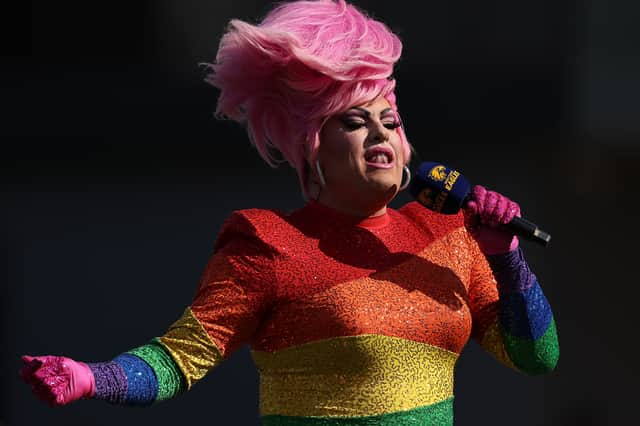
However, the true Fringe spirit can still be found – not in the glossy tents, but in makeshift bars and backrooms of ‘Free Fringe’ venues. Artists like Dean Misdale, an award-winning cabaret performer from Australia, are part of a growing wave choosing creative freedom and financial control over the perceived prestige associated with well-established venues.
After a decade touring internationally, Dean returned to Edinburgh this year with ‘Priscillified’, a solo cabaret that blends autobiography and comedy, staged in a Free Fringe venue rather than a corporate-branded tent.
“After winning Best Cabaret at Perth Fringe, I looked at applying to the bigger venues in Edinburgh,” Dean explains. “But the costs were just too high.” Unlike the major venues, Free Fringe shows typically don’t charge excessive upfront ticket prices, relying instead on post-show voluntary contributions. “You just pay a small registration fee and the venue makes their money over the bar,” Dean says.
‘Raw, intimate’
This model comes with risks too. Financial uncertainty and limited tech support put pressure on performers to host a good show without the bells and whistles provided by the bigger venues.
“I’m pressing play on my own music,” Dean says. “But that's part of the Fringe charm. It’s raw. It’s intimate. For my kind of autobiographical show, that’s perfect.”
For artists like him, it often pays off financially too. On one recent night, a 60-person crowd brought in £415 through a mix of entry fees and tips – mostly cash in hand. If that were repeated nightly, it would total around £10,375 over the course of the festival – enough to cover the initial £5,000 upfront costs of travel and production.
Of course, not every night draws a packed house but the potential for high-reward evenings makes the gamble worth it.
The Free Fringe is also known for cutting through some of the noise associated with advertising. Audiences want it cheap and so, in effect, the advertising takes care of itself. “There’s not a lot of drag in the Free Fringe, so people are curious,” Dean says. “When they have low expectations and you knock it out of the park – that’s magic.”
These benefits aside, there’s a philosophical element too, aligning to the original spirit of the Fringe, providing a cheaper alternative to festival-goers and connecting artists with audiences. Larger commercialised venues are certainly not the enemy. However choosing a less glamorous space with greater financial return appears like a choice worth making.
Alex Colalillo is an economist
Comments
Want to join the conversation? Please or to comment on this article.