
Come on in, the water's lovely
Kirsty McArthur says the case for expanding Scotland’s bathing water network is persuasive
However, it is important to note that not all bodies of water are officially recognised as bathing waters under Scottish law. Of those that are, 87 per cent earned excellent or good classifications in 2025, and it’s clear this could be an opportunity for Scotland to develop its bathing waters into a new boost for local economies.
For landowners, communities and local authorities, the designation of new bathing waters offers more than just a public good. It is an opportunity to not only harness the value of these natural resources for tourism and local business, but also to ensure the protection of both public health and the environment.
What is bathing water?
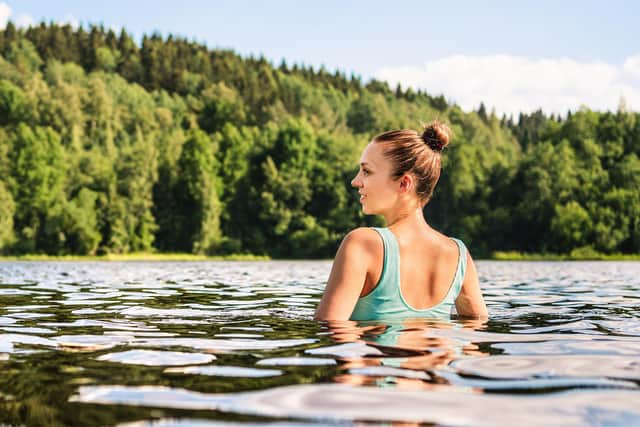

Under the Bathing Water (Scotland) Regulations 2008, a bathing water is an area of surface water – coastal or inland – that has been officially recognised by Scottish ministers as a popular swimming spot. These areas typically already attract regular use and have supporting infrastructure in place, such as toilets, car parks or lifeguard cover. Designation status is not just a label, it’s a commitment: to maintaining water quality, managing public access, and protecting the environment.
Who oversees bathing water?
The commitment is shared across a number of key stakeholders. Landowners, particularly where access to water runs across private land, may be involved in maintaining paths, providing facilities or helping manage waste and footfall. Local authorities also play a critical role in supporting infrastructure and submitting formal applications for designation. This is part of the important role of local authorities in supporting initiatives to boost local economies. Meanwhile, the Scottish Environment Protection Agency (SEPA) monitors water quality during the official bathing season (15 May-15 September) and classifies sites as Excellent, Good, Sufficient or Poor, based on four years of test results.
For landowners, the opportunity to support or apply for bathing water designation should not be overlooked. It can bring increased footfall to rural or under-visited areas, support local businesses such as cafes, accommodation or tour operators, and contribute to broader community wellbeing. At a time when more people are seeking meaningful, outdoor experiences, having a recognised, well-managed swimming location can be a real asset to locals and visitors alike.

Of course, designation also brings responsibilities. A site must be able to support increased public use, meaning appropriate parking, clear signage, accessible pathways, and in some cases, toilets or bins.
Ongoing coordination with SEPA and local authorities is also vital to maintain water quality and protect surrounding habitats. With the right support and infrastructure in place, these sites could offer safe, sustainable access to wild swimming for years to come. There is an abundance of opportunities to build destinations focused on the natural environment that can bring people from all over to appreciate and connect with the stunning landscapes of Scotland.
As interest in open water recreation grows, so too does the case for expanding Scotland’s bathing water network. By working together, landowners, councils, environmental bodies and local communities, there is an opportunity to create more spaces that are not only beautiful, but safe, sustainable, and ready to be enjoyed.
Kirsty McArthur is a Solicitor in MF Mac’s Real Estate team