
Barlinnie has the longest-running AA prison meeting in Europe - and it moved me to tears

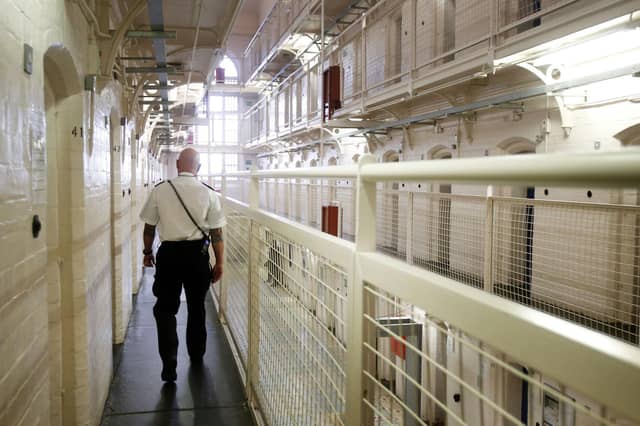

The revolving door of prison is the reality for many people struggling with addiction
I’m sure many people have wept in Barlinnie.
I remember, when I was a nurse in prison, hearing men in their cells utterly inconsolable after receiving their sentence - as the years, sometimes decades, stretched out ahead of them, with the weight of regret settling in.
Last Tuesday marked the celebration of Alcoholics Anonymous meetings in Barlinnie Prison - it’s been 65 years since they began. It’s now the longest-running AA prison meeting in Europe, I believe—a remarkable and quietly powerful legacy.
Barlinnie was built between 1882 and 1887, and I often wonder how many of the thousands who passed through its doors had alcohol standing beside them in the dock—as their silent co-accused, present at the scene long before the crime.
While we talk a great deal about drugs in Scotland—and rightly so—alcohol seems to get far less attention. It’s everywhere, yet largely unspoken. For many of us, it’s manageable—a glass of wine, a beer, and we stop. Some people have no interest in it at all. Among younger generations, many don’t even go to pubs or drink, preferring gyms and more wholesome pursuits, building different routines, different lives.
And yet, alcohol is the thread running through so many of the stories I hear in court. It’s the backdrop to lives and offences. It’s a factor in around 80 per cent of the violence I—and others—have spent a career trying to prevent.
Alcohol is not a mitigating factor. It’s not an excuse. In fact, it’s an aggravating one—making crimes more serious, not less. It distorts, escalates, and often destroys.
A central part of AA is ‘the share’—telling your story. And it was this that moved me, unashamedly, to tears. Men and women spoke of lives devastated by alcohol—relationships torn apart, children lost, violence, illness, and a life sentence served in instalments. The revolving door of prison is the reality for many people struggling with addiction.
One man, who had never spoken publicly before, told a story marked by deep harm—to himself and others. These stories are personal, his to tell—but in a room full of people serving time, you could have heard a pin drop.
So many in prison arrive with a fistful of needs, alongside the harm they’ve caused: brain injury, substance use, neglect—and all the rest that spills out of Pandora’s box. Many have never been able to sit in classrooms or engage in education. Yet they sat—still and listening—for two hours as people shared their descent into hell and their journeys back toward recovery.
There were men with their heads down—perhaps thinking of their own paths, of the children they don’t see, of the change they’re trying to make. They spoke of the fellowship of AA, of the evening meetings on the wings, of sponsors who walk beside them—inside and outside prison—helping them speak the truth and make amends, not just with words, but with actions.
What struck me most, what shifted my cold, dead heart to tears, was the hope. The recovery. The joy. The steady repair of lives. The dignity of holding down a job. The mornings without hangovers or cravings. And, above all, the simple, beautiful joy of living.
Karyn McCluskey is chief executive of Community Justice Scotland
Comments
Want to join the conversation? Please or to comment on this article.