
As BP looks to sell up, Labour must face reality and help struggling North Sea industry
The UK is going to need the North Sea oil and gas industry for years to come but it is currently facing a collapse in the style of 1980s coal mining
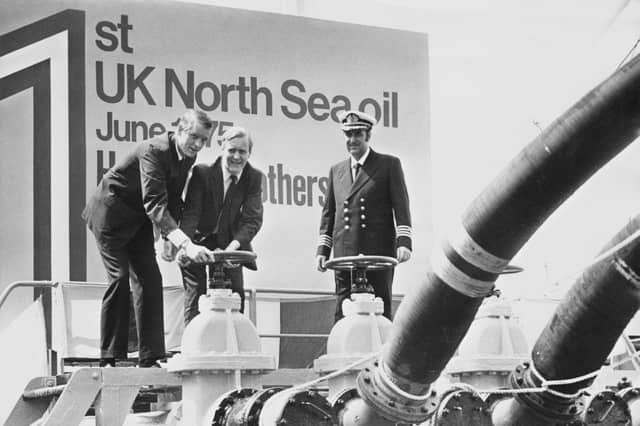


There is perhaps a Scotland in an alternative universe in which BP’s historic decision to sell off its North Sea oil and gas business is welcome news, a sign of progress.
In this theoretical world, humanity realised the risks of climate change decades ago and took swift action to reach net zero. As a result, demand for fossil fuels barely exists, with the remaining production mostly for pharmaceuticals, plastics and the like, and the lost jobs have been more than replaced by a massive offshore renewables sector.
However, this is not the world we live in. Demand for oil and gas remains high and, while this is the case, it must be met by sufficient supply. Millions of people still need to drive petrol cars to work and heat their homes with gas boilers.
And, at a time when the economy is lacklustre and government finances are under pressure, the country needs the jobs and tax revenues the North Sea delivers.
READ MORE: BP North Sea sell off branded a 'defining moment' amid calls for urgent windfall tax action
‘Punitive taxation’
Given this reality, BP’s decision to exit the field is deeply worrying – a warning of the worrying judgments companies are making about the economics of the North Sea. With job losses far outweighing those being created in renewables, the sector may be heading towards the dreaded ‘cliff edge’ – a 1980s coal-style collapse.
Labour must now recognise the industry needs a helping hand, the current heavy tax burden is making things worse, and the ‘windfall tax’ must be replaced by a fairer system. Criticising “punitive taxation”, Russell Borthwick, chief executive of Aberdeen and Grampian Chamber of Commerce, said: “How many more jobs need to be lost before the UK government acts?”
Collectively, humanity has chosen to allow global warming to reach nearly 1.5 degrees Celsius and, with greenhouse gas emissions still rising, it is likely to go well beyond 2C, with all the wildfires and other assorted troubles that this will bring.
This was a mistake. However, the only sensible course of action remains a managed transition, both in terms of emissions and the economy, and we are going to need North Sea oil and gas for years to come. This our real world and it’s the one we must inhabit.
Comments
Want to join the conversation? Please or to comment on this article.