
A shift from promises to policy could make or break Scotland’s food and drink sector
There are some obvious, high profile quick wins for the new Prime Minister and Chancellor
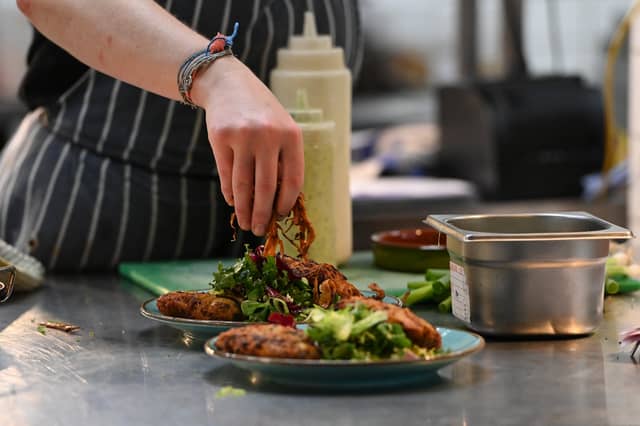

We’ve all read the headlines and watched the video clips on social media. The men and women at the coal face in Scotland’s food and drink sector are crying out for support as the industry battles its way through a prolonged period of economic uncertainty.
Our latest Scottish Parliament is a matter of months old and in Westminster we’ve welcomed the latest in a long line of new Prime Ministers and their accompanying cabinet. Now, more than ever, we have an opportunity for the people who can genuinely implement positive changes to shift from political promises to policy.
For decades, the overwhelming success of Scotland’s food and drink sector has arguably been overlooked. In my role as Head of Food & Drink at Henderson Loggie, I’ve witnessed a mood shift in recent months and years, but the sector is still often forced to cry out for support and recognition more than others.
For the new political leaders in Edinburgh and London, the data is stark and should be a wake-up call. Figures from the country’s official trade body – Scotland Food and Drink – reveal the industry, when you include the whole food and drink supply chain, supports more jobs than any other integrated sector in Scotland and contributes over £19 billion in economic value. Despite Brexit and multiple global conflicts, Scottish food and drink exports have shot up by a staggering 200 percent in the last decade.
Across the UK, there’s been a 40 percent increase in sales of Scottish brands. If the success of The Tartan Army in Boston is anything to go by, Brand Scotland is enjoying a high point and food and drink is the wind behind its sails.

Given all that success, it could be tempting to be complacent and hope for the best, but the industry is facing challenges that could genuinely put a hard brake on its long-term sustainable, successful future. Producers and exporters are continuously faced with increased regulatory burdens and spiralling cost pressures, not helped by the current geopolitical turmoil and endless inflationary pressures.
For the hospitality sector, the pressures are largely homegrown. Margins are increasingly thin, with estimates suggesting the typical net operating profit margin is currently as low as 3 percent – highlighting just how close to the wire many businesses are. In Glasgow, where I’m based, data from Savills reveals there were around 38 new food and drink venues that appeared on the city’s streets last year.
That’s a 10 percent increase on the previous year and the biggest annual total since the pre-Covid days of 2018. On the face of it, that news is incredibly positive, but it fails to take into the account how many companies are crying out for support at the moment, warning that, while there’s increasing demand from customers for Scottish food and drink and new hospitality venues, the cost and regulatory pressures are making their long-term viability seriously questionable.
Political leaders can and must act now. There are immediate steps that could and should be taken to help an industry whose success could make or break the wider Scottish and UK economies.
There are some obvious, high profile quick wins for the new Prime Minister and Chancellor. The recent rise in employer NIC contributions has added huge financial burdens on the food and drink sector – especially the hospitality industry. The increase came at the worst possible time, with rates reviews and energy price rises already hitting hard.
Former Chancellor Rachel Reeves announced plans for a temporary cut in VAT for eligible family attractions. This is a very welcome measure for a sector that plays a vital role in local economies, tourism and employment across the UK. Estimates suggest it will provide a multi-million pound boost to the venues impacted, helping many attractions to invest, create jobs and enhance the visitor experience. However, the announcement also raises a broader question about how fiscal support is targeted across the economy. While some sectors will benefit significantly from this intervention, many other businesses facing equally acute cost pressures remain outside its scope. In my view, this highlights the need for policymakers to consider more consistently the wide-ranging impact that taxation and financial support decisions can have across different industries.
Many in hospitality and wider food and drink are calling for a permanent cut in VAT. It’s a move that would provide significant relief to a sector that’s facing critical long-term challenges and you don’t need to look far to see how different policy interventions genuinely do help. In Ireland, restaurant and catering services pay 9 percent. In Germany, it’s 7 percent, while the bulk of food and drink related hospitality businesses, with some caveats, in France, Italy and Spain pay 10 percent.
The stark reality is that it’s unlikely right now. VAT generates substantial revenues for the Treasury, making any long-term reductions fiscally difficult. However, the temporary VAT reduction for eligible family attractions shows that targeted VAT interventions are possible where there is a clear economic rationale. The same approach should now be explored for the food and drink industry to help businesses weather current pressures and create the conditions for renewed growth.
The political colours may not have changed in Westminster and Holyrood, but the senior cabinet members shaping policy have in recent days, weeks and months and we can only hope that brings real change. In the meantime, the industry itself can take steps to address some of the chronic challenges. If you’re a business owner in the sector, my advice is to focus on what you can control. Become obsessed with your customers and your margins. Challenge legacy pricing and better understand your product profitability. Know which customers and channels are genuinely generating returns. Review your overheads regularly, challenge your supplier contracts and monitor labour efficiency and productivity. Address working capital issues like stock levels, debtor collections and future tax obligations. Automation can also help. Make the most of AI and new tech innovations, embracing opportunities to shift some of the time burdens from you by automating things like invoicing, reporting and stock management systems.
When you read about the myriad of challenges facing the industry, it’s hard to imagine who would decide to enter and lead such a difficult sector, but that’s exactly why we need to support Scotland’s food and drink producers, exporters and hospitality providers. In some of the toughest of times, they’ve chosen to innovate and expand – providing employment and significant economic output. The food and drink sector is now an integral part of the economy and its success or failure will impact everything from tax revenues to employment figures and even the future of our struggling High Streets. Now is the time for politicians to shift gear from promises to policy and help an industry that is at the heart of Scotland’s future success.
Matthew McDermott is Head of Food & Drink at Henderson Loggie
Comments
Want to join the conversation? Please or to comment on this article.