
Beyond a fleeting fetishisation – why country wear is more than just an aesthetic
Here, Mark Hogarth, Luxury Style Commentator and Global Brand Ambassador at Harris Tweed Hebrides, explores the history of the look and feel, and why choosing country wear is a quiet act of radicalism in a world that prioritises fast-fashion.
As fast-fashion continues to move at lightning speed, churning out fads and the next ‘must-have’ item that will quickly be forgotten down the back of the wardrobe, it’s easy to feel that British country wear is just another trend. A sentimental clinging to the past; a cutesy OOTD for a walk in the countryside – which couldn’t be further from the truth.
The enduring appeal of wax jackets, tweed coats, and hardy British knitwear jumpers isn’t a regressive impulse to revert to a time that no longer exists. It’s about quality; heritage; a connection to something tangible. These types of garments have dressed farmers, sailors, fishermen – designed to be worn for decades, not discarded after a season.
A brief history
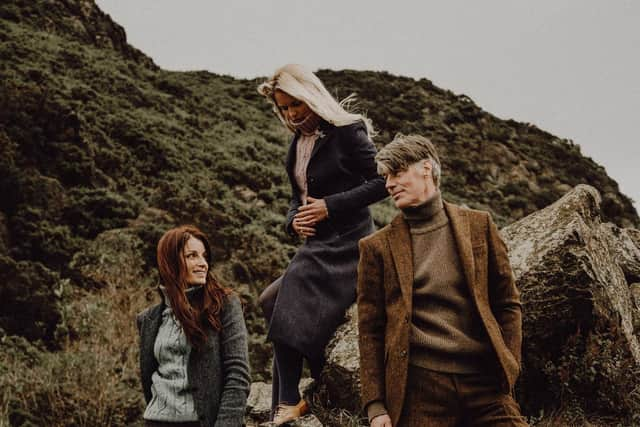

“In the 18th and 19th century, the romantics wrote poetry, prose, and created art that gave the countryside an idealistic allure when cities were becoming ‘dark’ and ‘satanic’ places following the industrial revolution,” explains Mark.
“As such, country style and its culture provides an idealistic distraction from the downside of the current world we find ourselves in – the modern, digital revolution. It can be easy to take this ‘idealism’ at face value and assign a superficial reading to it but ultimately, the countryside – and by extension, country wear – has always been seen as a retreat for us when we’re exhausted by the pace of modern life.”
Whilst the pressures we navigate have changed since the 18th and 19th century, the ‘cure’ for the stress we feel as a result has remained the same; a longing for simplicity, authenticity and durability.
Land and legacy
With this longing for simplicity and authenticity comes a need to feel connected to land and legacy. Historically, country wear has always had a practical purpose as it has traditionally dressed people whose lives depended on durability and function.
Mark said: “The modern ‘countryside’ look should be a balance of comfort and elegance, and that comfort is steeped in the functional nature that the clothing once held. Fishermen and farmers needed clothing made out of hardy fabrics like Harris Tweed and British wool because of the laborious work undertaken in them – but this also meant the clothing needed to be comfortable to wear for long periods of time.
“This naturally give today’s country wear look an anchor to something real and timeless, which is what gives it that reassuring feel. The clothing feels ‘lived in’ before you’ve even worn it.
“People continue to reach for classic countryside staples, not because they are stuck in the past or are trying to fetishise it, but because they offer something that feels real in a time when so much feels transient.”
Country style goes beyond a trend or fleeting ‘fetishisation’. There is an inherent element of sustainability, felt through the durability of the clothing.
Mark says: “Fashion trends have begun to evolve so quickly that they render themselves meaningless, and consumers have lost faith in this super-imposed narrative. Simply put: you just don’t wear a Barbour Jacket or a Harris Tweed coat for one season.”
Rather than seeing the resurgence of country wear as a trend, it should be celebrated for what it is – a commitment to craftsmanship in a world of synthetics, a connection to heritage in a world of fleeting moments, and a conscious decision to choose quality in a world that chooses convenience.