
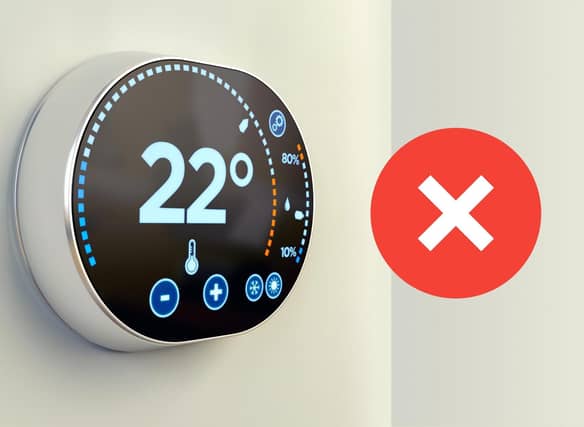


Households are preparing to tackle the new energy price cap that is expected to have a significant impact on bills.
While this news is understandably worrying, there are still plenty of measures that families can take to limit their energy consumption and save money.
For example, cash-strapped households can save hundreds of pounds this winter by just tweaking their boiler settings, all without a major loss in temperature, say experts.
For more targeted advice try Home Energy Scotland, a network of local advice centres which offers free and impartial energy saving advice, actively working to help reduce your bill costs.
Here are 10 expert-recommended ‘hacks’ for lowering power consumption and cutting costs amidst energy prices rising:
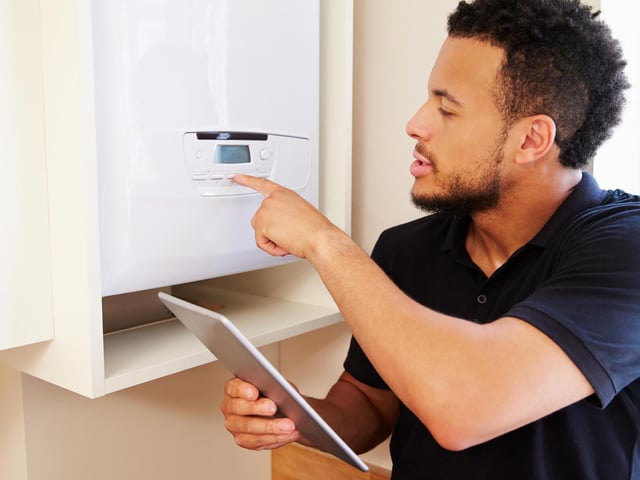
5. Turn down the flow temperature of your boiler
The flow temperature on your boiler controls how hot water is when it leaves the boiler to enter your radiator. Most are factory set to be around 80°C but this is not best for their efficiency. Lowering the flow temperature is not the same as lowering the thermostat: a boiler runs more efficiently from colder temperatures, it just may take longer to heat the house up. Jo Alsop of Heating Hub (a consumer advice centre), said that lowering the flow temperature could save households 6-8% on their annual gas consumption. Photo: Monkey Business Images
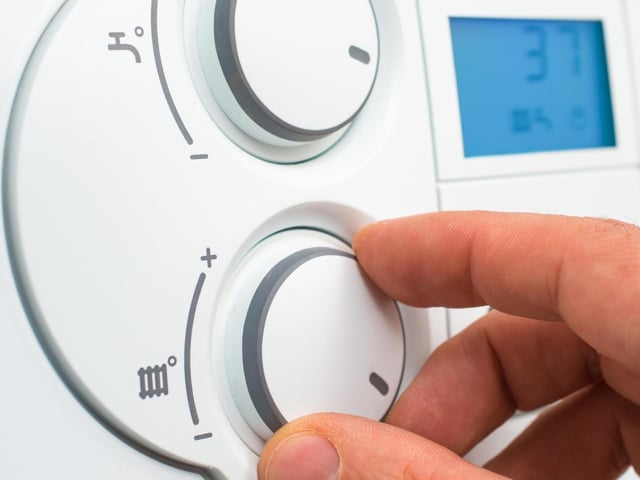
6. Switch off the preheat function of your boiler
The preheat function on boilers means it always keeps a small amount of water hot so it can be accessed immediately. This is convenient when you need hot water quickly, however it also means the boiler is unnecessarily consuming power to heat water even when it is not needed. Turning this function off may mean longer waits for occasions when you want warm water, however it can result in hundreds of pounds being saved. Photo: AlexRaths (Getty Images Pro)

7. Cook food in batches when possible
According to EDF Energy, a UK resident spends £175 on food each month, and USwitch estimates that the cost of cooking that food accounts for 4% of their annual energy expenditure. A study revealed that consumers could save up to £158 by ‘batch-cooking’ food with the right-sized pans, for example. Photo: FOX (Pexels)
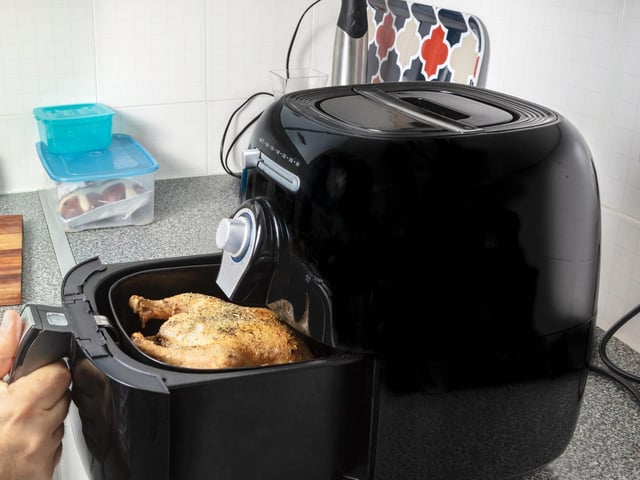
8. Use alternatives to microwaves, ovens and other conventional cooking appliances
A recent study by Utilita and Iceland supermarkets revealed the costs for running common kitchen appliances, highlighting those that are cheaper alternatives to conventional options. For example, an electric cooker costs £26.38 to use per month, a slow cooker costs £10.07 and an air fryer comes to £4.40. Depending on your eating preferences, these cheaper appliances could save you hundreds of pounds annually while delivering the same result. Photo: THEGIFT777 (Getty Images Signature)