
Ministers accused of undermining action on climate change by denying councils congestion charge powers
‘This is a massive betrayal by the Scottish Government’ - Cllr Chas Booth
The Scottish Government has been accused of undermining action on climate change after it effectively blocked councils from having the power to introduce congestion charging.
Transport Secretary Stephen Flynn said work on road-user charging powers had been halted because of “the ongoing financial pressures facing households”.
But Edinburgh Green transport spokesman Chas Booth said the decision denied councils the opportunity to raise millions of pounds for investment in sustainable travel.
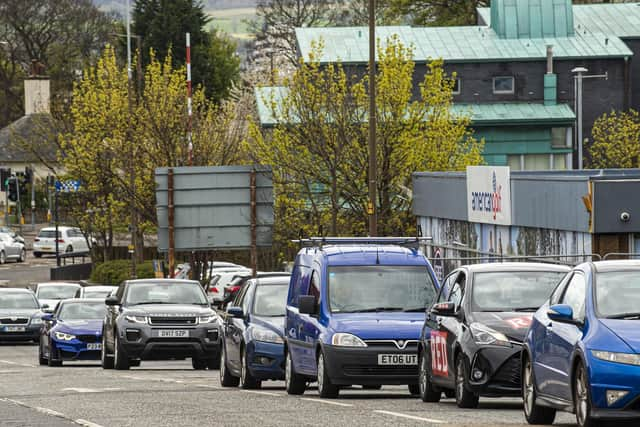

He said: "This is a massively damaging U-turn from the Scottish Government, which will make it impossible for councils to meet their own car reduction targets, and will undermine efforts to tackle the climate emergency.
“This is a massive betrayal by the Scottish Government, and they should be utterly ashamed. It's so clear where Stephen Flynn's vested interests lie.
"To make this announcement - which massively disempowers local authorities - at a time when the Scottish Government is launching a consultation on the future of local government massively undermines trust in that process, and suggests that the centralising tendencies of the SNP are as strong as ever."
Mr Booth raised the issue at Thursday’s full council meeting and Labour council leader Jane Meagher agreed with his criticism.
She said: “It astonishes me that the Programme for Government talks about increased devolution of powers and responsibilities to regions and then to cut off one potential avenue is absolutely absurd and contradictory.”
She said Edinburgh had to “do something significant” unless it wanted to end up with a “gridlocked city centre”.
Mr Flynn announced the controversial decision in answer to a written question in the parliament, saying no further work was being taken forward on a regulatory check of local road user charging powers.
The Transport Act (Scotland) 2001 does give councils powers to bring in congestion charging, but new secondary legislation relating to fines is needed to make it effective. It is understood this is what officials were working on.
Proposals for a £2-a-day congestion charge in Edinburgh were rejected in a referendum in 2005, but last year the council agreed it should have conversations with neighbouring local authorities and with Glasgow on the idea, although transport convener Stephen Jenkinson said in February this year that a congestion charge was “not something being actively pursued at this time”.
Green MSP Patrick Harvie branded the government’s decision to halt work on road-user charging “ludicrous” and said it must be reconsidered if Scotland was to succeed in reducing its transport emissions.
He said: “Road user charging has been proven to reduce the number of cars on the road and transport emissions. It is one of the key ways that the Scottish Government can tackle one of the biggest areas of pollution, and can generate investment in affordable public transport.
“[The decision] also flies in the face of the Scottish Government’s promises to give more powers to local government. Both Glasgow and Edinburgh councils have been asking for this, and instead the Transport Secretary has pulled the rug from under them.
“Stephen Flynn’s job description says he is responsible for reducing car miles and decarbonising transport. But he seems determined not only to avoid all responsibility nationally, but also to block action by local councils that want to take action for themselves.”
A Transport Scotland spokesperson said: "Given the ongoing pressures facing households, we will not be taking forward the review of the framework for local road user charging.
"We are committed to reducing transport emissions and providing alternatives to the car. That is why we have removed peak rail fares for good, are supporting free bus travel for 2.4 million people and will deliver a nationwide £2 bus fare cap by the end of this parliament.”
Comments
Want to join the conversation? Please or to comment on this article.