
Mass cattle cull in Fife will not be attended by inspectors after phone threats


The cull could be one of the largest cattle slaughtering incidents of its kind in Scotland
Scottish government inspectors will not attend a mass cull of 271 cattle over registry failures after they received online and telephone threats.
Falkland Estate in Fife made the decision to slaughter the animals after it was told the cows could not enter the food chain having not been registered properly. Under livestock regulations, cattle must be properly identified and traceable to help prevent and control disease outbreaks.
Inspectors who were initially set to attend and verify the cull have decided against it after a number of people tried to call their office to track them down.
In an email to the estate seen by BBC Scotland, the Scottish government said it would verify the cull in ways "other than being present on site".
Inspectors said the decision to not attend had not been taken lightly. Staff at the estate have since expressed concern about their safety and about a lack of clarity about what information the government requires about the cull.
A Scottish government spokesperson said: "We do not comment on individual staffing matters.
"The safety of staff carrying out official duties is extremely important and we will take very seriously any threats or abuse towards them."
The cull involves herds of Belted Galloways and Aberdeen Angus at Home Farm, on the estate.
Ninian Stuart, chairman of Falkland Rural Enterprises Ltd, said: “We sincerely apologises to all those affected by this incident, including the impact on our cattle, staff and wider community.
“The welfare of both animals and people is central to everything we do. We are fully committed to resolving this situation with care and compassion.
“We ask that the privacy and wellbeing of our staff, their families and community be respected during this difficult time. We are grateful for the support we have received and will not be making any further comment while we focus on recovery.”
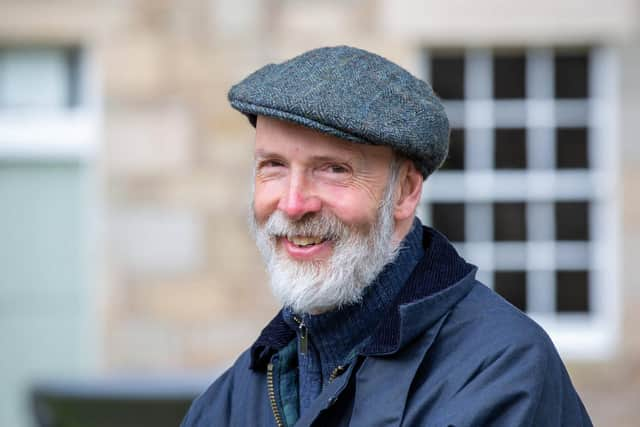
Last week, Mr Stuart said the team fully accepted responsibility for the failures in management and oversight of cattle paperwork.
He described the situation as “unprecedented and deeply distressing for everyone connected with Home Farm, Falkland Estate, and the wider local community.”
"We are devastated by this outcome,” he said.
“The loss of livestock on this scale is something none of us ever wanted to see, and we recognise the profound impact it has had on our staff, our neighbours and the wider community that has long supported the Estate.”
Farmers have to follow strict rules to make sure their cattle are both identifiable and trackable to help protect public health and limit the spread of disease. This includes all animals having to wear ear tags and be recorded on ScotEID, the national database used to monitor livestock.
It means officials can act quickly in the event of an outbreak to prevent spread.
When livestock is not registered properly, the animals are classed as non‑compliant and cannot enter the food chain. While culling is not the default response in all cases, the animals are put under strict movement regulations that prevent them from being moved or sold.
The Scottish Farmer reported that Falkland Estate is “not expected to receive compensation for the destroyed animals”, which could be worth up to £500,000.
Comments
Want to join the conversation? Please or to comment on this article.