
'Mad cow disease' case confirmed on Scottish farm

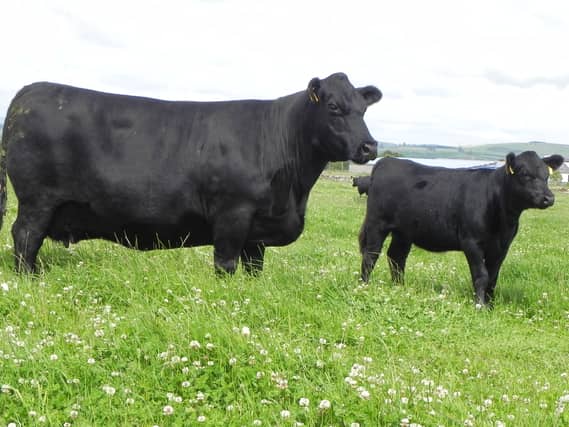

Restrictions have been put in place on the farm where it was detected
A case of Bovine Spongiform Encephalopathy (BSE), which is commonly known as mad cow disease, has been confirmed in Scotland.
The disease, which is is a fatal neurodegenerative disease, was found during routine surveillance on a farm in Dumfries and Galloway.
The disease can spread to humans if the contaminated meat is eaten.
The Scottish government confirmed the case during a routine check. Officials assured the animal concerned did not enter the food chain and there is no risk to humans from this new case.
Movement restrictions are in place on the offspring of the animal and its ‘cohort’ - animals born in the same herd or raised with the concerned animal and exposed to the same feed. They will put down as part of the legal requirements when dealing with the condition.
The latest case is believed to be the first detected in Scotland since 2024, which was also confirmed at a farm in Dumfries and Galloway.
The owners of the affected animals are working with authorities on next steps and an investigation has launched into the origin of the fresh case.
Agriculture Minister Jim Fairlie said: "Following confirmation of a case of classical BSE in Dumfries and Galloway, the Scottish government and other agencies acted swiftly and decisively to protect the agriculture sector.
"The fact we identified this isolated case so quickly is clear proof that our surveillance system for detecting this type of disease is working effectively.
"I want to thank the animal's owner for their diligence. Their swift action allowed us to identify and isolate the case immediately, minimising its impact on the wider industry."
The owners of the affected animals are working with authorities on next steps.
The Animal Plant and Health Agency (APHA) is investigating the source of the disease.
Under Scotland’s surveillance system all animals more than four years of age that die on farms are routinely tested for BSE.
Orkney and Shetland MP, Alistair Carmichael said:“It is to be hoped that this is a one-off case. I remember when the BSE crisis was at its height and we do not want to go back to those days again.
“At a time when we are already dealing with other animal diseases this shows the importance of high-quality surveillance and swift responses by government agencies. It reinforces the need to ensure that the Animal and Plant Health Agency is fully funded in its work.”
Andrew Connon, president of NFU Scotland, said: “While disappointing, and clearly a huge concern for the farmer involved, the identification of an isolated BSE case demonstrates that the stringent surveillance and control measures we have in place are working effectively.
“Our thoughts are first and foremost with the farmer affected. They will be doing everything they can to assist the veterinary authorities with their investigation, and NFU Scotland stands ready to support them in any way we can.
“We welcome the clear reassurance that the animal did not enter the human food chain and that there is no risk to human health.
“Scotland has robust measures in place to identify and deal with cases such as this, and the swift detection of this case shows those controls are doing their job.”
Comments
Want to join the conversation? Please or to comment on this article.