
Focus on 'homegrown' energy would help cut bills, says trade body

Promise of hundreds of billions in investment if government shifts away from imports
Sir Keir Starmer’s administration has been urged to put homegrown energy “at the heart” of the UK’s economic, security, and climate goals, with a leading trade body pointing to a potential £200 billion investment windfall.
Offshore Energies UK said a new national energy strategy that eschews imports in favour of home-produced energy would help protect British industry, cut bills, and meet crucial climate targets.
With the UK government currently drawing up a new industrial strategy, OEUK’s chief executive, David Whitehouse, warned that “decarbonisation must not mean deindustrialisation,” and said offshore energy firms were prepared to invest hundreds of billions of pounds this decade provided there is the “right investment climate” and “clear backing.”
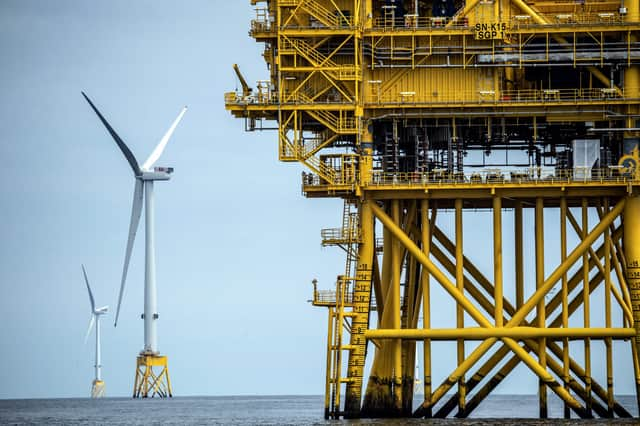

In what it describes as a blueprint for a “modern, industrial Britain powered by homegrown energy,” the trade body called on Labour to harness the “full potential” of the UK’s domestic energy resources, including oil and gas, and stressed that the North Sea was “uniquely placed” to support Britain’s energy future, with the second largest offshore wind capacity in the world, and the geology to store over 78 gigatons of carbon dioxide.
Ahead of the OEUK’s conference later this month, where it will scrutinise and discuss the key issues facing energy producers in the North Sea, Mr Whitehouse said it was vital that the UK government worked alongside industry, and called for a more “streamlined” regulatory landscape.
“If we want to build world-leading products, grow British business, and create thousands of high-quality jobs across the UK, then we must put homegrown energy at the heart of the nation’s economic, security and climate ambitions,” he said.

“Decarbonisation must not mean deindustrialisation. Output in our energy intensive industries is at a 35-year low, yet our North Sea has the capability to provide all the energy it needs now and in future. In a world where we should be protecting our sovereign capabilities, that is not good enough.
“Government and industry must work together to bring down energy costs while protecting the dividend that only home-produced energy can bring in terms of taxes paid, jobs supported, and value added to the economy. By choosing homegrown energy over imports, our plan shows a path where the UK can achieve its climate goals and grow the economy.”
OEUK said that a pivot towards home-produced energy would support UK supply chain firms as well as operators to developers to win new work in offshore wind, carbon capture and storage, and hydrogen projects, as well as oil and gas.
Such a strategy, it explained, would add an additional £150 billion of value to the UK economy and support 200,000 jobs through backing the “responsible production” of an additional three billion barrels of domestic oil and gas while meeting UK climate goals.
It added that the domestic energy prices in the UK are the highest among G7 nations, with nearly 40 per cent of energy imported. It said it planned to undertake further analysis later this year to understand how the country can better manage electricity and fuel prices to bring down costs.
Comments
Want to join the conversation? Please or to comment on this article.